Aleuritic Acid, with the CAS number 533-87-9, is a chemical compound widely used in laboratory settings for its versatility in organic synthesis. As a fundamental building block in chemistry, it plays a crucial role in the development of complex molecular structures through various chemical reactions. This compound is commonly employed in research to facilitate the construction of larger molecular frameworks, making it an essential component in both academic and industrial chemical laboratories. Its presence in Indonesian laboratories underscores its importance in advancing chemical research and innovation.
One of the key attributes that make Aleuritic Acid a preferred choice is its chemical stability and moderate reactivity. These properties allow it to participate effectively in a range of reactions, including esterification, reduction, and substitution reactions. Its predictable behavior under different reaction conditions ensures reliable results, which is vital for scientific accuracy. Additionally, its consistent performance across multiple experimental setups enhances its value for researchers seeking dependable chemical reagents.
In Indonesian laboratories, Aleuritic Acid is frequently utilized in diverse chemical research applications, including pharmaceutical development, industrial chemical production, and environmental studies. Its role in these areas highlights its significance in both educational and research institutions across the country. The compound’s ability to support complex chemical processes makes it a vital resource for advancing scientific knowledge and practical applications in the field of chemistry.
- Organic synthesis of complex molecules where Aleuritic Acid serves as a key intermediate due to its reactivity and structural versatility.
- Pharmaceutical research for the development of new drugs, leveraging its role in synthesizing bioactive compounds.
- Industrial chemical production processes that require stable and reactive building blocks for compound formation.
- Environmental studies involving the analysis and synthesis of organic compounds in ecological systems.
- Educational laboratories where Aleuritic Acid is used to teach fundamental chemical reactions and molecular construction techniques.
| Brand | TCI |
|---|---|
| CAS number | 533-87-9 |
| Molecular formula | — |
| Purity | — |
| Category | Chemistry > Building Blocks > Non-Heterocyclic Building Blocks |
| Pack sizes | Available in various quantities as per standard laboratory supply options |
| Physical form | Solid, typically in crystalline or powder form |
| Storage | Store in a cool, dry place away from direct sunlight and moisture |
Aleuritic Acid should be stored in a cool, dry environment to maintain its chemical stability and prevent degradation. It is recommended to use airtight containers to protect it from moisture and air exposure, which can affect its reactivity and purity. Due to its moderate reactivity, it should be handled with care in a well-ventilated area, avoiding direct contact with skin or inhalation of vapors. In laboratory settings, it is essential to follow standard safety protocols, such as wearing appropriate personal protective equipment, to ensure safe handling and storage. Proper labeling of containers and adherence to chemical safety guidelines are also crucial for maintaining a secure laboratory environment.
—
Produk Terkait
-
TCI B5774 5,10-Bis(4,4,5,5-tetramethyl-1,3,2-dioxaborolan-2-yl)naphtho[1,2-c:5,6-c']bis([1,2,5]oxadiazole)
Regular price Rp 10.307.850,00Regular priceRp 7.224.000,00Sale price Rp 10.307.850,00 -
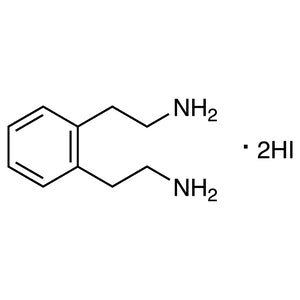
Dihydroiodide TCI B6569
Regular price From Rp 1.988.700,00Regular priceRp 1.405.950,00Sale price From Rp 1.988.700,00 -
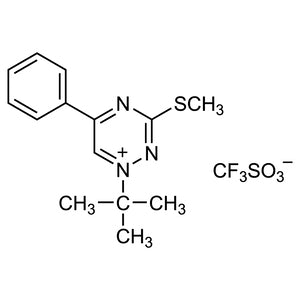
Trifluoromethanesulfonate TCI B7003
Regular price From Rp 1.988.700,00Regular priceRp 1.405.950,00Sale price From Rp 1.988.700,00