4-Methyl-2-pentyl Acetate is a chemical compound widely used in laboratory experiments for its versatility in organic synthesis. As a building block, it serves as a foundational material for creating more complex chemical structures. This compound is particularly valued in synthetic chemistry due to its ability to participate in various reactions, including esterification and the formation of aromatic or aliphatic compounds. Its role in laboratory settings is crucial for researchers aiming to develop new compounds or refine existing ones.
The compound’s chemical properties make it a preferred choice for laboratory use. It is known for its stability under controlled conditions and its reactivity in a variety of chemical processes. Its volatile nature allows for efficient handling during distillation or evaporation steps, which is essential in many synthetic procedures. Additionally, its distinct aroma can act as an indicator in certain reactions, aiding in the identification of reaction progress. These characteristics make it a reliable and effective material for both academic and industrial research.
In Indonesian laboratories, 4-Methyl-2-pentyl Acetate is commonly used in organic chemistry research conducted at universities and research institutions. It plays a vital role in the synthesis of synthetic compounds, particularly in the pharmaceutical and cosmetic industries. Its presence in these settings highlights its importance as a key reagent in the development of new products and materials. The compound’s widespread application underscores its value in both educational and industrial chemical processes.
TCI brochures (PDF)
- Lipids 2025-12-17 · p. 11
Related TCI products
- Ester Synthesis: This compound is ideal for esterification reactions due to its functional group compatibility and reactivity.
- Organic Compound Development: It serves as a building block for creating complex organic molecules in research and industrial settings.
- Aromatic and Aliphatic Compound Formation: It is used in reactions that produce both aromatic and aliphatic compounds, expanding its utility in synthetic chemistry.
- Distillation and Evaporation Processes: Its volatile nature makes it suitable for use in distillation and evaporation techniques commonly applied in laboratory procedures.
- Chemical Indicator Use: The distinct aroma of the compound can act as a sensory indicator in certain chemical reactions, aiding in the monitoring of reaction progress.
| Brand | TCI |
|---|---|
| CAS number | 108-84-9 |
| Molecular formula | — |
| Purity | — |
| Category | Chemistry > Building Blocks > Non-Heterocyclic Building Blocks |
| Pack sizes | Available in various quantities as per supplier specifications |
| Physical form | Liquid |
| Storage | Store in a cool, dry place away from direct sunlight |
This compound should be stored in a cool, dry environment to maintain its stability and prevent degradation. It is recommended to use sealed containers to minimize exposure to air and moisture, which can affect its chemical integrity. Due to its volatility, it should be handled in a well-ventilated area to ensure safety. Laboratory personnel should wear appropriate personal protective equipment, such as gloves and safety goggles, when working with this material. Proper labeling of containers is essential to avoid accidental exposure. Regular monitoring of storage conditions ensures that the compound remains suitable for use in chemical experiments.
—
Produk Terkait
-
Pentyl3-Methylbutanoate TCI A3780
Regular price From Rp 2.332.050,00Regular priceRp 1.630.650,00Sale price From Rp 2.332.050,00 -
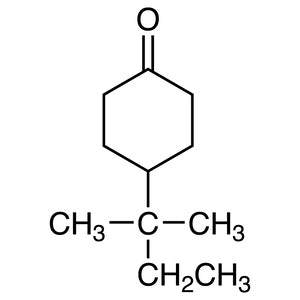
4-(tert-Pentyl)cyclohexan-1-one TCI A3726
Regular price From Rp 2.041.200,00Regular priceRp 1.442.700,00Sale price From Rp 2.041.200,00 -
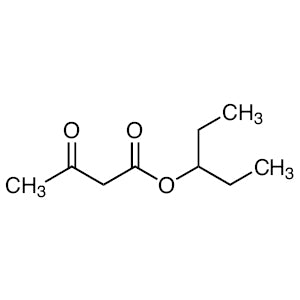
3-PentylAcetoacetate TCI A0813
Regular price Rp 2.147.250,00Regular priceRp 1.517.250,00Sale price Rp 2.147.250,00 -
PentylAcrylate(stabilizedwithphenothiazine) TCI P2986
Regular price From Rp 1.670.550,00Regular priceRp 1.167.600,00Sale price From Rp 1.670.550,00 -
PentylValerate TCI P1929
Regular price From Rp 769.650,00Regular priceRp 537.600,00Sale price From Rp 769.650,00 -
ButylAcetate[forSpectrophotometry] TCI A0228
Regular price Rp 1.538.250,00Regular priceRp 1.075.200,00Sale price Rp 1.538.250,00 -
VinylAcetateMonomer(stabilizedwithHQ) TCI A0045
Regular price Rp 477.750,00Regular priceRp 333.900,00Sale price Rp 477.750,00 -
PropylAcetate TCI A0044
Regular price From Rp 477.750,00Regular priceRp 333.900,00Sale price From Rp 477.750,00