Atrazine, with the CAS number 1912-24-9, is a synthetic chemical compound widely used in life sciences research, particularly in cell biology and nutrition studies. It functions as an effective herbicide for controlling weeds, but its applications extend beyond agricultural use into laboratory settings. In research environments, atrazine is employed to investigate the effects of chemical compounds on the growth and metabolism of organisms. Its role in studying chemical interactions with biological systems makes it a valuable tool for understanding environmental and biological responses to synthetic substances.
Atrazine is favored for its chemical stability and good water solubility, which allow it to be easily incorporated into various experimental conditions. Its high thermal stability ensures that it remains intact under controlled laboratory environments, minimizing the risk of degradation during experiments. Additionally, its versatility in concentration forms enables researchers to tailor experiments to specific needs, enhancing the flexibility of its application in different research contexts. These properties make it a reliable and efficient reagent for scientific investigations.
In Indonesian laboratories, atrazine is commonly used in environmental, agricultural, and molecular biology research. Local researchers utilize this compound to evaluate the impact of chemical exposure on ecosystems and biological systems. Its presence in Indonesian research settings highlights its importance in both academic and applied scientific studies, supporting a wide range of investigative goals.
TCI brochures (PDF)
- Agrochemical Ingredients for Research and Experimental Use 2026-01-08 · p. 2
- Plant Research Reagents 2026-02-24 · p. 10
- Reagents for Biological Research 2025-03-11 · p. 56
- Environmental toxicity testing to assess long-term effects of chemical exposure on aquatic and terrestrial organisms.
- Agricultural research to evaluate the efficacy of herbicides in controlling weed growth in crop fields.
- Molecular biology experiments to study the interaction of synthetic compounds with cellular processes and metabolic pathways.
- Nutritional research to investigate the impact of chemical compounds on nutrient absorption and metabolic functions in organisms.
- Ecotoxicology studies to evaluate the environmental impact of atrazine on biodiversity and ecosystem health.
| Brand | TCI |
|---|---|
| CAS number | 1912-24-9 |
| Molecular formula | — |
| Purity | — |
| Category | Life Science > Cell Biology > Nutrition Research |
| Pack sizes | Available in various quantities as per standard laboratory supply options |
| Physical form | Solid powder |
| Storage | Store in a cool, dry place away from direct sunlight and moisture |
Atrazine should be stored in a cool, dry environment to maintain its chemical stability and prevent degradation. It is recommended to use airtight containers to minimize exposure to moisture and air, which could affect its integrity. Due to its potential chemical reactivity, it should be handled in a well-ventilated area, and appropriate personal protective equipment, such as gloves and safety goggles, should be worn. Avoid contact with skin and eyes, and ensure that spillage is cleaned up promptly to prevent contamination. Proper storage and handling practices are essential to ensure the safety of laboratory personnel and the accuracy of experimental results.
—
Produk Terkait
-
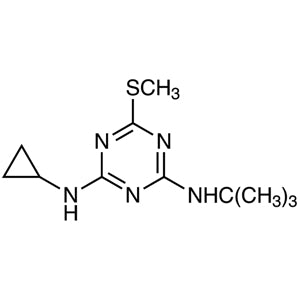
2-(tert-Butylamino)-4-(cyclopropylamino)-6-(methylthio)-1,3,5-triazine TCI I0842
Regular price From Rp 1.696.800,00Regular priceRp 1.202.250,00Sale price From Rp 1.696.800,00 -
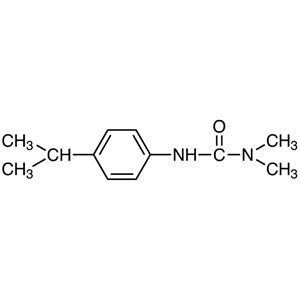
Isoproturon TCI I0843
Regular price From Rp 1.351.350,00Regular priceRp 960.750,00Sale price From Rp 1.351.350,00 -
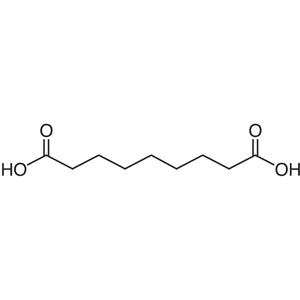
AzelaicAcid TCI A0561
Regular price From Rp 557.550,00Regular priceRp 405.300,00Sale price From Rp 557.550,00 -
AbieticAcid TCI A0001
Regular price From Rp 1.563.450,00Regular priceRp 1.108.800,00Sale price From Rp 1.563.450,00 -
Sulfentrazone TCI U0110
Regular price From Rp 2.464.350,00Regular priceRp 1.738.800,00Sale price From Rp 2.464.350,00 -
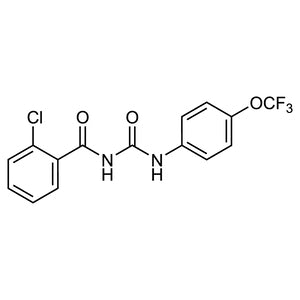
Triflumuron TCI T4364
Regular price From Rp 1.272.600,00Regular priceRp 905.100,00Sale price From Rp 1.272.600,00 -
Tralopyril TCI T4109
Regular price From Rp 2.782.500,00Regular priceRp 1.961.400,00Sale price From Rp 2.782.500,00 -
Tribenuron-methyl TCI T4085
Regular price From Rp 2.411.850,00Regular priceRp 1.702.050,00Sale price From Rp 2.411.850,00