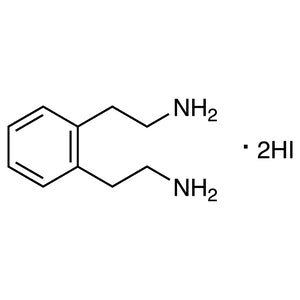
Atropic Acid, with the CAS number 492-38-6, is a chemical compound widely utilized in various laboratory experiments. It serves as a fundamental building block in the synthesis of organic compounds, particularly in reactions involving carbonyl reactivity. Its simple molecular structure plays a crucial role in the formation of more complex chemical structures. In laboratory settings, Atropic Acid is often used as a starting material for chemical reactions that lead to the production of more intricate compounds. Its chemical properties make it a versatile reagent in synthetic chemistry.
Atropic Acid is known for its chemical stability under certain conditions, yet it exhibits reactivity towards high temperatures or humidity. These characteristics make it a preferred choice for reactions requiring precise control. Its solid form facilitates ease of handling and storage, which is essential in laboratory environments. Additionally, its non-toxic and easily degradable nature ensures safety during laboratory use. This combination of stability and reactivity makes it a reliable reagent for various chemical applications.
In Indonesian laboratories, Atropic Acid is commonly used in chemical research, especially in educational institutions and research organizations. It is an essential component in the development of new chemical compounds and the study of organic reactions. Its availability and reliability make it a standard reagent in many laboratory workflows. Its role in synthetic chemistry is vital for advancing research and experimentation in the field.
- Organic Synthesis: Atropic Acid is widely used in organic synthesis due to its reactivity in carbonyl-based reactions, making it ideal for constructing complex molecular structures.
- Educational Research: It is a common reagent in academic laboratories, supporting teaching and research in chemical synthesis and reaction mechanisms.
- Industrial Chemistry: Its stability and reactivity make it suitable for industrial applications where controlled chemical reactions are required.
- Analytical Chemistry: Atropic Acid can be used as a reference material for analytical purposes, aiding in the identification and quantification of other compounds.
- Pharmaceutical Development: It serves as a building block in the development of pharmaceutical compounds, contributing to the synthesis of active pharmaceutical ingredients.
| Brand | TCI |
|---|---|
| CAS number | 492-38-6 |
| Molecular formula | — |
| Purity | — |
| Category | Chemistry > Building Blocks > Non-Heterocyclic Building Blocks |
| Pack sizes | Available in various pack sizes to meet different laboratory needs |
| Physical form | Solid |
| Storage | Store in a cool, dry place away from direct sunlight |
Atropic Acid should be stored in a cool, dry environment to maintain its chemical stability. It is recommended to keep it in a sealed container to prevent exposure to moisture and air. Due to its reactivity under certain conditions, it should be handled with care, especially in high-temperature or humid environments. Proper ventilation is essential when working with this compound to ensure safety. The solid form of Atropic Acid makes it easy to handle, but it is important to follow standard laboratory safety protocols. Always use appropriate personal protective equipment, such as gloves and safety goggles, when handling this material.
—
Produk Terkait
-
TCI B5774 5,10-Bis(4,4,5,5-tetramethyl-1,3,2-dioxaborolan-2-yl)naphtho[1,2-c:5,6-c']bis([1,2,5]oxadiazole)
Regular price Rp 10.307.850,00Regular priceRp 7.224.000,00Sale price Rp 10.307.850,00 -
Dihydroiodide TCI B6569
Regular price From Rp 1.988.700,00Regular priceRp 1.405.950,00Sale price From Rp 1.988.700,00