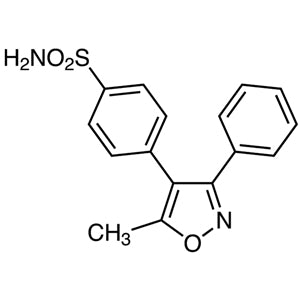
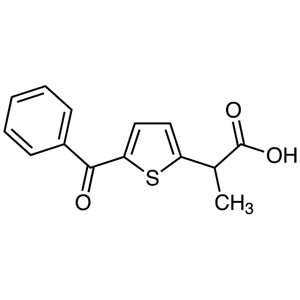
Acemetacin is a chemical compound widely utilized in pharmaceutical research and drug development. As a key reagent in Drug Delivery Systems (DDS), it plays a crucial role in evaluating the efficacy and mechanism of action of various drugs under different conditions. In laboratory settings, Acemetacin serves as an active ingredient for testing how drugs behave in controlled environments, supporting the development of new therapeutic agents. Its presence in research helps scientists understand drug interactions and optimize formulations for better therapeutic outcomes.
The chemical properties of Acemetacin make it a preferred choice for researchers. Its stability and ease of analysis contribute to its reliability in experimental settings. The compound’s consistent chemical structure allows for accurate characterization and analysis during research processes. Additionally, its good solubility in organic solvents simplifies synthesis and testing procedures, making it a versatile tool in pharmaceutical development. These characteristics ensure that Acemetacin remains a valuable resource in both academic and industrial research.
In Indonesian laboratories, Acemetacin is commonly used in drug development and pharmacological studies. It supports research focused on improving drug delivery methods and understanding the pharmacological behavior of compounds. Its availability and reliability make it a staple in laboratories working on new drug formulations and therapeutic innovations. The compound’s role in Indonesian research highlights its importance in advancing pharmaceutical science within the region.
TCI brochures (PDF)
- Anti-Rheumatoid Arthritis Ingredients 2025-01-29 · p. 1
- Lipid Mediator Research Reagents 2026-04-10 · p. 1
- Immune System, Inflammation, Allergy Research Reagents 2025-05-26 · p. 3
- Pharmaceutical Ingredients for Research and Experimental Use 2026-03-09 · p. 32
- Drug Delivery System Research – Acemetacin is ideal for studying how drugs are transported and released in the body, aiding in the design of more efficient delivery mechanisms.
- Pharmacological Testing – Its stable chemical properties make it suitable for evaluating drug interactions and biological responses in controlled environments.
- Formulation Development – The compound’s solubility in organic solvents supports its use in creating and testing new drug formulations.
- Analytical Chemistry – Due to its consistent structure, Acemetacin is used in analytical procedures to calibrate instruments and validate experimental results.
- Toxicology Studies – Its predictable behavior in laboratory conditions allows for accurate assessment of potential toxic effects of new compounds.
| Brand | TCI |
|---|---|
| CAS number | 53164-05-9 |
| Molecular formula | — |
| Purity | — |
| Category | Chemistry > Pharmaceutical Development and Drug Discovery Research Reagents > Drug Delivery Systems (DDS) |
| Pack sizes | As available from supplier |
| Physical form | Solid |
| Storage | Store in a cool, dry place away from light |
Acemetacin should be stored in a cool, dry place away from direct sunlight to maintain its chemical stability. It is recommended to use airtight containers to prevent moisture absorption and contamination. Due to its chemical nature, it should be handled with appropriate personal protective equipment such as gloves and safety goggles. In laboratory settings, it is important to ensure proper ventilation when working with the compound to avoid inhalation of vapors. Acemetacin is non-hazardous under normal conditions but should be stored separately from incompatible substances to prevent any potential reactions. Proper labeling and storage practices help ensure the safety of both the compound and laboratory personnel.
—
Product Categories
- Biochemicals and ReagentsEnzymes, Enzyme Inhibitors, Enzyme SubstratesEnzymes [by Application]
- Biochemicals and ReagentsEnzymes, Enzyme Inhibitors, Enzyme SubstratesEnzyme Inhibitors [Biochemicals and Reagents]
- Biochemicals and ReagentsPharmaceutical Research Reagents (for Experimental Use)Anti-inflammatory Ingredients (for Research and Experimental Use)
- Biochemicals and ReagentsPharmaceutical Research Reagents (for Experimental Use)Anti-rheumatoid Arthritis Ingredients (for Research and Experimental Use)
- Cell BiologyImmune System, Inflammation, Allergy ResearchCyclooxygenase (COX) Inhibitors
- Pharmaceutical Development and Drug Discovery ResearchPharmaceutical Research Reagents (for Experimental Use)Anti-inflammatory Ingredients (for Research and Experimental Use)
- Pharmaceutical Development and Drug Discovery ResearchPharmaceutical Research Reagents (for Experimental Use)Anti-rheumatoid Arthritis Ingredients (for Research and Experimental Use)
- Pharmaceutical Development and Drug Discovery ResearchDrug Delivery Systems (DDS)Prodrug Ingredients
Produk Terkait
-
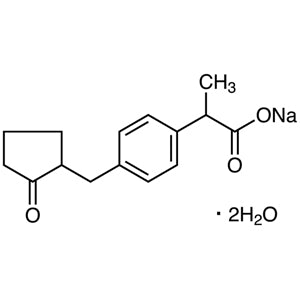
LoxoprofenSodiumSaltDihydrate TCI L0252
Regular price From Rp 2.121.000,00Regular priceRp 1.498.350,00Sale price From Rp 2.121.000,00 -
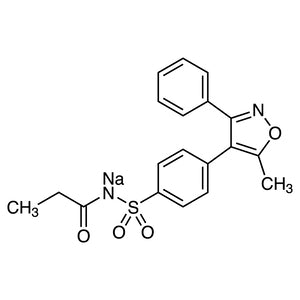
ParecoxibSodium TCI P3100
Regular price Rp 3.815.700,00Regular priceRp 2.683.800,00Sale price Rp 3.815.700,00 -
Parecoxib TCI P2579
Regular price From Rp 5.405.400,00Regular priceRp 3.795.750,00Sale price From Rp 5.405.400,00 -
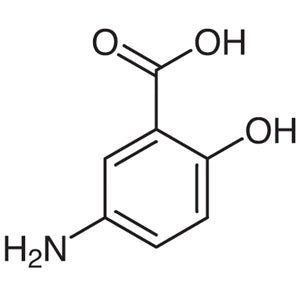
5-AminosalicylicAcid TCI A0317
Regular price From Rp 1.008.000,00Regular priceRp 720.300,00Sale price From Rp 1.008.000,00 -
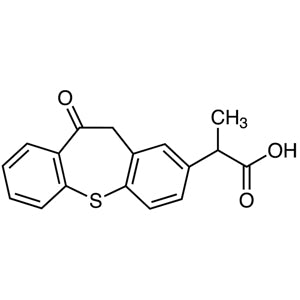
Zaltoprofen TCI Z0021
Regular price From Rp 1.378.650,00Regular priceRp 979.650,00Sale price From Rp 1.378.650,00 -
Valdecoxib TCI V0133
Regular price From Rp 2.914.800,00Regular priceRp 2.053.800,00Sale price From Rp 2.914.800,00 -
TiaprofenicAcid TCI T3175
Regular price From Rp 3.922.800,00Regular priceRp 2.758.350,00Sale price From Rp 3.922.800,00 -
BetamethasoneValerate TCI B4157
Regular price From Rp 1.405.950,00Regular priceRp 998.550,00Sale price From Rp 1.405.950,00