(-)-Ambroxide is an organic compound widely used in life science research, particularly in cell biology and nutrition studies. This compound plays a crucial role in investigating molecular interactions within biological systems, offering insights into how specific compounds affect cellular processes and organismal functions. Its presence in laboratory settings enables researchers to explore the biological mechanisms underlying various physiological and metabolic responses. Due to its relevance in understanding organic compound behavior, (-)-Ambroxide is a valuable tool for scientists aiming to deepen their knowledge of biological activity and molecular interactions.
The chemical properties of (-)-Ambroxide make it a preferred choice for laboratory use. It exhibits chemical stability and solubility in certain organic solvents, which facilitates its application in a wide range of chemical and biological experiments. Its high purity and consistent chemical properties ensure reliable results in research settings, making it a trusted material for scientific investigations. Additionally, its relatively safe handling profile, when proper precautions are followed, enhances its usability in laboratory environments. These characteristics collectively contribute to its popularity among researchers seeking high-quality reagents for their experiments.
In Indonesian laboratories, (-)-Ambroxide is commonly utilized in life science research, especially in the study of nutrition and metabolism. It is frequently incorporated into experiments aimed at understanding the biological effects of organic compounds on cellular and systemic levels. Its application supports both academic and industrial research efforts, contributing to the advancement of scientific knowledge in the region. The compound's versatility and reliability make it an essential component in various research projects conducted in Indonesian laboratories.
TCI brochures (PDF)
- Phytochemicals 2025-12-17 · p. 5
- Reagents for Biological Research 2025-03-11 · p. 53
- Nutritional Metabolism Studies: (-)-Ambroxide is used to investigate metabolic pathways and how organic compounds influence cellular processes in nutritional research.
- Cellular Signaling Research: This compound aids in studying molecular interactions that regulate cellular communication and response mechanisms.
- Drug Development Testing: (-)-Ambroxide supports preclinical studies by helping assess the biological activity of potential therapeutic agents.
- Bioavailability Analysis: It is utilized to evaluate how compounds are absorbed, distributed, and metabolized within biological systems.
- Toxicological Screening: (-)-Ambroxide assists in assessing the safety and potential toxicity of organic compounds in experimental models.
| Brand | TCI |
|---|---|
| CAS number | 6790-58-5 |
| Molecular formula | — |
| Purity | — |
| Category | Life Science > Cell Biology > Nutrition Research |
| Pack sizes | — |
| Physical form | — |
| Storage | Store in a cool, dry place away from light |
(-)-Ambroxide should be stored in a cool, dry environment, away from direct sunlight and sources of heat. It is recommended to use airtight containers to prevent exposure to moisture and air, which could affect its stability. Proper labeling of containers is essential for safe handling and to avoid cross-contamination. While the compound is generally considered safe when handled correctly, researchers should wear appropriate personal protective equipment, such as gloves and safety goggles, to minimize direct contact. It is important to follow standard laboratory safety protocols to ensure safe usage and maintain the integrity of the compound during experiments.
—
Product Categories
Produk Terkait
-
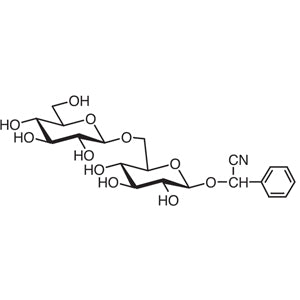
Amygdalin TCI A0443
Regular price From Rp 530.250,00Regular priceRp 386.400,00Sale price From Rp 530.250,00 -
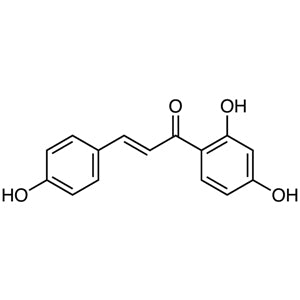
Isoliquiritigenin TCI I0822
Regular price From Rp 1.087.800,00Regular priceRp 775.950,00Sale price From Rp 1.087.800,00 -
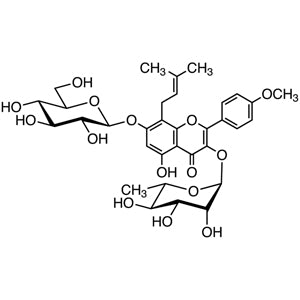
Icariin TCI I0862
Regular price From Rp 1.881.600,00Regular priceRp 1.331.400,00Sale price From Rp 1.881.600,00 -
Arbutin TCI A0522
Regular price From Rp 505.050,00Regular priceRp 368.550,00Sale price From Rp 505.050,00 -
AtropineSulfateMonohydrate TCI A0550
Regular price From Rp 1.908.900,00Regular priceRp 1.350.300,00Sale price From Rp 1.908.900,00 -
Zerumbone TCI Z0060
Regular price Rp 8.374.800,00Regular priceRp 5.871.600,00Sale price Rp 8.374.800,00 -
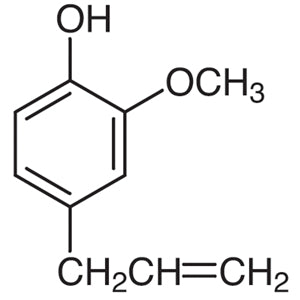
Eugenol TCI A0232
Regular price From Rp 557.550,00Regular priceRp 405.300,00Sale price From Rp 557.550,00 -
Allantoin TCI A0211
Regular price Rp 795.900,00Regular priceRp 572.250,00Sale price Rp 795.900,00