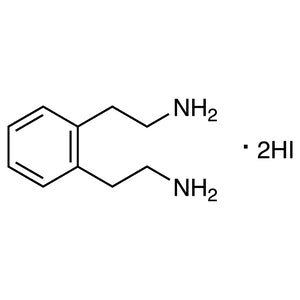
Azamethiphos is a chemical compound widely used in laboratory experiments, particularly in the fields of organic chemistry and pesticide research. As a key component in the development of bioactive compounds, it plays a crucial role in the synthesis of various chemical substances. Its unique chemical properties make it a valuable resource for researchers aiming to create effective and environmentally friendly pest control solutions. This compound is especially relevant in the study of insecticides and their impact on agricultural systems.
Azamethiphos is favored for its complex molecular structure, which allows for high reactivity in a variety of chemical reactions. This reactivity makes it an ideal choice for laboratories requiring materials that can participate in diverse synthetic processes. Additionally, the compound exhibits a certain level of stability under specific conditions, which simplifies its storage and handling. These characteristics contribute to its popularity among scientists and researchers working in both academic and industrial settings.
In Indonesian laboratories, Azamethiphos is commonly used in chemical and agricultural research. It is a key component in experiments aimed at developing more effective and safe pest control methods. Due to its limited availability, it is highly sought after by researchers and educational institutions across the country. Its application in laboratory settings continues to grow as scientists explore new ways to improve agricultural productivity and environmental sustainability.
- Pest control research involving the synthesis of bioactive compounds benefits from Azamethiphos due to its reactivity and chemical versatility.
- Environmental studies on pesticide impact utilize Azamethiphos to analyze the behavior and degradation of insecticides in different ecosystems.
- Organic chemistry experiments often incorporate Azamethiphos to test its role in the formation of complex molecular structures.
- Agricultural research focuses on the development of safe and effective insecticides using Azamethiphos as a key synthetic component.
- Toxicology studies examine the properties of Azamethiphos to assess its potential effects on biological systems and environmental safety.
| Brand | TCI |
|---|---|
| CAS number | 35575-96-3 |
| Molecular formula | — |
| Purity | — |
| Category | TCI |
| Pack sizes | — |
| Physical form | — |
| Storage | Store in a cool, dry place away from direct sunlight and incompatible materials. |
Azamethiphos should be stored in a cool, dry environment to maintain its chemical stability. It is recommended to keep it in airtight containers to prevent exposure to moisture and air, which can affect its reactivity. Due to its chemical nature, it should be stored away from incompatible substances such as strong oxidizers or acids. Laboratory personnel should handle the compound with appropriate personal protective equipment, including gloves and safety goggles, to ensure safety during use. Proper ventilation is essential when working with Azamethiphos to minimize inhalation risks. Regular monitoring of storage conditions helps maintain the integrity and effectiveness of the compound in research applications.
—
Produk Terkait
-
TCI B5774 5,10-Bis(4,4,5,5-tetramethyl-1,3,2-dioxaborolan-2-yl)naphtho[1,2-c:5,6-c']bis([1,2,5]oxadiazole)
Regular price Rp 10.307.850,00Regular priceRp 7.224.000,00Sale price Rp 10.307.850,00 -
Dihydroiodide TCI B6569
Regular price From Rp 1.988.700,00Regular priceRp 1.405.950,00Sale price From Rp 1.988.700,00