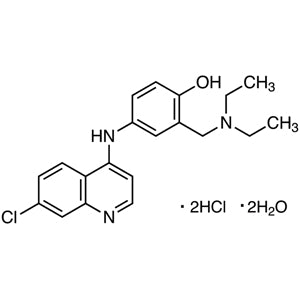
Amodiaquine Dihydrochloride Dihydrate is a chemical compound widely used in laboratory research related to pharmacology and biochemistry. It is commonly found in laboratories focused on drug development, particularly in studies involving antimalarial agents. As a derivative of quinine, this compound exhibits significant antimicrobial activity, especially against *Plasmodium* parasites that cause malaria. Its role in controlled laboratory environments is crucial for evaluating the efficacy and mechanism of action of pharmaceutical compounds.
This compound is preferred due to its stable chemical properties and solubility in organic solvents such as ethyl acetate or ethanol. These characteristics make it ideal for use in various chemical reactions and quantitative analyses. Additionally, its resistance to extreme environmental conditions simplifies storage and long-term use. The high purity and consistency of Amodiaquine Dihydrochloride Dihydrate ensure reliable results in scientific research, making it a trusted reagent in both academic and industrial settings.
In Indonesian laboratories, Amodiaquine Dihydrochloride Dihydrate is commonly used in pharmaceutical and biochemical research. It plays a key role in the development of antimalarial drugs and in studying the pharmacological effects of various compounds. Its availability and reliability make it a valuable resource for researchers working on malaria-related projects and other biochemical investigations.
TCI brochures (PDF)
- Antimicrobials and Antitumor Agents for Research and Experimental Use 2025-04-24 · p. 10
- Pharmaceutical Ingredients for Research and Experimental Use 2026-03-09 · p. 10
- Antimalarial Drug Development: This compound is used to test the efficacy of antimalarial drugs against *Plasmodium* parasites, supporting research into new treatments for malaria.
- Pharmacological Research: It is employed in studies to understand the mechanism of action of antimalarial agents and their interactions with biological systems.
- Biochemical Analysis: Its solubility and stability make it suitable for use in biochemical assays and quantitative analysis of drug compounds.
- Drug Formulation Studies: It is used to evaluate the properties of drug formulations and their behavior in different environments.
- Toxicology Testing: It helps in assessing the toxicity and safety profiles of antimalarial compounds in controlled laboratory settings.
| Brand | TCI |
|---|---|
| CAS number | 6398-98-7 |
| Molecular formula | — |
| Purity | — |
| Category | Life Science > Biochemicals and Reagents > Antibiotics |
| Pack sizes | Available in various quantities as per standard laboratory requirements |
| Physical form | Solid, crystalline powder |
| Storage | Store in a cool, dry place away from light and moisture |
Amodiaquine Dihydrochloride Dihydrate should be stored in a cool, dry environment, away from direct light and moisture to maintain its stability and potency. It is recommended to use airtight containers to prevent exposure to humidity and contaminants. In laboratory settings, proper ventilation should be ensured when handling the compound to minimize inhalation risks. The compound should be kept in a secure location, away from incompatible materials such as strong acids or bases. Regular monitoring of storage conditions is advised to ensure the integrity of the material over time. Always follow standard safety protocols when handling chemical reagents to ensure a safe working environment.
—
Product Categories
- Biochemicals and ReagentsAntibioticsAntibiotics (by Application)
- Biochemicals and ReagentsPharmaceutical Research Reagents (for Experimental Use)Antiparasitic Ingredients, Antiprotozoal Ingredients, Antihelminthic Ingredients (for Research and Experimental Use)
- MicrobiologyAntibioticsAntibiotics (by Application)
- Pharmaceutical Development and Drug Discovery ResearchPharmaceutical Research Reagents (for Experimental Use)Antiparasitic Ingredients, Antiprotozoal Ingredients, Antihelminthic Ingredients (for Research and Experimental Use)
- Pharmaceutical Development and Drug Discovery ResearchAntibioticsAntibiotics (by Application)
Produk Terkait
-
TiloroneDihydrochloride TCI T2836
Regular price From Rp 1.087.800,00Regular priceRp 775.950,00Sale price From Rp 1.087.800,00 -
TafenoquineSuccinate TCI T4392
Regular price Rp 8.240.400,00Regular priceRp 5.778.150,00Sale price Rp 8.240.400,00 -
Tizoxanide TCI T3862
Regular price From Rp 7.154.700,00Regular priceRp 5.019.000,00Sale price From Rp 7.154.700,00 -
TetramisoleHydrochloride TCI T3663
Regular price Rp 2.093.700,00Regular priceRp 1.479.450,00Sale price Rp 2.093.700,00 -
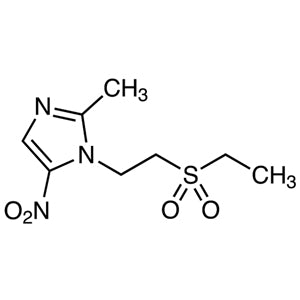
Tinidazole TCI T3058
Regular price From Rp 795.900,00Regular priceRp 572.250,00Sale price From Rp 795.900,00 -
Triclabendazole TCI T2826
Regular price Rp 795.900,00Regular priceRp 572.250,00Sale price Rp 795.900,00 -
LevamisoleHydrochloride TCI T1215
Regular price From Rp 1.801.800,00Regular priceRp 1.275.750,00Sale price From Rp 1.801.800,00 -
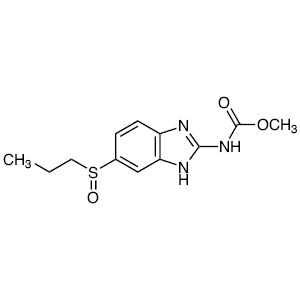
AlbendazoleSulfoxide TCI A3316
Regular price From Rp 1.113.000,00Regular priceRp 793.800,00Sale price From Rp 1.113.000,00