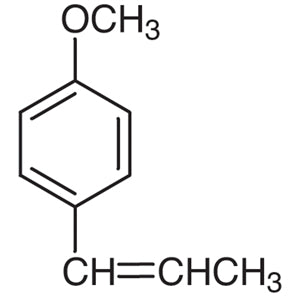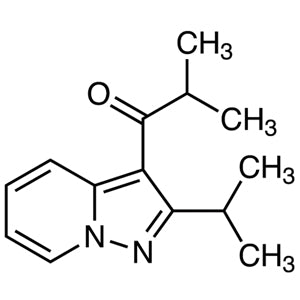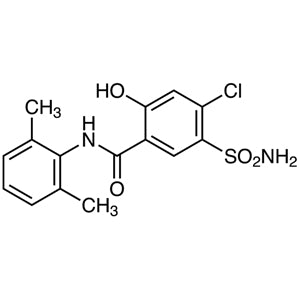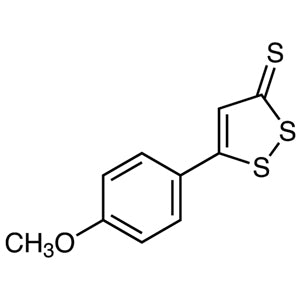
Anethole Trithione is a chemical compound widely used in scientific experiments, particularly in the fields of pharmacology and biochemistry. It serves as a reagent in pharmaceutical research, aiding in the study of biological activity of specific compounds. This compound is essential for researchers aiming to develop new drugs and pharmacologically active substances. Its role in laboratory settings is crucial for conducting experiments that require molecular modification or chemical property testing.
Anethole Trithione is valued for its chemical stability under certain conditions, making it a reliable choice for laboratory use. It exhibits good solubility in organic solvents, which facilitates its use in various chemical reactions. These properties ensure consistent performance in experiments, making it a preferred reagent for both academic and industrial research. Its reactivity and stability contribute to its effectiveness in experimental protocols.
In Indonesian laboratories, Anethole Trithione is commonly used in applied research, especially within higher education institutions and research organizations focused on pharmacology and biochemistry. It is also utilized in the development of pharmaceutical products and public health-related research. Its versatility and reliability make it a staple in laboratory environments where precision and consistency are critical.
TCI brochures (PDF)
- Pharmaceutical Ingredients for Research and Experimental Use 2026-03-09 · p. 42
- Pharmaceutical Research: Anethole Trithione is ideal for studying the biological activity of compounds, supporting drug development and pharmacological studies.
- Biochemical Analysis: Its chemical stability and solubility make it suitable for experiments requiring molecular modification and chemical property testing.
- Academic Research: Used in educational and research institutions for teaching and experimental purposes in biochemistry and pharmacology.
- Drug Development: It plays a key role in the formulation and testing of new pharmaceutical compounds and active ingredients.
- Public Health Studies: Applied in research related to health and medicine, aiding in the development of therapeutic agents and health-related products.
| Brand | TCI |
|---|---|
| CAS number | 532-11-6 |
| Molecular formula | — |
| Purity | — |
| Category | Life Science > Biochemicals and Reagents > Pharmaceutical Research Reagents |
| Pack sizes | Available in standard laboratory quantities |
| Physical form | Solid or crystalline, depending on the batch |
| Storage | Store in a cool, dry place away from light and moisture |
Anethole Trithione should be stored in a cool, dry place, away from direct light and moisture to maintain its chemical stability. It is recommended to use airtight containers to prevent exposure to air and humidity. Laboratory personnel should handle the compound with care, using appropriate personal protective equipment such as gloves and safety goggles. It is important to ensure that the compound is stored separately from incompatible materials to avoid any potential chemical reactions. Proper labeling and storage conditions are essential to maintain the integrity and safety of the reagent in the laboratory environment.
—
Product Categories
Produk Terkait
-
trans-Anethole TCI P0494
Regular price From Rp 769.650,00Regular priceRp 537.600,00Sale price From Rp 769.650,00 -
Ibudilast TCI I0740
Regular price From Rp 1.961.400,00Regular priceRp 1.387.050,00Sale price From Rp 1.961.400,00 -
IvabradineHydrochloride TCI I0847
Regular price From Rp 4.664.100,00Regular priceRp 3.277.050,00Sale price From Rp 4.664.100,00 -
Carbazochrome TCI A0176
Regular price From Rp 2.279.550,00Regular priceRp 1.609.650,00Sale price From Rp 2.279.550,00 -
L-Adrenaline TCI A0173
Regular price Rp 1.351.350,00Regular priceRp 960.750,00Sale price Rp 1.351.350,00 -
Zonisamide TCI Z0026
Regular price From Rp 2.199.750,00Regular priceRp 1.554.000,00Sale price From Rp 2.199.750,00 -
Xipamide TCI X0079
Regular price Rp 5.167.050,00Regular priceRp 3.628.800,00Sale price Rp 5.167.050,00 -
Xylazine TCI X0069
Regular price Rp 1.961.400,00Regular priceRp 1.387.050,00Sale price Rp 1.961.400,00