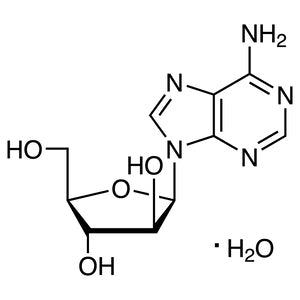
Arbidol Hydrochloride is a chemical compound widely utilized in laboratory settings, particularly in the fields of biochemistry and pharmacology. It serves as a key reagent in experiments focused on viral research and the study of immune responses to infections. Its significance lies in its ability to inhibit viral replication, making it a valuable tool for scientists working on antiviral drug development and clinical trials. This compound is essential for understanding the mechanisms of viral infection and the potential therapeutic applications of antiviral agents.
One of the main reasons Arbidol Hydrochloride is preferred in laboratories is its chemical stability and solubility in organic solvents such as ethyl acetate and ethanol. These properties make it highly versatile for use in various chemical reactions and dissolution processes. Its consistent performance and predictable behavior under different experimental conditions contribute to its reliability in scientific research. Additionally, its relatively high safety profile ensures that it can be handled with minimal risk, making it suitable for precise and sensitive laboratory procedures.
In Indonesian laboratories, Arbidol Hydrochloride is commonly used in research related to infectious diseases and vaccine development. It plays a crucial role in studies aimed at understanding the transmission of pathogens and the effectiveness of antiviral treatments. Its presence in public health and pharmaceutical research underscores its importance in advancing scientific knowledge and improving healthcare solutions in the region.
TCI brochures (PDF)
- Antiviral Agents Targeting RNA-Dependent RNA Polymerase (RdRp) 2025-11-25 · p. 1
- Antimicrobials and Antitumor Agents for Research and Experimental Use 2025-04-24 · p. 12
- Pharmaceutical Ingredients for Research and Experimental Use 2026-03-09 · p. 12
- Reagents for Biological Research 2025-03-11 · p. 44
- Antiviral Research - Arbidol Hydrochloride is ideal for studying the mechanisms of viral inhibition and the development of antiviral therapies due to its proven antiviral activity.
- Immunological Studies - It is used to investigate how the immune system responds to viral infections, supporting research on immune modulation and therapeutic interventions.
- Drug Development - The compound is a key component in the formulation and testing of new antiviral drugs, aiding in the evaluation of efficacy and safety in preclinical trials.
- Pathogen Isolation - It facilitates the isolation and analysis of viral strains, enabling researchers to study their behavior and potential treatments.
- Vaccine Research - Arbidol Hydrochloride contributes to vaccine development by helping to assess the impact of antiviral agents on viral replication and immune response.
| Brand | TCI |
|---|---|
| CAS number | 131707-23-8 |
| Molecular formula | — |
| Purity | — |
| Category | Life Science > Biochemicals and Reagents > Antibiotics |
| Pack sizes | Available in various quantities as per supplier specifications |
| Physical form | Solid powder |
| Storage | Store in a cool, dry place away from direct sunlight |
Arbidol Hydrochloride should be stored in a cool, dry environment to maintain its chemical stability and prevent degradation. It is recommended to keep the compound in a tightly sealed container to minimize exposure to moisture and air. Due to its solubility in organic solvents, it should be handled in a well-ventilated area to avoid inhalation of vapors. Laboratory personnel should wear appropriate personal protective equipment, such as gloves and safety goggles, when handling the compound. Proper disposal procedures should be followed to ensure compliance with environmental and safety regulations. Regular monitoring of storage conditions is essential to maintain the integrity of the material for reliable experimental results.
—
Product Categories
- Biochemicals and ReagentsAntibioticsAntibiotics (by Application)
- Biochemicals and ReagentsPharmaceutical Research Reagents (for Experimental Use)Antiviral Research Reagents (for Experimental Use)
- MicrobiologyAntibioticsAntibiotics (by Application)
- Pharmaceutical Development and Drug Discovery ResearchPharmaceutical Research Reagents (for Experimental Use)Antiviral Research Reagents (for Experimental Use)
- Pharmaceutical Development and Drug Discovery ResearchAntibioticsAntibiotics (by Application)
Produk Terkait
-
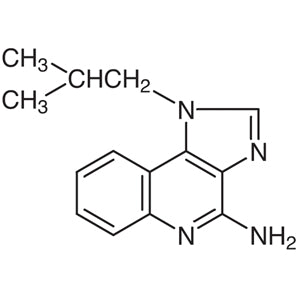
Imiquimod TCI I0747
Regular price Rp 2.094.750,00Regular price -
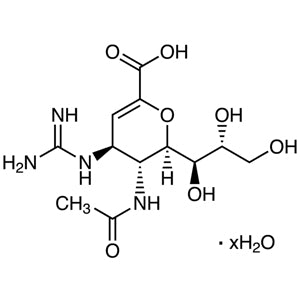
ZanamivirHydrate TCI Z0023
Regular price Rp 3.472.350,00Regular priceRp 2.443.350,00Sale price Rp 3.472.350,00 -
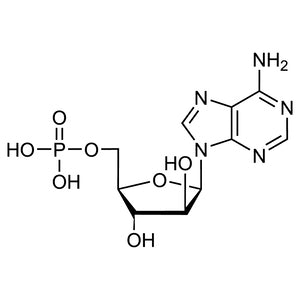
VidarabineMonophosphate TCI V0205
Regular price Rp 2.411.850,00Regular priceRp 1.702.050,00Sale price Rp 2.411.850,00 -
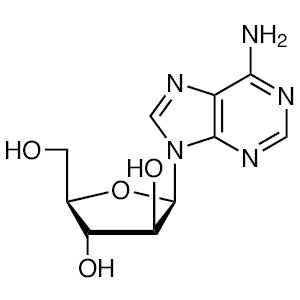
Vidarabine TCI V0175
Regular price Rp 1.856.400,00Regular priceRp 1.313.550,00Sale price Rp 1.856.400,00 -
ValganciclovirHydrochloride TCI V0158
Regular price Rp 1.618.050,00Regular priceRp 1.146.600,00Sale price Rp 1.618.050,00 -
ValacyclovirHydrochloride TCI V0111
Regular price Rp 2.147.250,00Regular priceRp 1.517.250,00Sale price Rp 2.147.250,00 -
VidarabineMonohydrate TCI V0098
Regular price Rp 3.710.700,00Regular priceRp 2.610.300,00Sale price Rp 3.710.700,00 -
Tecovirimat TCI T4378
Regular price Rp 1.988.700,00Regular priceRp 1.405.950,00Sale price Rp 1.988.700,00