3-Guanidinopropanoic Acid is a chemical compound widely used in laboratory settings for its versatility in chemical and biochemical applications. It plays a crucial role in peptide chemistry and chemical biology, serving as a key reagent in the synthesis of complex molecules. This compound is particularly valuable in catalytic reactions and molecular modification processes, where its unique functional groups contribute to the formation of bioactive compounds. Its presence in various research fields highlights its importance in advancing scientific knowledge and innovation.
The compound’s chemical properties and molecular structure make it a preferred choice for high reactivity and specificity in controlled environments. Its solubility in organic solvents simplifies mixing and reaction processes, enhancing efficiency in laboratory workflows. These characteristics ensure consistent performance, making it a reliable material for researchers aiming for precision and reproducibility. The compound’s stability and reactivity under specific conditions further support its use in advanced chemical and biochemical experiments.
In Indonesian laboratories, 3-Guanidinopropanoic Acid is commonly used in organic and biochemical research projects. It supports the development of bioactive compounds, drug discovery initiatives, and molecular interaction studies. Its availability in the local market ensures accessibility for researchers, facilitating ongoing scientific exploration and innovation in the field.
- Peptide Synthesis: This compound is ideal for peptide chemistry due to its ability to participate in amide bond formation, supporting the creation of complex amino acid sequences.
- Catalytic Reactions: Its functional groups enable it to act as a catalyst in various organic transformations, enhancing reaction efficiency and selectivity.
- Molecular Modification: It is used to modify existing molecules, introducing guanidino groups that can influence biological activity and reactivity.
- Bioactive Compound Development: Its structure makes it suitable for synthesizing compounds with potential pharmaceutical applications, including drug candidates.
- Molecular Interaction Studies: It is employed in experiments that investigate molecular recognition and binding interactions in biochemical systems.
| Brand | TCI |
|---|---|
| CAS number | 353-09-3 |
| Molecular formula | — |
| Purity | — |
| Category | Chemistry > Chemical Biology > Peptide Chemistry |
| Pack sizes | Available in various quantities as per supplier specifications |
| Physical form | Solid or crystalline, depending on purity and storage conditions |
| Storage | Store in a cool, dry place away from moisture and direct sunlight |
This compound should be stored in a cool, dry environment to maintain its chemical integrity. It is recommended to keep it in airtight containers to prevent exposure to moisture, which could affect its stability. Proper labeling of containers is essential for safe handling and identification. Due to its chemical nature, it should be handled with appropriate personal protective equipment, such as gloves and safety goggles, to ensure laboratory safety. Avoid direct contact with skin or inhalation of vapors, and ensure adequate ventilation when working with this material. Regular monitoring of storage conditions will help preserve its quality and effectiveness for research purposes.
—
Product Categories
Produk Terkait
-
4-AminobenzoicAcid TCI A0269
Regular price From Rp 530.250,00Regular priceRp 370.650,00Sale price From Rp 530.250,00 -
4-AminobutyricAcid TCI A0282
Regular price From Rp 505.050,00Regular priceRp 352.800,00Sale price From Rp 505.050,00 -
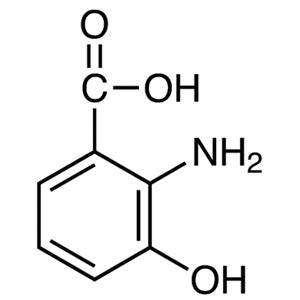
2-Amino-3-hydroxybenzoicAcid TCI A0316
Regular price From Rp 3.312.750,00Regular priceRp 2.332.050,00Sale price From Rp 3.312.750,00 -
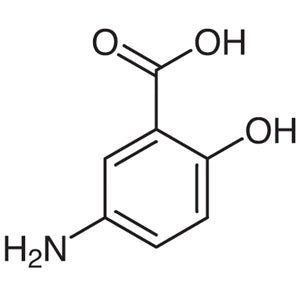
5-AminosalicylicAcid TCI A0317
Regular price From Rp 1.008.000,00Regular priceRp 720.300,00Sale price From Rp 1.008.000,00 -
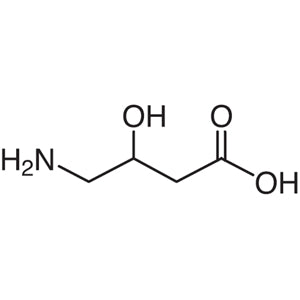
4-Amino-3-hydroxybutyricAcid TCI A0318
Regular price From Rp 1.167.600,00Regular priceRp 831.600,00Sale price From Rp 1.167.600,00 -
DL-Homoserine TCI A0319
Regular price From Rp 2.439.150,00Regular priceRp 1.720.950,00Sale price From Rp 2.439.150,00 -
DL-2-Amino-n-octanoicAcid TCI A0382
Regular price From Rp 2.332.050,00Regular priceRp 1.646.400,00Sale price From Rp 2.332.050,00 -
4-AminosalicylicAcid TCI A0420
Regular price From Rp 822.150,00Regular priceRp 590.100,00Sale price From Rp 822.150,00