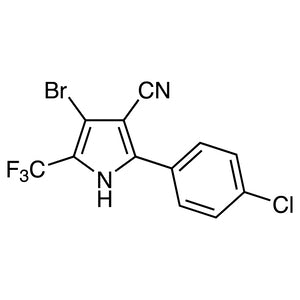
Azoxystrobin is a chemical compound widely used in life science research, particularly in cell biology and nutrition studies. As a synthetic fungicide, it plays a crucial role in controlling fungal diseases in plants. In laboratory settings, Azoxystrobin is essential for investigating the mechanisms of action of active compounds against microorganisms, especially pathogenic fungi. Its application extends to the study of plant nutrition and disease management, making it a vital tool for researchers. Due to its specificity and effectiveness, Azoxystrobin is frequently used in experiments aimed at understanding plant resistance and microbial interactions.
Azoxystrobin is known for its chemical stability and good solubility in organic solvents, which enhances its usability in various experimental conditions. Its high purity and consistent quality make it a preferred choice for scientific research. The compound’s ability to withstand changing environmental conditions ensures reliable results across different experimental setups. These properties contribute to its popularity among researchers seeking reliable and reproducible outcomes in their studies.
In Indonesian laboratories, Azoxystrobin is commonly used in agricultural and environmental research. It is a key material for studies on pest control and plant disease management. Researchers in Indonesia rely on this compound to explore sustainable solutions for crop protection and to improve agricultural productivity through scientific innovation.
- Fungal Disease Control Research: Azoxystrobin is ideal for studying the efficacy of synthetic fungicides against plant pathogens, offering insights into disease resistance mechanisms.
- Plant Nutrition Studies: Its role in investigating how microbial interactions affect plant health makes it suitable for nutritional research in agricultural sciences.
- Microbial Activity Analysis: The compound’s specificity allows for targeted studies on fungal inhibition, aiding in the development of biocontrol strategies.
- Environmental Toxicity Testing: Azoxystrobin’s stability and solubility make it useful for assessing the impact of chemical compounds on ecological systems.
- Crop Protection Development: It is widely used in the formulation and testing of new agricultural products aimed at improving plant health and yield.
| Brand | TCI |
|---|---|
| CAS number | 131860-33-8 |
| Molecular formula | — |
| Purity | — |
| Category | Life Science > Cell Biology > Nutrition Research |
| Pack sizes | Available in various quantities as per supplier specifications |
| Physical form | Solid |
| Storage | Store in a cool, dry place away from direct sunlight |
Azoxystrobin should be stored in a cool, dry environment to maintain its chemical stability and prevent degradation. It is recommended to keep the compound in a sealed container to avoid exposure to moisture and air. Suitable storage containers include glass or high-density polyethylene bottles to ensure compatibility with the chemical properties of Azoxystrobin. Laboratory personnel should handle the compound with care, using appropriate personal protective equipment such as gloves and safety goggles. Due to its synthetic nature, it is important to follow standard laboratory safety protocols to ensure safe handling and minimize any potential risks associated with its use.
—
Produk Terkait
-
Trifloxystrobin TCI T4071
Regular price From Rp 2.411.850,00Regular priceRp 1.702.050,00Sale price From Rp 2.411.850,00 -
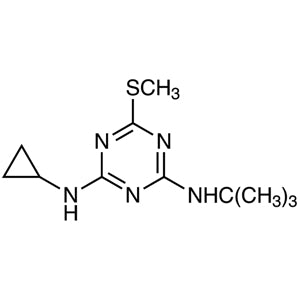
2-(tert-Butylamino)-4-(cyclopropylamino)-6-(methylthio)-1,3,5-triazine TCI I0842
Regular price From Rp 1.696.800,00Regular priceRp 1.202.250,00Sale price From Rp 1.696.800,00 -
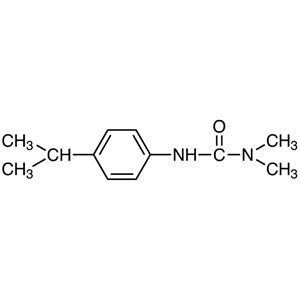
Isoproturon TCI I0843
Regular price From Rp 1.351.350,00Regular priceRp 960.750,00Sale price From Rp 1.351.350,00 -
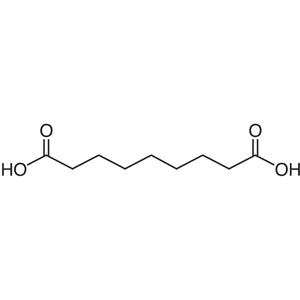
AzelaicAcid TCI A0561
Regular price From Rp 557.550,00Regular priceRp 405.300,00Sale price From Rp 557.550,00 -
AbieticAcid TCI A0001
Regular price From Rp 1.563.450,00Regular priceRp 1.108.800,00Sale price From Rp 1.563.450,00 -
Sulfentrazone TCI U0110
Regular price From Rp 2.464.350,00Regular priceRp 1.738.800,00Sale price From Rp 2.464.350,00 -
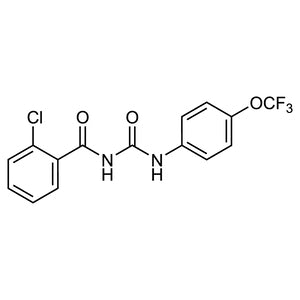
Triflumuron TCI T4364
Regular price From Rp 1.272.600,00Regular priceRp 905.100,00Sale price From Rp 1.272.600,00 -
Tralopyril TCI T4109
Regular price From Rp 2.782.500,00Regular priceRp 1.961.400,00Sale price From Rp 2.782.500,00