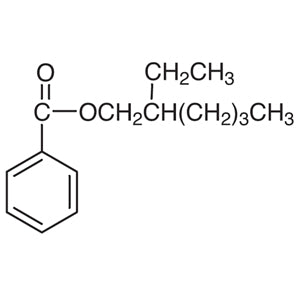
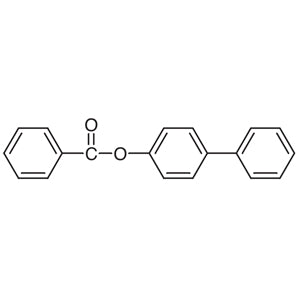
Butyl Benzoate (TCI B0066), with CAS number 136-60-7, is a versatile chemical compound widely used in laboratory settings, particularly in organic synthesis. As a non-heterocyclic building block, it serves as a fundamental component in the creation of aromatic compounds and esters. Its role in the laboratory is crucial for researchers aiming to develop new chemical structures or conduct analytical studies. This compound is valued for its chemical stability and reactivity, making it a reliable choice for various experimental applications.
One of the key reasons for its popularity is its non-polar nature and solubility in organic solvents such as ethyl acetate and chloroform. These properties make it ideal for reactions requiring non-polar environments or for the synthesis of hydrophobic compounds. Additionally, its stability under normal laboratory conditions ensures consistent performance, reducing the risk of degradation during experiments. Its low toxicity in normal dosages also contributes to its widespread use in both research and educational settings.
In Indonesian laboratories, Butyl Benzoate is commonly used in chemical research, especially in the fields of organic synthesis, analytical chemistry, and pharmaceutical development. It is also utilized in educational institutions to help students understand chemical reactions and the behavior of organic compounds. Its reliability and ease of use make it a preferred material for both academic and industrial applications.
- Organic synthesis where Butyl Benzoate serves as a building block for creating aromatic ester derivatives due to its reactivity and structural versatility.
- Analytical chemistry experiments that require a non-polar solvent for sample dissolution and chromatographic analysis.
- Pharmaceutical research applications where the compound is used in the development of new drug compounds with hydrophobic properties.
- Educational laboratories where it is employed to demonstrate esterification reactions and the behavior of organic compounds.
- Industrial chemical processes that need a stable, non-toxic compound for the production of specialty chemicals and perfumes.
| Brand | TCI |
|---|---|
| CAS number | 136-60-7 |
| Molecular formula | — |
| Purity | — |
| Category | Chemistry > Building Blocks > Non-Heterocyclic Building Blocks |
| Pack sizes | Available in various quantities as per standard laboratory supply formats |
| Physical form | Liquid |
| Storage | Store in a cool, dry place away from direct sunlight and incompatible materials |
Butyl Benzoate should be stored in a cool, dry location, away from direct sunlight and sources of heat. It is recommended to keep the compound in a tightly sealed container to prevent evaporation and contamination. As a non-polar liquid, it should be stored separately from reactive or incompatible substances to ensure safety. Proper ventilation is essential when handling the material to minimize exposure. In laboratory settings, it should be handled with appropriate personal protective equipment, such as gloves and safety goggles, to ensure safe usage and compliance with standard safety protocols.
—
Produk Terkait
-
Methyl3,4,5-Tris(benzyloxy)benzoate TCI T1870
Regular price Rp 1.510.950,00Regular priceRp 1.072.050,00Sale price Rp 1.510.950,00 -
Methyl3-(Bromomethyl)benzoate TCI B2224
Regular price From Rp 1.908.900,00Regular priceRp 1.350.300,00Sale price From Rp 1.908.900,00 -
Methyl4-(Bromomethyl)benzoate TCI B2053
Regular price From Rp 1.405.950,00Regular priceRp 998.550,00Sale price From Rp 1.405.950,00 -
AllylBenzoate TCI B2041
Regular price Rp 2.702.700,00Regular priceRp 1.905.750,00Sale price Rp 2.702.700,00 -
2-EthylhexylBenzoate TCI B1977
Regular price Rp 2.730.000,00Regular priceRp 1.924.650,00Sale price Rp 2.730.000,00 -
4-BiphenylBenzoate TCI B1866
Regular price From Rp 1.272.600,00Regular priceRp 905.100,00Sale price From Rp 1.272.600,00 -
3-Methyl-2-butenylBenzoate TCI B1409
Regular price Rp 2.121.000,00Regular priceRp 1.498.350,00Sale price Rp 2.121.000,00 -
4-ChlorobutylBenzoate TCI B1399
Regular price From Rp 822.150,00Regular priceRp 590.100,00Sale price From Rp 822.150,00