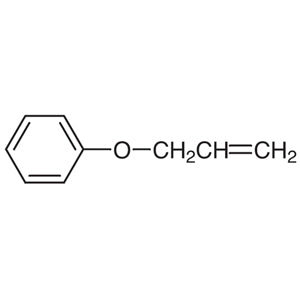
Dibenzyl ether is an organic chemical compound widely used in various laboratory reactions. As a fundamental building block in organic chemistry, it plays a crucial role in the synthesis of complex molecules. It is commonly employed in substitution and oxidation reactions due to its stable molecular structure and controlled reactivity. This compound is highly valued in research settings for its versatility and reliability in chemical processes. Its chemical neutrality ensures minimal risk of unwanted side reactions, making it a preferred choice for many researchers.
Dibenzyl ether is known for its stable molecular structure and predictable chemical behavior. Its neutral chemical properties make it compatible with a wide range of reagents, reducing the likelihood of unexpected reactions. Additionally, it has a relatively high boiling point, which enhances its stability during storage and use in laboratory environments. These characteristics contribute to its popularity among chemists working on synthetic pathways and molecular design. Its non-toxic and odorless nature further supports its safe use in laboratory settings.
In Indonesian laboratories, Dibenzyl ether is frequently utilized in organic chemistry research, particularly in the synthesis of heterocyclic and aromatic compounds. Its reliability and chemical stability make it a go-to material for researchers aiming to develop new compounds and explore chemical reactions. Its availability in various packaging options ensures that it can be easily integrated into experimental workflows, supporting both academic and industrial research efforts.
- Organic synthesis is a key application where Dibenzyl ether is used for its stable structure and controlled reactivity, allowing precise chemical modifications.
- Heterocyclic compound synthesis benefits from Dibenzyl ether's ability to participate in substitution reactions, aiding in the formation of complex ring structures.
- Aromatic compound synthesis relies on Dibenzyl ether's chemical neutrality, ensuring minimal interference during reaction processes.
- Oxidation reactions utilize Dibenzyl ether as a versatile building block, providing a stable starting material for various synthetic pathways.
- Substitution reactions benefit from Dibenzyl ether's predictable behavior, making it a reliable reagent for targeted chemical transformations.
| Brand | TCI |
|---|---|
| CAS number | 103-50-4 |
| Molecular formula | — |
| Purity | — |
| Category | Chemistry > Building Blocks > Non-Heterocyclic Building Blocks |
| Pack sizes | Available in multiple packaging options for laboratory use |
| Physical form | Liquid |
| Storage | Store in a cool, dry place away from direct sunlight |
Dibenzyl ether should be stored in a cool, dry place away from direct sunlight to maintain its chemical stability. It is recommended to use sealed containers to prevent exposure to air and moisture, which could affect its properties. Due to its chemical neutrality, it is generally compatible with most laboratory storage conditions, but it should be kept away from incompatible materials. Proper labeling and safe handling practices are essential to ensure the safety of laboratory personnel. Its non-toxic and odorless nature contributes to a safer working environment, making it suitable for routine use in chemical research settings.
—
Produk Terkait
-
EthyleneGlycolDibenzylEther TCI D0160
Regular price From Rp 1.405.950,00Regular priceRp 982.800,00Sale price From Rp 1.405.950,00 -
N,N'-Dibenzyl-4,13-diaza-18-crown6-Ether TCI D2321
Regular price From Rp 2.889.600,00Regular priceRp 2.035.950,00Sale price From Rp 2.889.600,00 -
AmylEther TCI A0451
Regular price From Rp 1.749.300,00Regular priceRp 1.223.250,00Sale price From Rp 1.749.300,00 -
AllylPhenylEther TCI A0234
Regular price From Rp 1.140.300,00Regular priceRp 796.950,00Sale price From Rp 1.140.300,00 -
AllylGlycidylEther TCI A0221
Regular price From Rp 477.750,00Regular priceRp 333.900,00Sale price From Rp 477.750,00 -
VanillylButylEther TCI V0161
Regular price From Rp 928.200,00Regular priceRp 664.650,00Sale price From Rp 928.200,00 -
o-Tolyl3,5-XylylEther TCI T2213
Regular price From Rp 3.683.400,00Regular priceRp 2.575.650,00Sale price From Rp 3.683.400,00 -
TetraethyleneGlycolMonobenzylEther TCI T1997
Regular price From Rp 3.365.250,00Regular priceRp 2.368.800,00Sale price From Rp 3.365.250,00