N-(2-Bromoethyl)phthalimide is a chemical compound widely used as a building block in the synthesis of complex organic compounds. It plays a crucial role in laboratory settings where organic chemists aim to create molecules with specific functional groups or structural features. This compound is particularly valuable for its versatility in undergoing substitution and electrophilic reactions, making it a key component in the development of heterocyclic and complex molecular structures. Its presence in various synthetic pathways highlights its importance in both academic and industrial research environments.
The compound's stable chemical structure and controlled reactivity make it a preferred choice for researchers seeking reliable and predictable outcomes in their experiments. Its ability to participate in a range of chemical reactions, including those involving free radicals, enhances its utility in diverse synthetic strategies. The high purity and consistent quality of N-(2-Bromoethyl)phthalimide ensure that it meets the rigorous demands of scientific research, especially in fields requiring precision and accuracy. These properties contribute to its widespread use in both basic and applied research.
In Indonesian laboratories, N-(2-Bromoethyl)phthalimide is frequently utilized by researchers and students working in organic chemistry and pharmaceutical sciences. Its availability and reliable quality make it an essential reagent for those engaged in synthetic chemistry, drug development, and material science. The compound's role in supporting scientific innovation underscores its significance in the Indonesian research community.
- Organic synthesis applications benefit from its reactivity and versatility in forming complex molecular structures.
- Pharmaceutical research utilizes it for the development of new drugs and bioactive compounds.
- Material science experiments leverage its properties to create advanced chemical materials.
- Educational institutions use it as a teaching tool for students learning synthetic chemistry techniques.
- Industrial research employs it for the production of specialty chemicals and functional compounds.
| Brand | TCI |
|---|---|
| CAS number | 574-98-1 |
| Molecular formula | — |
| Purity | — |
| Category | Chemistry > Building Blocks > Non-Heterocyclic Building Blocks |
| Pack sizes | Available in various quantities as per standard laboratory supply |
| Physical form | Solid |
| Storage | Store in a cool, dry place away from light and moisture |
N-(2-Bromoethyl)phthalimide should be stored in a cool, dry place, away from direct light and moisture to maintain its chemical stability. It is recommended to use airtight containers to prevent exposure to air and humidity, which could affect its quality. In laboratory settings, it should be handled with appropriate personal protective equipment to ensure safety. The compound is generally non-hazardous under normal conditions but should be stored separately from incompatible substances. Regular monitoring of storage conditions ensures the compound remains suitable for use in research applications. Proper labeling and secure storage are essential to prevent accidental contamination or misuse.
—
Produk Terkait
-
2-BromoethylAcetate TCI A0023
Regular price From Rp 1.431.150,00Regular priceRp 1.000.650,00Sale price From Rp 1.431.150,00 -
N-(4-Bromophenyl)phthalimide TCI B2707
Regular price From Rp 2.782.500,00Regular priceRp 1.961.400,00Sale price From Rp 2.782.500,00 -
4-(2-Bromoethyl)benzoicAcid TCI B1944
Regular price From Rp 5.777.100,00Regular priceRp 4.055.100,00Sale price From Rp 5.777.100,00 -
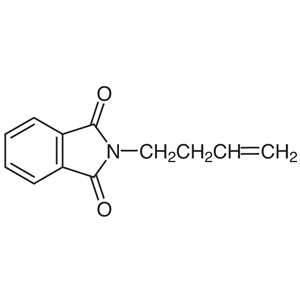
N-(3-Buten-1-yl)phthalimide TCI B1881
Regular price Rp 7.949.550,00Regular priceRp 5.574.450,00Sale price Rp 7.949.550,00 -
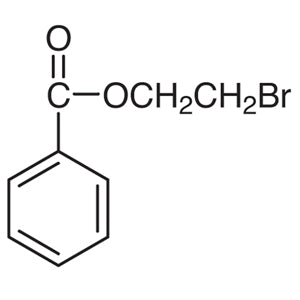
2-BromoethylBenzoate TCI B0065
Regular price Rp 6.333.600,00Regular priceRp 4.444.650,00Sale price Rp 6.333.600,00 -
PhthalimidePotassiumSalt TCI P0403
Regular price From Rp 610.050,00Regular priceRp 442.050,00Sale price From Rp 610.050,00 -
Phthalimide TCI P0402
Regular price From Rp 582.750,00Regular priceRp 423.150,00Sale price From Rp 582.750,00 -
N-(2-Hydroxyethyl)phthalimide TCI H0245
Regular price From Rp 742.350,00Regular priceRp 534.450,00Sale price From Rp 742.350,00