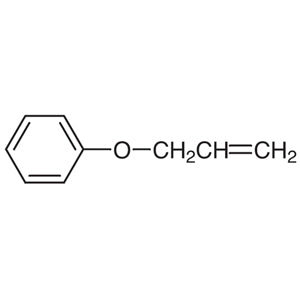
4-Bromodiphenyl Ether is a chemical compound widely used as a building block in the synthesis of complex organic compounds. It plays a crucial role in organic chemistry laboratories, where it serves as a versatile intermediate for various chemical transformations. This compound is particularly valued for its stability and reactivity, making it a key component in the development of new materials and pharmaceuticals. Its unique structure, featuring a diphenyl ether backbone with a bromine substituent, allows it to participate in a range of chemical reactions, including electrophilic substitution processes. This makes it an essential tool for researchers working on synthetic pathways that require controlled functionalization of aromatic rings.
The compound's chemical properties, such as its solubility in organic solvents like ethyl acetate and chloroform, enhance its usability in laboratory settings. These solubility characteristics facilitate efficient processing, purification, and reaction steps. Additionally, its non-corrosive nature ensures that it can be safely handled in controlled environments without posing significant risks to laboratory equipment or personnel. Its stability under normal storage conditions further supports its reliability as a consistent and dependable reagent in chemical synthesis.
In Indonesian laboratories, 4-Bromodiphenyl Ether is commonly used in organic chemistry research, especially in academic and industrial settings. It is a preferred choice for scientists working on projects related to pharmaceutical development, material science, and analytical chemistry. Its availability and chemical versatility make it a relevant and practical option for researchers seeking to explore new synthetic routes and compound structures.
- Organic synthesis is a primary application for 4-Bromodiphenyl Ether, as it serves as a versatile building block for creating complex organic molecules through electrophilic substitution reactions.
- Pharmaceutical research benefits from this compound due to its ability to participate in functional group transformations, aiding in the development of new drug candidates with specific molecular structures.
- Material science applications leverage its chemical stability and reactivity to synthesize advanced materials with tailored properties for industrial and technological uses.
- Analytical chemistry uses this compound as a standard reference for chromatographic and spectroscopic analyses, ensuring accurate identification and quantification of related compounds.
- Environmental studies may incorporate it to investigate the behavior and degradation pathways of brominated aromatic compounds in various ecosystems.
| Brand | TCI |
|---|---|
| CAS number | 101-55-3 |
| Molecular formula | — |
| Purity | — |
| Category | Chemistry > Building Blocks > Non-Heterocyclic Building Blocks |
| Pack sizes | Available in various quantities as per supplier specifications |
| Physical form | Solid, typically in crystalline or powder form |
| Storage | Store in a cool, dry place away from light and moisture |
4-Bromodiphenyl Ether should be stored in a cool, dry environment, away from direct sunlight and moisture to maintain its chemical integrity. It is recommended to use airtight containers made of glass or high-density polyethylene to prevent contamination and ensure long-term stability. Due to its non-corrosive nature, it does not require special protective measures for storage, but it should be kept out of reach of children and not exposed to incompatible substances. In a laboratory setting, proper ventilation and personal protective equipment, such as gloves and safety goggles, should be used when handling this compound to ensure safe and effective use. Regular inspection of storage conditions is advised to maintain optimal performance and safety standards.
—
Produk Terkait
-
AmylEther TCI A0451
Regular price From Rp 1.749.300,00Regular priceRp 1.223.250,00Sale price From Rp 1.749.300,00 -
AllylPhenylEther TCI A0234
Regular price From Rp 1.140.300,00Regular priceRp 796.950,00Sale price From Rp 1.140.300,00 -
AllylGlycidylEther TCI A0221
Regular price From Rp 477.750,00Regular priceRp 333.900,00Sale price From Rp 477.750,00 -
VanillylButylEther TCI V0161
Regular price From Rp 928.200,00Regular priceRp 664.650,00Sale price From Rp 928.200,00 -
o-Tolyl3,5-XylylEther TCI T2213
Regular price From Rp 3.683.400,00Regular priceRp 2.575.650,00Sale price From Rp 3.683.400,00 -
TetraethyleneGlycolMonobenzylEther TCI T1997
Regular price From Rp 3.365.250,00Regular priceRp 2.368.800,00Sale price From Rp 3.365.250,00 -
TriethyleneGlycolMonobenzylEther TCI T1996
Regular price From Rp 3.578.400,00Regular priceRp 2.517.900,00Sale price From Rp 3.578.400,00 -
TriethyleneGlycolMonoisopropylEther TCI T1373
Regular price Rp 4.531.800,00Regular priceRp 3.184.650,00Sale price Rp 4.531.800,00