Ethyl 3-Bromopropionate is a chemical compound widely used as a foundational building block in organic synthesis. It serves as a versatile intermediate in the creation of complex organic molecules, playing a crucial role in various chemical reactions within the laboratory. Its simple molecular structure enables it to participate in essential reactions such as nucleophilic substitution and elimination, making it a valuable tool for chemists. This compound is particularly useful in the development of heterocyclic compounds, esters, and other functionalized molecules. Its chemical properties allow it to be a key player in synthetic pathways that require controlled reactivity and specificity.
The compound is known for its chemical stability under certain conditions, yet it exhibits high reactivity towards strong bases and nucleophiles. This dual nature makes it an ideal choice for reactions that demand both reactivity and precision. Its ability to undergo a variety of chemical transformations provides chemists with a reliable and predictable material for their experiments. The compound’s reactivity also means that it must be handled with care to ensure safety and maintain its integrity throughout the synthesis process.
In Indonesian laboratories, Ethyl 3-Bromopropionate is commonly used in organic chemistry research conducted by universities and research institutions. It is a critical component in the development of new compounds with applications in pharmaceuticals, materials science, and chemical industries. Its availability in the local market supports ongoing research and innovation, making it an essential reagent for scientists working in these fields.
- Organic synthesis of heterocyclic compounds due to its reactivity in nucleophilic substitution reactions.
- Preparation of ester derivatives through esterification processes involving its brominated functionality.
- Development of functionalized molecules for pharmaceutical applications requiring controlled chemical transformations.
- Use in elimination reactions to form alkenes and other unsaturated compounds.
- Support for research in materials science for the synthesis of polymer precursors and specialty chemicals.
| Brand | TCI |
|---|---|
| CAS number | 539-74-2 |
| Molecular formula | — |
| Purity | — |
| Category | Chemistry > Building Blocks > Non-Heterocyclic Building Blocks |
| Pack sizes | Available in various quantities as per supplier specifications |
| Physical form | Liquid |
| Storage | Store in a cool, dry place away from light and incompatible materials |
Ethyl 3-Bromopropionate should be stored in a cool, dry environment, away from direct sunlight and sources of heat. It is recommended to keep the compound in a tightly sealed container made of materials compatible with its chemical nature, such as glass or high-density polyethylene. Due to its reactivity, it should be handled in a well-ventilated area, preferably under a fume hood, to minimize exposure. Lab personnel should wear appropriate personal protective equipment, including gloves and safety goggles, when handling this compound. It should be stored separately from strong bases and nucleophiles to prevent unintended reactions. Regular inspection of storage conditions and container integrity is essential to maintain the compound’s stability and safety.
—
Produk Terkait
-
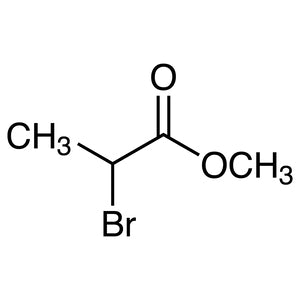
Methyl2-Bromopropionate TCI B1460
Regular price From Rp 822.150,00Regular priceRp 590.100,00Sale price From Rp 822.150,00 -
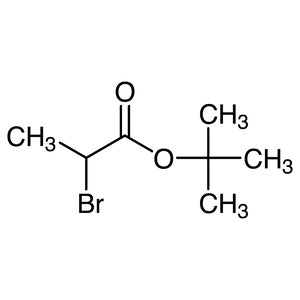
tert-Butyl2-Bromopropionate TCI B1277
Regular price From Rp 3.365.250,00Regular priceRp 2.368.800,00Sale price From Rp 3.365.250,00 -
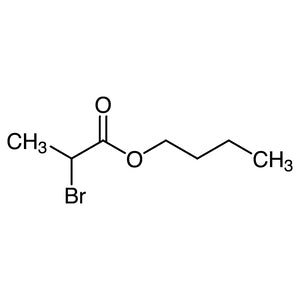
Butyl2-Bromopropionate TCI B1031
Regular price Rp 795.900,00Regular priceRp 572.250,00Sale price Rp 795.900,00 -
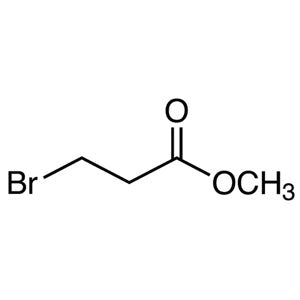
Methyl3-Bromopropionate TCI B0648
Regular price From Rp 1.538.250,00Regular priceRp 1.090.950,00Sale price From Rp 1.538.250,00 -
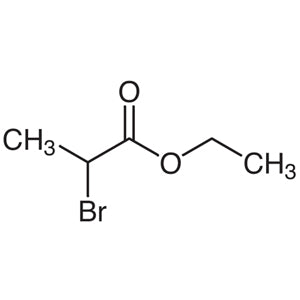
Ethyl2-Bromopropionate TCI B0646
Regular price From Rp 610.050,00Regular priceRp 442.050,00Sale price From Rp 610.050,00 -
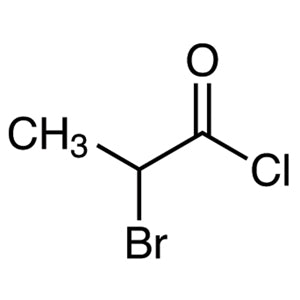
2-BromopropionylChloride TCI B4107
Regular price From Rp 2.147.250,00Regular priceRp 1.517.250,00Sale price From Rp 2.147.250,00 -
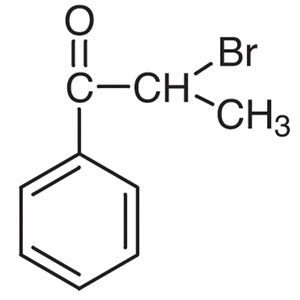
2-Bromopropiophenone TCI B2933
Regular price Rp 2.068.500,00Regular priceRp 1.461.600,00Sale price Rp 2.068.500,00 -
3-BromopropionylChloride TCI B2065
Regular price Rp 1.696.800,00Regular priceRp 1.202.250,00Sale price Rp 1.696.800,00