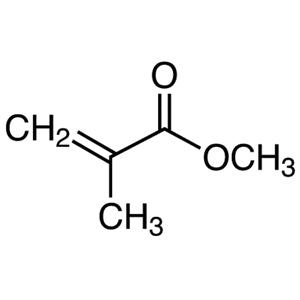
6-tert-Butyl-2,4-xilenol is a chemical compound widely used in laboratory settings for the synthesis of complex molecules. As a building block in organic chemistry, it serves as a versatile intermediate in various chemical reactions. Its role is crucial in the development of new compounds, particularly in research focused on aromatic structures and their derivatives. This compound is commonly found in both academic and industrial laboratories, where it is used to create more intricate chemical structures through substitution and oxidation reactions.
The compound's chemical stability and moderate reactivity make it a preferred choice for chemists working on synthetic pathways. Its predictable behavior under different reaction conditions allows for reliable outcomes in laboratory experiments. Additionally, its molecular structure is well-defined, which facilitates accurate identification and processing in controlled environments. These properties contribute to its widespread use in both research and development applications.
In Indonesian laboratories, 6-tert-Butyl-2,4-xilenol is frequently utilized in organic chemistry research, especially in the synthesis of aromatic compounds and their derivatives. It is also a valuable component in pharmaceutical and food chemistry studies, where its ability to participate in relevant chemical reactions supports the development of new products. Its availability in various packaging options makes it suitable for use in both small and medium-scale laboratory operations.
TCI brochures (PDF)
- Polymer Additives 2026-04-16 · p. 7
Related TCI products
- TCI D0941 128-39-2 2,6-Di-tert-butylphenol
- TCI D0228 128-37-0 2,6-Di-tert-butyl-p-cresol
- TCI M1810 6386-38-5 Methyl 3-(3,5-Di-tert-butyl-4-hydroxyphenyl)propionate
- TCI H1741 148081-72-5 4-(Hexyloxy)-2,3,6-trimethylphenol
- TCI D1811 489-01-0 2,6-Di-tert-butyl-4-methoxyphenol [Oxidation inhibitor]
- TCI D0940 88-58-4 2,5-Di-tert-butylhydroquinone
- Organic synthesis of aromatic compounds due to its structural versatility and reactivity in substitution reactions.
- Pharmaceutical research for the development of new drug molecules through oxidation and functional group modification.
- Food chemistry applications in the creation of flavor compounds and aroma-related substances.
- Chemical analysis in laboratory settings for the identification and characterization of complex organic mixtures.
- Industrial research and development for the production of specialty chemicals and intermediates.
| Brand | TCI |
|---|---|
| CAS number | 1879-09-0 |
| Molecular formula | — |
| Purity | — |
| Category | Chemistry > Building Blocks > Non-Heterocyclic Building Blocks |
| Pack sizes | Available in various sizes suitable for laboratory use |
| Physical form | Liquid |
| Storage | Store in a cool, dry place away from light and incompatible substances |
This compound should be stored in a cool, dry environment, away from direct sunlight and sources of heat. It is recommended to use sealed containers made of glass or high-density polyethylene to prevent contamination and maintain chemical integrity. Due to its potential reactivity, it should be kept away from strong oxidizing agents and incompatible materials. Proper ventilation is essential when handling this compound to minimize exposure. Laboratory personnel should wear appropriate personal protective equipment, including gloves and safety goggles, to ensure safe handling. Regular monitoring of storage conditions is advised to maintain the compound's stability and effectiveness in experimental applications.
—
Produk Terkait
-
2,6-Di-tert-butylphenol TCI D0941
Regular price From Rp 582.750,00Regular priceRp 423.150,00Sale price From Rp 582.750,00 -
2,6-Di-tert-butyl-p-cresol TCI D0228
Regular price From Rp 530.250,00Regular priceRp 386.400,00Sale price From Rp 530.250,00 -
Methyl3-(3,5-Di-tert-butyl-4-hydroxyphenyl)propionate TCI M1810
Regular price From Rp 610.050,00Regular priceRp 442.050,00Sale price From Rp 610.050,00 -
4-(Hexyloxy)-2,3,6-trimethylphenol TCI H1741
Regular price From Rp 2.252.250,00Regular priceRp 1.590.750,00Sale price From Rp 2.252.250,00 -
2,6-Di-tert-butyl-4-methoxyphenol[Oxidationinhibitor] TCI D1811
Regular price Rp 4.743.900,00Regular priceRp 3.332.700,00Sale price Rp 4.743.900,00 -
2,5-Di-tert-butylhydroquinone TCI D0940
Regular price From Rp 610.050,00Regular priceRp 442.050,00Sale price From Rp 610.050,00 -
MethylMethacrylate(stabilizedwith6-tert-Butyl-2,4-xylenol) TCI M0087
Regular price From Rp 452.550,00Regular priceRp 316.050,00Sale price From Rp 452.550,00 -
p-XylenolBlue TCI X0016
Regular price From Rp 689.850,00Regular priceRp 497.700,00Sale price From Rp 689.850,00