


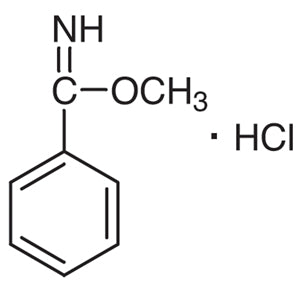
Methyl Benzimidate Hydrochloride is a chemical compound widely used in laboratory settings for the synthesis of heterocyclic compounds, particularly benzimidates. As a key building block in organic chemistry, it serves as a versatile intermediate in various synthetic pathways. Its structural framework allows it to participate in a range of chemical reactions, making it an essential component in the development of pharmaceuticals, pesticides, and industrial chemicals. In research and development, this compound plays a crucial role in the creation of new compounds with specific functional properties.
This compound is known for its chemical stability and solubility in organic solvents such as ethyl acetate and acetone. These properties make it highly suitable for use in a variety of chemical reactions without significant degradation. Its high reactivity further enhances its applicability in synthetic processes, allowing for efficient and reliable outcomes. The ease of handling and consistent performance in laboratory conditions contribute to its popularity among chemists and researchers.
In Indonesian laboratories, Methyl Benzimidate Hydrochloride is frequently utilized by researchers in the fields of chemistry and pharmacy. It is a preferred choice due to its availability and cost-effectiveness, making it accessible for both academic and industrial research. Its role in the synthesis of bioactive compounds supports ongoing efforts in drug discovery and development, particularly in the creation of antifungal agents and other therapeutic compounds.
Related TCI products
- Synthesis of benzimidate compounds for the development of antifungal agents due to its structural similarity and reactivity.
- Substitution reactions in organic synthesis to create complex molecular structures with high yield and purity.
- Cycloaddition reactions for the formation of heterocyclic frameworks used in pharmaceutical and agrochemical applications.
- Intermediate in the preparation of pharmaceutical compounds requiring benzimidate moieties for biological activity.
- Support in the development of industrial chemicals through its role as a building block in various synthetic routes.
| Brand | TCI |
|---|---|
| CAS number | 5873-90-5 |
| Molecular formula | — |
| Purity | — |
| Category | Chemistry > Building Blocks > Non-Heterocyclic Building Blocks |
| Pack sizes | Available in various quantities as per standard laboratory supply |
| Physical form | Solid powder |
| Storage | Store in a cool, dry place away from moisture and direct sunlight |
Methyl Benzimidate Hydrochloride should be stored in a cool, dry environment to maintain its chemical stability. It is recommended to keep the compound in a sealed container to prevent exposure to moisture and air. Suitable containers include glass or high-density polyethylene vessels to ensure compatibility and prevent contamination. In laboratory settings, it is important to handle the compound with care, using appropriate personal protective equipment such as gloves and safety goggles. Avoid direct contact with skin and inhalation of vapors. Ensure proper ventilation when working with this compound to minimize exposure risks. The compound should not be stored near incompatible materials such as strong acids or bases. Regular inspection of storage conditions is advised to ensure long-term stability and safety.
—
Produk Terkait
-
EthylBenzimidateHydrochloride TCI B3774
Regular price From Rp 1.140.300,00Regular priceRp 812.700,00Sale price From Rp 1.140.300,00

