N-(3-Bromopropyl)phthalimide is a chemical compound widely used as a building block in the synthesis of complex organic compounds. It plays a crucial role in laboratory settings where the creation of heterocyclic structures or functionalized molecules is required. Its molecular structure allows for various chemical reactions, including substitution, addition, and coupling reactions, making it a versatile reagent in synthetic chemistry. This compound is particularly valuable for researchers aiming to modify molecular frameworks with high reactivity and specificity.
The compound is chemically stable under certain conditions but highly reactive in various reaction environments. This reactivity makes it a preferred choice for applications requiring high chemical activity. Its solubility in organic solvents further enhances its usability, as it simplifies handling and processing in laboratory procedures. These properties contribute to its popularity among chemists working on advanced synthetic routes and functional group transformations.
In Indonesian laboratories, N-(3-Bromopropyl)phthalimide is extensively used in organic chemistry research, especially in the development of pharmaceutical compounds and industrial chemicals. Its ability to participate in multiple reaction types and its compatibility with various synthetic strategies make it an essential component in the pursuit of complex molecular structures. Its role is particularly significant in projects involving molecular modification and functional group introduction.
- Synthesis of Heterocyclic Compounds: This compound is ideal for creating complex ring structures due to its reactive nature and ability to undergo substitution reactions.
- Functional Group Modification: Its brominated side chain allows for easy introduction of various functional groups, making it suitable for targeted molecular modifications.
- Organic Synthesis in Pharmaceutical Research: It is frequently used in the development of new drug molecules due to its versatility in forming diverse chemical structures.
- Industrial Chemical Production: The compound's reactivity and solubility make it a valuable reagent in the synthesis of specialty chemicals and intermediates.
- Structural Elaboration in Organic Chemistry: It is used to build complex molecular frameworks, supporting research into advanced synthetic methodologies.
| Brand | TCI |
|---|---|
| CAS number | 5460-29-7 |
| Molecular formula | — |
| Purity | — |
| Category | Chemistry > Building Blocks > Non-Heterocyclic Building Blocks |
| Pack sizes | Available in various quantities as per standard laboratory supply |
| Physical form | Solid |
| Storage | Store in a cool, dry place away from light and moisture |
N-(3-Bromopropyl)phthalimide should be stored in a cool, dry environment, away from direct light and moisture to maintain its chemical stability. It is recommended to use airtight containers made of glass or high-density polyethylene to prevent exposure to air and moisture. Due to its reactivity, it should be handled in a well-ventilated area, preferably under a fume hood, to minimize inhalation risks. Avoid contact with incompatible materials such as strong oxidizing agents. Always wear appropriate personal protective equipment, including gloves, safety goggles, and a lab coat, when handling this compound. Proper storage and handling practices ensure the safety of laboratory personnel and the integrity of the compound during use.
—
Produk Terkait
-
3-BromopropylAcetate TCI B5650
Regular price Rp 1.696.800,00Regular priceRp 1.186.500,00Sale price Rp 1.696.800,00 -
N-(4-Bromophenyl)phthalimide TCI B2707
Regular price From Rp 2.782.500,00Regular priceRp 1.961.400,00Sale price From Rp 2.782.500,00 -
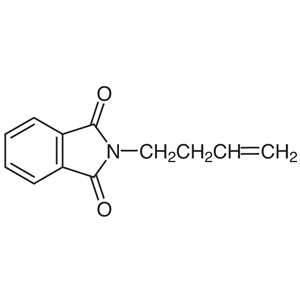
N-(3-Buten-1-yl)phthalimide TCI B1881
Regular price Rp 7.949.550,00Regular priceRp 5.574.450,00Sale price Rp 7.949.550,00 -
PhthalimidePotassiumSalt TCI P0403
Regular price From Rp 610.050,00Regular priceRp 442.050,00Sale price From Rp 610.050,00 -
Phthalimide TCI P0402
Regular price From Rp 582.750,00Regular priceRp 423.150,00Sale price From Rp 582.750,00 -
N-(2-Hydroxyethyl)phthalimide TCI H0245
Regular price From Rp 742.350,00Regular priceRp 534.450,00Sale price From Rp 742.350,00 -
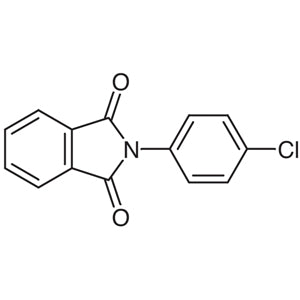
N-(4-Chlorophenyl)phthalimide TCI C1958
Regular price From Rp 1.431.150,00Regular priceRp 1.016.400,00Sale price From Rp 1.431.150,00 -
N-(6-Bromohexyl)phthalimide TCI B4987
Regular price From Rp 2.969.400,00Regular priceRp 2.091.600,00Sale price From Rp 2.969.400,00