2-Bromooctane (557-35-7) is an organic compound widely used in chemical reactions as a building block or reagent. It plays a crucial role in synthetic chemistry, particularly in the preparation of complex organic molecules. Its simple molecular structure makes it a versatile intermediate in various chemical processes. In laboratory settings, it is commonly employed in substitution and elimination reactions, especially in the synthesis of haloalkanes. This compound is valued for its ability to participate in multiple reaction pathways, making it a fundamental component in organic synthesis.
The chemical properties of 2-Bromooctane make it a preferred choice for laboratory use. It exhibits stability under certain conditions but is highly reactive towards nucleophilic reagents. This reactivity allows it to be easily transformed into other compounds through various chemical reactions. Its availability in pure form and appropriate concentration ensures reliability for consistent results. Additionally, its solubility properties make it suitable for use as a solvent in specific chemical processes. These characteristics contribute to its popularity among chemists working in both research and educational environments.
In Indonesian laboratories, 2-Bromooctane is frequently used in organic chemistry research, particularly in the synthesis of halogenated compounds. It is also utilized in educational settings to demonstrate fundamental chemical reactions and mechanisms. Its role in teaching and research underscores its importance as a key reagent in the chemical sciences. The compound's utility in both academic and industrial applications highlights its relevance in modern chemical practice.
Related TCI products
- TCI B0626 111-83-1 1-Bromooctane
- TCI D1064 4549-32-0 1,8-Dibromooctane
- TCI B1289 3377-87-5 3-Bromohexane (contains 2-Bromohexane) (stabilized with Copper chip)
- TCI B1235 3377-86-4 2-Bromohexane (contains 3-Bromohexane) (stabilized with Copper chip)
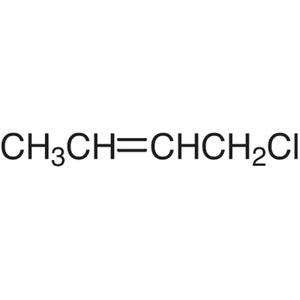
- TCI C1686 591-97-9 Crotyl Chloride (cis- and trans- mixture, contains 38% 3-Chloro-1-butene at maximum)
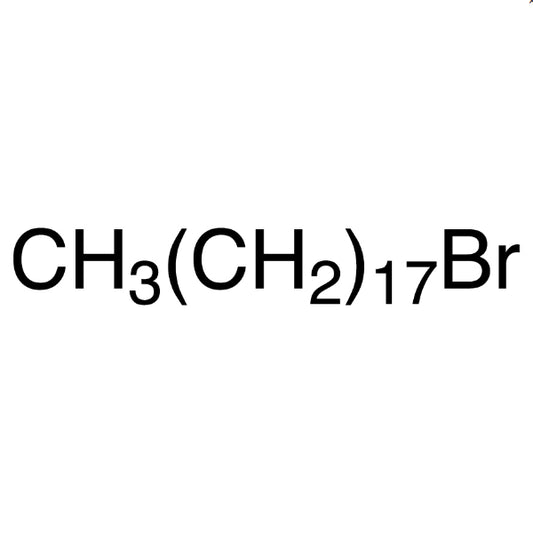
- TCI B0625 112-89-0 1-Bromooctadecane
- Organic synthesis is a key application where 2-Bromooctane is used to create complex organic molecules through substitution and elimination reactions.
- Halogenation reactions benefit from 2-Bromooctane as it provides a brominated carbon source for the synthesis of halogenated compounds.
- Solvent applications are common in chemical processes where 2-Bromooctane's solubility properties make it suitable for dissolving various reactants.
- Educational demonstrations often use 2-Bromooctane to illustrate nucleophilic substitution and elimination mechanisms in organic chemistry.
- Research in halogenated compound development relies on 2-Bromooctane as a reliable and versatile starting material for synthetic pathways.
| Brand | TCI |
|---|---|
| CAS number | 557-35-7 |
| Molecular formula | — |
| Purity | — |
| Category | Chemistry > Building Blocks > Non-Heterocyclic Building Blocks |
| Pack sizes | Available in various quantities as per supplier specifications |
| Physical form | Liquid |
| Storage | Store in a cool, dry place away from direct sunlight and incompatible materials |
2-Bromooctane should be stored in a cool, dry environment, away from direct sunlight and sources of heat. It is recommended to use airtight containers made of materials compatible with organic solvents, such as glass or high-density polyethylene. The compound should be kept away from incompatible substances like strong oxidizers and strong bases. In laboratory settings, proper ventilation is essential to minimize exposure to vapors. Always handle the compound with appropriate personal protective equipment, including gloves and safety goggles. Regular monitoring of storage conditions ensures the compound remains stable and safe for use in chemical experiments.
—
Produk Terkait
-
1-Bromooctane TCI B0626
Regular price From Rp 452.550,00Regular priceRp 316.050,00Sale price From Rp 452.550,00 -
1,8-Dibromooctane TCI D1064
Regular price From Rp 1.749.300,00Regular priceRp 1.223.250,00Sale price From Rp 1.749.300,00 -
3-Bromohexane(contains2-Bromohexane)(stabilizedwithCopperchip) TCI B1289
Regular price Rp 7.023.450,00Regular priceRp 4.910.850,00Sale price Rp 7.023.450,00 -
2-Bromohexane(contains3-Bromohexane)(stabilizedwithCopperchip) TCI B1235
Regular price Rp 3.763.200,00Regular priceRp 2.631.300,00Sale price Rp 3.763.200,00 -
CrotylChloride(cis-andtrans-mixture,contains38%3-Chloro-1-buteneatmaximum) TCI C1686
Regular price From Rp 689.850,00Regular priceRp 481.950,00Sale price From Rp 689.850,00 -
1-Bromooctadecane TCI B0625
Regular price From Rp 452.550,00Regular priceRp 316.050,00Sale price From Rp 452.550,00 -
8-BromooctanoicAcid TCI B1675
Regular price Rp 2.093.700,00Regular priceRp 1.479.450,00Sale price Rp 2.093.700,00 -
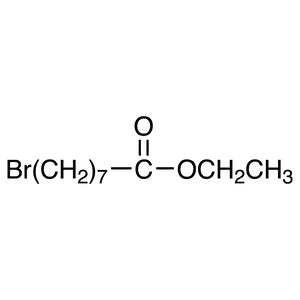
Ethyl8-Bromooctanoate TCI B6430
Regular price From Rp 980.700,00Regular priceRp 701.400,00Sale price From Rp 980.700,00