1,4-Bisbenzil is a chemical compound widely utilized in laboratory settings for the synthesis of complex molecules. It serves as a fundamental building block in organic chemistry, providing a versatile platform for various chemical reactions. This compound is particularly valuable in the development of heterocyclic compounds and other complex structures due to its unique molecular framework. Its presence in laboratory research enables chemists to explore new synthetic pathways and create novel compounds with specific functional properties.
The stability and reactivity of 1,4-Bisbenzil make it a preferred choice for many synthetic processes. Its symmetric molecular structure allows for high reactivity in different reaction mechanisms, such as substitution and covalent bonding. The compound is chemically stable under normal conditions, which ensures consistency in experimental results. However, it can react with strong reagents like alkali metals, strong acids, or electrophilic compounds, making it essential to handle it with appropriate care. These properties contribute to its widespread use in both academic and industrial research environments.
In Indonesian laboratories, 1,4-Bisbenzil is commonly used in organic chemistry research, especially in the synthesis of new compounds or the modification of existing ones. It is a critical component in educational and research institutions that focus on chemical synthesis and molecular design. Its availability in solid form and ease of use make it a practical choice for both teaching and experimental purposes. This compound plays a vital role in advancing chemical knowledge and innovation in the Indonesian scientific community.
- Organic synthesis of heterocyclic compounds due to its symmetric structure and reactivity.
- Development of new chemical compounds through substitution and covalent bonding reactions.
- Research in molecular design and modification of existing compounds for industrial applications.
- Educational use in teaching chemical synthesis techniques to undergraduate and graduate students.
- Support for advanced chemical research in academic and industrial laboratories requiring precise building blocks.
| Brand | TCI |
|---|---|
| CAS number | 3363-97-1 |
| Molecular formula | — |
| Purity | — |
| Category | Chemistry > Building Blocks > Non-Heterocyclic Building Blocks |
| Pack sizes | Available in various quantities as per standard laboratory supply |
| Physical form | Solid |
| Storage | Store in a cool, dry place away from strong reagents and moisture |
1,4-Bisbenzil should be stored in a cool, dry environment to maintain its chemical stability. It is recommended to keep the compound in a sealed container to prevent exposure to moisture and air. Due to its potential reactivity with strong acids and alkali metals, it should be stored separately from incompatible substances. Laboratory personnel should use appropriate personal protective equipment when handling this compound. The compound is best stored in a well-ventilated area to minimize any risk of inhalation. Regular inspection of storage conditions ensures the integrity of the material remains intact for experimental use.
—
Produk Terkait
-
TCI B5774 5,10-Bis(4,4,5,5-tetramethyl-1,3,2-dioxaborolan-2-yl)naphtho[1,2-c:5,6-c']bis([1,2,5]oxadiazole)
Regular price Rp 10.307.850,00Regular priceRp 7.224.000,00Sale price Rp 10.307.850,00 -
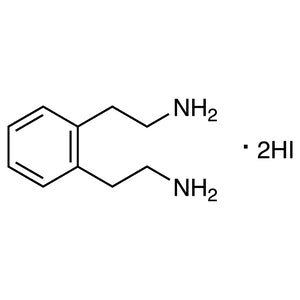
Dihydroiodide TCI B6569
Regular price From Rp 1.988.700,00Regular priceRp 1.405.950,00Sale price From Rp 1.988.700,00 -
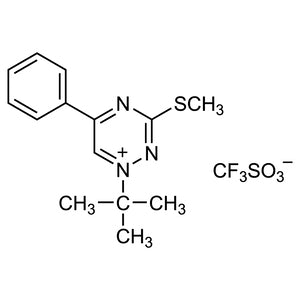
Trifluoromethanesulfonate TCI B7003
Regular price From Rp 1.988.700,00Regular priceRp 1.405.950,00Sale price From Rp 1.988.700,00