2,2,2-Trifluoroethyl Butyrate is a chemical compound widely used in organic synthesis applications within laboratory settings. As a fluorinated building block, it plays a crucial role in the development of complex molecules across various scientific disciplines. This compound is particularly valued for its unique reactivity and structural versatility, making it an essential tool for researchers working in pharmaceutical, material science, and organic chemistry fields. Its molecular structure, featuring a trifluoroethyl group, allows it to participate in a range of chemical reactions, including substitution and esterification, contributing to the synthesis of functionalized compounds with specific properties.
The compound’s high fluorine content gives it distinct polarity and reactivity compared to non-fluorinated analogs. These properties make it ideal for applications requiring controlled reactivity and stability. The presence of fluorine also influences its solubility and interaction with other reagents, which is critical in designing efficient synthetic pathways. Its unique chemical behavior enables researchers to tailor the properties of the final products, making it a preferred choice in the development of specialized materials and pharmaceutical intermediates.
In Indonesian laboratories, 2,2,2-Trifluoroethyl Butyrate is commonly used in organic chemistry research, especially in academic and research institutions. Its availability and reliability make it a go-to compound for synthetic chemists aiming to create compounds with specific functional groups or properties. It is frequently used in projects involving drug development, polymer synthesis, and advanced material design, supporting innovation in both academic and industrial research settings.
TCI brochures (PDF)
- Fluorination Reagents, Fluorinated Building Blocks 2026-03-18 · p. 51
Related TCI products
- TCI T4284 58244-27-2 Tris(2,2,2-trifluoroethyl)orthoformate
- TCI T3991 370-69-4 Tris(2,2,2-trifluoroethyl) Phosphite
- TCI T3422 406-95-1 2,2,2-Trifluoroethyl Acetate
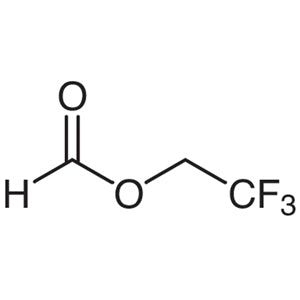
- TCI T2586 32042-38-9 2,2,2-Trifluoroethyl Formate
- TCI T1697 407-38-5 2,2,2-Trifluoroethyl Trifluoroacetate
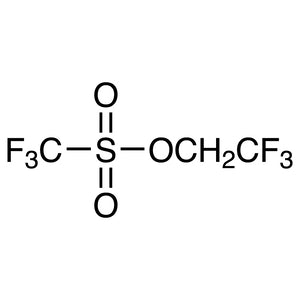
- TCI T1604 6226-25-1 2,2,2-Trifluoroethyl Trifluoromethanesulfonate
- Organic synthesis is a primary application where this compound serves as a versatile building block for creating complex molecules with tailored properties.
- Pharmaceutical research benefits from its reactivity and fluorinated structure, aiding in the development of novel drug candidates with enhanced stability and bioavailability.
- Material science applications leverage its unique polarity and reactivity to design advanced polymers and functional materials with specific chemical properties.
- Analytical chemistry uses it as a standard reference for testing and calibrating instruments, ensuring accurate and reproducible results in chemical analysis.
- Environmental studies incorporate it in the investigation of fluorinated compounds’ behavior and impact on ecosystems, supporting research on environmental chemistry and pollution.
| Brand | TCI |
|---|---|
| CAS number | 371-27-7 |
| Molecular formula | — |
| Purity | — |
| Category | Chemistry > Building Blocks > Fluorinated Building Blocks |
| Pack sizes | Available in various quantities as per supplier specifications |
| Physical form | Liquid |
| Storage | Store in a cool, dry place away from light and incompatible materials |
This compound should be stored in a cool, dry environment, away from direct sunlight and sources of heat. It is recommended to keep it in a tightly sealed container to prevent exposure to moisture and air. Due to its chemical nature, it should be stored separately from strong oxidizers and reactive materials to avoid potential chemical interactions. In laboratory settings, proper personal protective equipment, such as gloves and safety goggles, should be worn when handling the compound. It is important to ensure good ventilation in the workspace to minimize inhalation risks. Always follow standard laboratory safety protocols to maintain a safe working environment.
—
Produk Terkait
-
Tris(2,2,2-trifluoroethyl)orthoformate TCI T4284
Regular price From Rp 1.565.550,00Regular priceRp 1.094.100,00Sale price From Rp 1.565.550,00 -
Tris(2,2,2-trifluoroethyl)Phosphite TCI T3991
Regular price From Rp 1.538.250,00Regular priceRp 1.075.200,00Sale price From Rp 1.538.250,00 -
2,2,2-TrifluoroethylAcetate TCI T3422
Regular price From Rp 795.900,00Regular priceRp 556.500,00Sale price From Rp 795.900,00 -
2,2,2-TrifluoroethylFormate TCI T2586
Regular price From Rp 769.650,00Regular priceRp 537.600,00Sale price From Rp 769.650,00 -
2,2,2-TrifluoroethylTrifluoroacetate TCI T1697
Regular price Rp 2.147.250,00Regular priceRp 1.517.250,00Sale price Rp 2.147.250,00 -
2,2,2-TrifluoroethylTrifluoromethanesulfonate TCI T1604
Regular price From Rp 3.232.950,00Regular priceRp 2.260.650,00Sale price From Rp 3.232.950,00 -
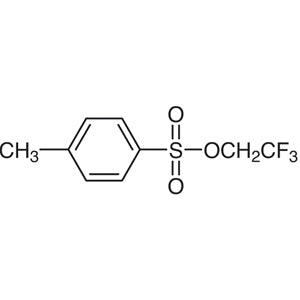
2,2,2-Trifluoroethylp-Toluenesulfonate TCI T1516
Regular price Rp 2.041.200,00Regular priceRp 1.426.950,00Sale price Rp 2.041.200,00 -
Bis(2,2,2-trifluoroethyl)Phosphite TCI B2627
Regular price From Rp 2.068.500,00Regular priceRp 1.445.850,00Sale price From Rp 2.068.500,00