4-Bromo-2,6-difluoroaniline is a chemical compound widely used as a building block in the synthesis of complex molecules, particularly in the fields of organic chemistry and pharmacology. This compound contains an aromatic ring with bromo and difluoro substituents, which contribute to its high reactivity and versatility in chemical reactions. Its structural stability and functional group compatibility make it a valuable reagent for researchers aiming to develop new compounds with specific biological activities. In the laboratory, it serves as a key intermediate in the creation of pharmaceuticals, agrochemicals, and other specialized chemical products.
The compound’s unique chemical properties, including its polar nature and solubility in organic solvents such as ethyl acetate and acetone, make it a preferred choice for synthetic chemists. Its ability to participate in substitution, reduction, and coupling reactions allows for the construction of diverse molecular architectures. The presence of both bromo and fluoro groups enhances its reactivity and provides opportunities for further functionalization. These characteristics make it an essential tool for those working on complex chemical syntheses.
In Indonesian laboratories, 4-Bromo-2,6-difluoroaniline is commonly used by researchers in organic chemistry, pharmaceutical development, and industrial chemical synthesis. Its role in creating bioactive compounds and specialized materials makes it a staple in academic and industrial research settings. The compound’s reliability and chemical versatility ensure its continued use in a wide range of scientific applications.
TCI brochures (PDF)
- Fluorination Reagents, Fluorinated Building Blocks 2026-03-18 · p. 29
- Organic synthesis applications benefit from this compound’s reactivity and structural versatility, enabling the creation of complex molecules with tailored properties.
- Pharmaceutical research relies on its ability to participate in substitution and coupling reactions, supporting the development of new drug candidates.
- Industrial chemical production utilizes its stability and solubility in organic solvents, making it suitable for large-scale synthesis processes.
- Fluorinated compound studies leverage its difluoro substituents for exploring the effects of fluorine in molecular reactivity and biological activity.
- Functional group modification projects take advantage of its aromatic ring and bromo group for further chemical transformations and derivatization.
| Brand | TCI |
|---|---|
| CAS number | 67567-26-4 |
| Molecular formula | — |
| Purity | — |
| Category | Chemistry > Building Blocks > Fluorinated Building Blocks |
| Pack sizes | Available in various quantities as per supplier specifications |
| Physical form | Solid or powder, depending on the batch and packaging |
| Storage | Store in a cool, dry place away from light and moisture |
This compound should be stored in a cool, dry environment, away from direct light and moisture to maintain its chemical integrity. It is recommended to use airtight containers made of materials such as glass or polyethylene to prevent contamination and degradation. Due to its reactivity, it should be handled with care in a well-ventilated laboratory setting. Personal protective equipment, including gloves and safety goggles, should be worn when handling the compound. It is important to avoid contact with incompatible substances and to follow standard laboratory safety protocols to ensure safe usage and storage.
—
Produk Terkait
-
4-Bromo-3,5-difluoroaniline TCI B3416
Regular price From Rp 1.538.250,00Regular priceRp 1.075.200,00Sale price From Rp 1.538.250,00 -
4-Bromo-2,5-difluoroaniline TCI B2072
Regular price From Rp 795.900,00Regular priceRp 556.500,00Sale price From Rp 795.900,00 -
2-Bromo-4,6-difluoroaniline TCI B1288
Regular price Rp 1.485.750,00Regular priceRp 1.038.450,00Sale price Rp 1.485.750,00 -
2,3,4,5-Tetrafluoroaniline TCI T2782
Regular price From Rp 1.803.900,00Regular priceRp 1.261.050,00Sale price From Rp 1.803.900,00 -
3,4,5-Trifluoroaniline TCI T2355
Regular price From Rp 1.035.300,00Regular priceRp 723.450,00Sale price From Rp 1.035.300,00 -
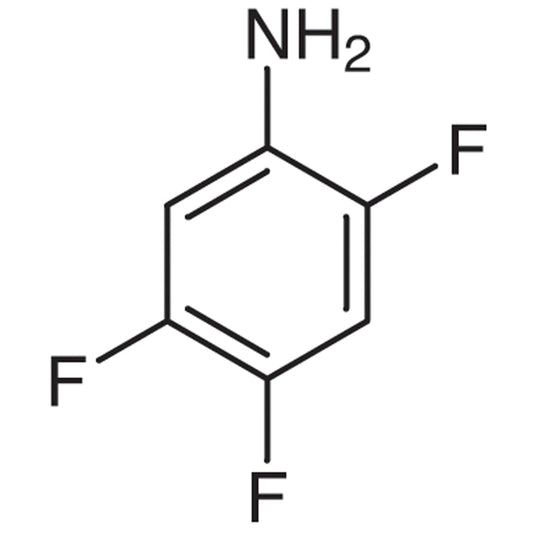
2,4,5-Trifluoroaniline TCI T1645
Regular price Rp 3.155.250,00Regular priceRp 2.206.050,00Sale price Rp 3.155.250,00 -
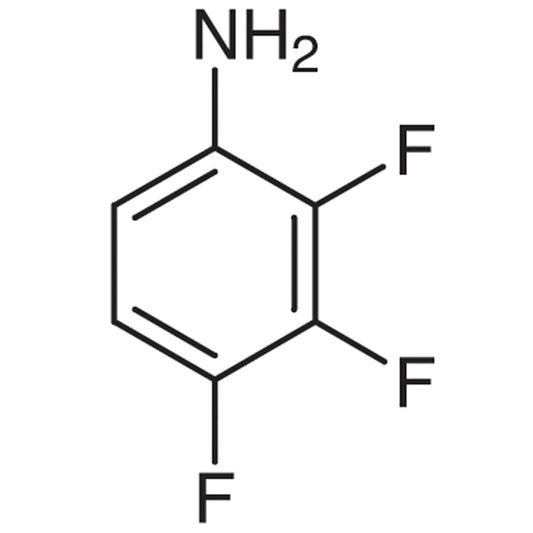
2,3,4-Trifluoroaniline TCI T1385
Regular price From Rp 769.650,00Regular priceRp 537.600,00Sale price From Rp 769.650,00 -
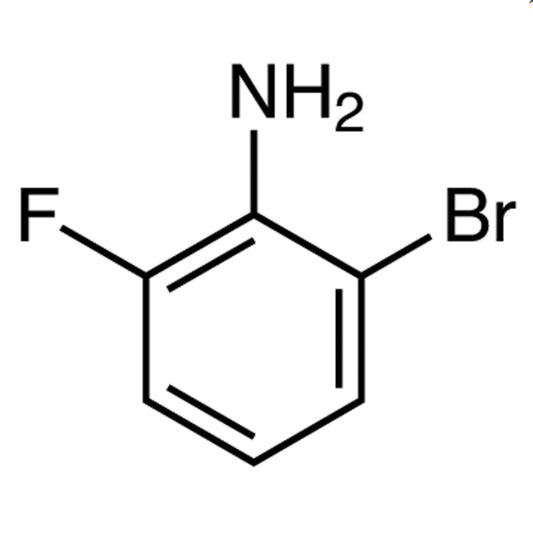
2-Bromo-6-fluoroaniline TCI B4803
Regular price From Rp 1.724.100,00Regular priceRp 1.205.400,00Sale price From Rp 1.724.100,00