(E)-5-(2-Bromovinyl)-2'-deoxyuridine is a chemical compound widely used in biomedical and pharmacological research. As a nucleotide analog, it plays a crucial role in laboratory settings by mimicking natural DNA components and interacting with enzymes involved in DNA synthesis. This compound is particularly valuable for studying viral replication mechanisms and evaluating antiviral drug efficacy. Its ability to integrate into DNA strands makes it a key tool in molecular biology and virology research.
One of the main reasons this compound is preferred is its chemical stability and specificity in binding to DNA. Its complex structure allows it to act as a potent inhibitor of viral replication, making it highly sought after in antiviral research. Additionally, it is compatible with various analytical techniques such as PCR and ELISA, enhancing its utility in laboratory workflows. These properties make it a versatile and reliable reagent for researchers.
In Indonesian laboratories, (E)-5-(2-Bromovinyl)-2'-deoxyuridine is commonly used in clinical and pharmacological studies. It is a key component in research focused on developing antiviral therapies and understanding the mechanisms of viral infections. Many research institutions and universities in Indonesia rely on this compound for advancing their studies in infectious diseases and drug development.
TCI brochures (PDF)
- Nucleosides, Nucleotides, Nucleic Acids and Related Reagents 2026-03-23 · p. 4
- Antimicrobials and Antitumor Agents for Research and Experimental Use 2025-04-24 · p. 12
- Pharmaceutical Ingredients for Research and Experimental Use 2026-03-09 · p. 12
- Antiviral Research - This compound is ideal for studying viral replication mechanisms due to its ability to inhibit DNA synthesis in infected cells.
- Molecular Biology Studies - Its compatibility with PCR and ELISA makes it suitable for nucleic acid analysis and genetic research.
- Drug Development - It is used to evaluate the efficacy of antiviral compounds by testing their ability to block viral replication.
- Virology Investigations - Its role as a DNA analog allows researchers to explore how viruses interact with host cell machinery.
- Clinical Research - It supports studies on the therapeutic potential of antiviral agents in treating infectious diseases.
| Brand | TCI |
|---|---|
| CAS number | 69304-47-8 |
| Molecular formula | — |
| Purity | — |
| Category | Life Science > Biochemicals and Reagents > Antibiotics |
| Pack sizes | Available in various quantities as per standard laboratory requirements |
| Physical form | Solid powder |
| Storage | Store in a cool, dry place away from direct sunlight |
This compound should be stored in a cool, dry environment, away from direct sunlight and sources of heat. It is recommended to keep it in a sealed container to prevent moisture absorption and contamination. Due to its chemical nature, it should be handled with care using appropriate personal protective equipment, such as gloves and safety goggles. Avoid exposure to incompatible substances and ensure proper ventilation in the laboratory. Regular monitoring of storage conditions is advised to maintain its stability and effectiveness for research purposes.
—
Product Categories
- Biochemicals and ReagentsAntibioticsAntibiotics (by Application)
- Biochemicals and ReagentsNucleosides, Nucleotides, OligonucleotidesNucleoside Analogs
- Biochemicals and ReagentsPharmaceutical Research Reagents (for Experimental Use)Antiviral Research Reagents (for Experimental Use)
- MicrobiologyAntibioticsAntibiotics (by Application)
- Pharmaceutical Development and Drug Discovery ResearchPharmaceutical Research Reagents (for Experimental Use)Antiviral Research Reagents (for Experimental Use)
- Pharmaceutical Development and Drug Discovery ResearchAntibioticsAntibiotics (by Application)
Produk Terkait
-
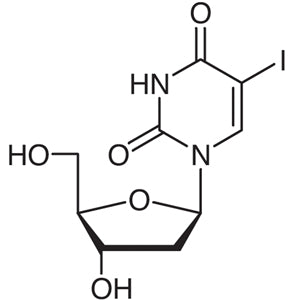
5-Iodo-2'-deoxyuridine TCI I0258
Regular price From Rp 1.749.300,00Regular priceRp 1.239.000,00Sale price From Rp 1.749.300,00 -
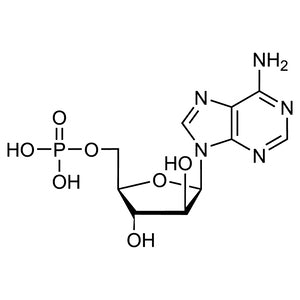
VidarabineMonophosphate TCI V0205
Regular price From Rp 2.411.850,00Regular priceRp 1.702.050,00Sale price From Rp 2.411.850,00 -
ValganciclovirHydrochloride TCI V0158
Regular price From Rp 1.618.050,00Regular priceRp 1.146.600,00Sale price From Rp 1.618.050,00 -
ValacyclovirHydrochloride TCI V0111
Regular price From Rp 2.147.250,00Regular priceRp 1.517.250,00Sale price From Rp 2.147.250,00 -
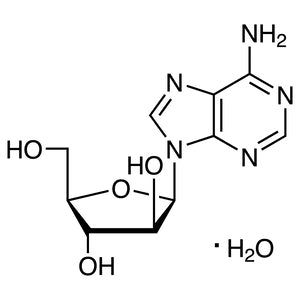
VidarabineMonohydrate TCI V0098
Regular price From Rp 3.710.700,00Regular priceRp 2.610.300,00Sale price From Rp 3.710.700,00 -
Telbivudine TCI T4158
Regular price Rp 2.411.850,00Regular priceRp 1.702.050,00Sale price Rp 2.411.850,00 -
Tubercidin TCI T4110
Regular price Rp 10.547.250,00Regular priceRp 7.390.950,00Sale price Rp 10.547.250,00 -
TenofovirDisoproxilFumarate TCI T4062
Regular price Rp 4.028.850,00Regular priceRp 2.832.900,00Sale price Rp 4.028.850,00