2-Benzylacrylic Acid is a chemical compound widely used in laboratory settings for the synthesis of complex organic molecules. As a building block in chemical reactions, it serves as a key precursor in the formation of more intricate molecular structures. This compound is commonly found in chemical laboratories, where it is utilized as a foundational material for the creation of various organic compounds. Its versatility makes it an essential reagent in both research and industrial applications.
The compound is known for its stable molecular structure and high reactivity, which are key factors in its popularity among chemists. It readily reacts with a variety of reagents, including acids, bases, and catalysts, making it suitable for a wide range of chemical processes. These properties allow it to be effectively used in reactions such as esterification and polymerization. Its chemical behavior is highly predictable, which enhances its reliability in laboratory experiments.
In Indonesian laboratories, 2-Benzylacrylic Acid is frequently used in both pure and applied chemical research. Researchers from universities and research institutions rely on this compound for experiments that require a dependable and consistent chemical building block. Its application spans various fields, including pharmaceutical development and industrial chemical synthesis, where it plays a crucial role in the creation of specialized compounds.
- Organic synthesis applications benefit from this compound's reactivity and structural versatility, enabling the creation of complex molecules.
- Pharmaceutical research utilizes it as a precursor in the development of drug compounds due to its chemical stability and reactivity.
- Polymerization processes often incorporate this acid to form polymers with specific functional groups and desired properties.
- Industrial chemical synthesis relies on its role as a building block for the production of specialty chemicals and intermediates.
- Analytical chemistry experiments use it as a standard reference material for testing reaction conditions and reagent performance.
| Brand | TCI |
|---|---|
| CAS number | 5669-19-2 |
| Molecular formula | — |
| Purity | — |
| Category | Chemistry > Building Blocks > Non-Heterocyclic Building Blocks |
| Pack sizes | Available in various quantities to meet different laboratory needs |
| Physical form | Solid or liquid depending on the specific product variant |
| Storage | — |
This compound should be stored in a cool, dry, and well-ventilated area away from direct sunlight. It is recommended to use airtight containers made of glass or polyethylene to prevent contamination and maintain chemical integrity. Due to its reactivity, it should be handled with appropriate personal protective equipment, including gloves and safety goggles. Avoid exposure to moisture and incompatible substances such as strong bases. Proper labeling and storage conditions ensure the compound remains stable and safe for use in laboratory settings. Always follow standard chemical safety protocols to minimize risks during handling and experimentation.
—
Produk Terkait
-
N-Benzylacrylamide TCI B6288
Regular price Rp 2.439.150,00Regular priceRp 1.720.950,00Sale price Rp 2.439.150,00 -
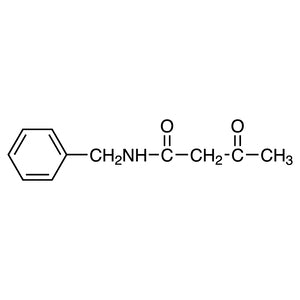
N-Benzylacetoacetamide TCI B2808
Regular price Rp 1.590.750,00Regular priceRp 1.127.700,00Sale price Rp 1.590.750,00 -
Ethyl2-Benzylacetoacetate TCI B2008
Regular price From Rp 662.550,00Regular priceRp 478.800,00Sale price From Rp 662.550,00 -
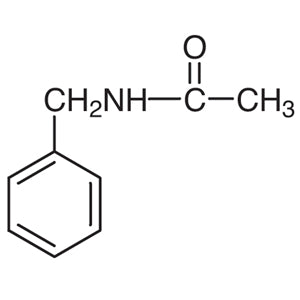
N-Benzylacetamide TCI B0404
Regular price From Rp 2.571.450,00Regular priceRp 1.813.350,00Sale price From Rp 2.571.450,00