1,3,5-Benzenetrimethanol is a chemical compound with a unique molecular structure featuring three methanol groups attached to the central carbon atoms of a benzene ring. This compound plays a vital role in laboratory research, particularly in the field of materials science. It is widely used as a building block for the synthesis of complex structures such as dendrimers and branched polymers. Its versatility makes it an essential reagent for developing materials with specific properties, including high solubility and controlled reactivity.
The compound's symmetric molecular structure and high reactivity make it a preferred choice for various chemical and material applications. It can readily form bonds with functional groups such as amines, carboxylic acids, and hydroxyl groups, enabling the creation of advanced materials with tailored properties. Its ability to interact with multiple functional groups enhances its utility in the synthesis of polymers and dendrimers, contributing to the development of new materials with enhanced performance.
In Indonesian laboratories, 1,3,5-Benzenetrimethanol is commonly used in polymer and macromolecule research. It is a key component in experiments involving dendrimer synthesis and the development of branched polymer structures. Its solubility in organic solvents also facilitates its use in various synthetic processes, making it a valuable tool for researchers working on advanced material development.
- Dendrimer Synthesis: This compound is widely used in dendrimer synthesis due to its ability to form complex branched structures, making it ideal for creating highly functionalized macromolecules.
- Polymer Development: Its reactivity and solubility make it suitable for the development of branched polymers with controlled architectures, enhancing material properties.
- Functional Group Modification: The compound's ability to bond with various functional groups allows for the modification of other molecules, enabling the creation of materials with specific chemical properties.
- Organic Synthesis Reactions: Its symmetric structure and reactivity make it a useful reagent in organic synthesis, supporting the creation of diverse chemical compounds.
- Material Characterization Studies: It is often used in studies that require the synthesis of materials with specific solubility and reactivity profiles for further analysis.
| Brand | TCI |
|---|---|
| CAS number | 4464-18-0 |
| Molecular formula | — |
| Purity | — |
| Category | Materials Science > Polymer/Macromolecule Reagents > Dendrimer Building Blocks |
| Pack sizes | Available in various quantities as per supplier specifications |
| Physical form | Solid or liquid, depending on the specific product variant |
| Storage | Store in a cool, dry place away from direct sunlight and incompatible materials |
This compound should be stored in a cool, dry environment, away from direct sunlight and sources of heat. It is recommended to use airtight containers to prevent exposure to moisture and air, which may affect its stability. Due to its reactivity, it should be kept separate from incompatible substances such as strong oxidizing agents or acids. In laboratory settings, it is important to handle the compound with appropriate personal protective equipment, including gloves and safety goggles, to ensure safe handling. Proper labeling of storage containers is essential to prevent accidental exposure and ensure safe access. Regular monitoring of storage conditions is advised to maintain the compound's integrity and effectiveness for research applications.
—
Product Categories
Produk Terkait
-
TCI B5774 5,10-Bis(4,4,5,5-tetramethyl-1,3,2-dioxaborolan-2-yl)naphtho[1,2-c:5,6-c']bis([1,2,5]oxadiazole)
Regular price Rp 10.307.850,00Regular priceRp 7.224.000,00Sale price Rp 10.307.850,00 -
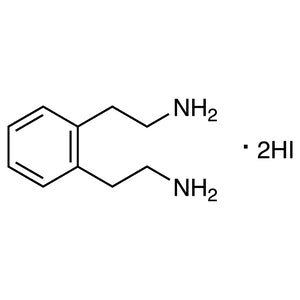
Dihydroiodide TCI B6569
Regular price From Rp 1.988.700,00Regular priceRp 1.405.950,00Sale price From Rp 1.988.700,00 -
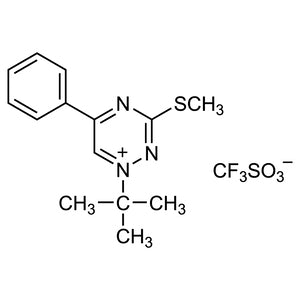
Trifluoromethanesulfonate TCI B7003
Regular price From Rp 1.988.700,00Regular priceRp 1.405.950,00Sale price From Rp 1.988.700,00