9,9'-Bifluorenyl is a chemical compound widely used as a building block in various chemical reactions, particularly in the synthesis of complex molecules. Its unique molecular structure consists of two fluorene rings connected by a carbon bond, making it an essential tool in organic chemistry laboratories. This compound is commonly utilized as a structural component in the development of organic compounds and polymers, where its stability and controlled reactivity are highly valued. Due to its versatile nature, 9,9'-Bifluorenyl is a preferred choice for researchers aiming to construct intricate molecular frameworks.
The chemical properties of 9,9'-Bifluorenyl, including its stability under normal conditions and its ability to react selectively with specific reagents, make it a reliable material for synthetic applications. Its symmetric molecular structure and central carbon atoms enable it to participate in substitution reactions and ring-opening processes, enhancing its utility in organic synthesis. These characteristics make it particularly relevant in the study of complex molecular structures and the development of advanced chemical compounds.
In Indonesian laboratories, 9,9'-Bifluorenyl is frequently used in organic chemistry research and the synthesis of complex compounds. It plays a crucial role in academic and industrial settings where the creation of new chemical structures is necessary. Its application extends to both research institutions and universities, contributing to the advancement of chemical sciences in the region.
TCI brochures (PDF)
- Fluorenes and Fluorenones 2026-04-15 · p. 3
- Organic synthesis applications benefit from 9,9'-Bifluorenyl due to its structural versatility and reactivity in forming complex molecular frameworks.
- It is ideal for polymer development as its molecular structure can be modified to create new materials with specific properties.
- The compound is widely used in research on functionalized organic compounds, where its stability and reactivity are key factors in synthetic pathways.
- In the field of medicinal chemistry, 9,9'-Bifluorenyl is employed to design and synthesize potential drug molecules with targeted biological activities.
- It supports the development of advanced materials in industrial settings, enabling the creation of high-performance polymers and coatings.
| Brand | TCI |
|---|---|
| CAS number | 1530-12-7 |
| Molecular formula | — |
| Purity | — |
| Category | Chemistry > Building Blocks > Non-Heterocyclic Building Blocks |
| Pack sizes | — |
| Physical form | — |
| Storage | Store in a cool, dry place away from direct sunlight |
9,9'-Bifluorenyl should be stored in a cool, dry environment to maintain its chemical stability. It is recommended to keep the compound in a tightly sealed container to prevent exposure to moisture and air. Since it is a synthetic chemical, it should be handled with care in a well-ventilated laboratory setting. Avoid direct contact with skin and eyes, and use appropriate personal protective equipment when working with it. Proper storage conditions ensure the compound remains effective for its intended applications. Always follow standard laboratory safety protocols to minimize risks associated with chemical handling.
—
Produk Terkait
-
9,9'-Bifluorenylidene TCI B1318
Regular price Rp 6.943.650,00Regular priceRp 4.855.200,00Sale price Rp 6.943.650,00 -
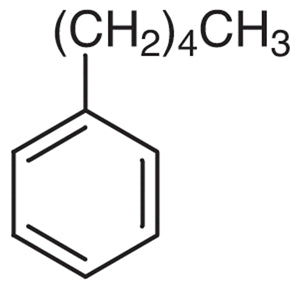
Amylbenzene TCI A0449
Regular price From Rp 1.353.450,00Regular priceRp 946.050,00Sale price From Rp 1.353.450,00 -
Anthracene TCI A0495
Regular price From Rp 584.850,00Regular priceRp 408.450,00Sale price From Rp 584.850,00 -
Acenaphthylene TCI A0005
Regular price From Rp 769.650,00Regular priceRp 537.600,00Sale price From Rp 769.650,00 -
Acenaphthene TCI A0003
Regular price From Rp 769.650,00Regular priceRp 537.600,00Sale price From Rp 769.650,00 -
9-Vinylanthracene TCI V0130
Regular price From Rp 2.545.200,00Regular priceRp 1.779.750,00Sale price From Rp 2.545.200,00 -
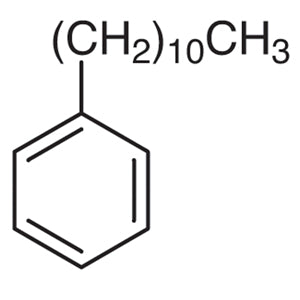
Undecylbenzene TCI U0010
Regular price From Rp 1.140.300,00Regular priceRp 796.950,00Sale price From Rp 1.140.300,00 -
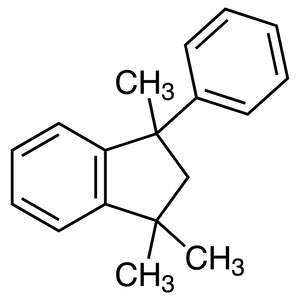
1,1,3-Trimethyl-3-phenylindane TCI T4097
Regular price From Rp 955.500,00Regular priceRp 667.800,00Sale price From Rp 955.500,00