7-Bromoheptanoic Acid (TCI B3671) is a chemical compound widely used in laboratory settings for the synthesis of complex molecules. This compound is a key building block in organic chemistry, particularly in reactions that require bromo substitution on carbon chains. Its molecular structure features a seven-carbon chain with a bromine atom attached at the seventh position, making it a versatile reagent for various synthetic pathways. Due to its reactivity and structural simplicity, it is frequently employed in the development of heterocyclic compounds, pharmaceuticals, and industrial chemicals.
The chemical properties of 7-Bromoheptanoic Acid make it a preferred choice in laboratory applications. It is stable under controlled conditions but remains sensitive to heat and ultraviolet light, which necessitates careful handling. The compound is soluble in organic solvents such as ethyl acetate and chloroform, enhancing its utility in reaction mixtures. Its ability to participate in a wide range of chemical reactions, including substitution and coupling reactions, makes it an essential reagent for researchers seeking high-quality building blocks.
In Indonesian laboratories, 7-Bromoheptanoic Acid is extensively used in organic chemistry, pharmaceutical research, and material science. Its availability through reliable suppliers like AMI Scientific ensures that researchers have access to a high-quality reagent. The compound’s stability and reactivity make it a valuable tool for both academic and industrial applications, supporting a broad spectrum of chemical investigations.
- Organic synthesis is a primary application where 7-Bromoheptanoic Acid is used to introduce bromo groups into carbon chains, enabling the creation of complex molecules.
- Pharmaceutical research benefits from this compound as it serves as a precursor for the development of new drugs, particularly in the synthesis of heterocyclic structures.
- Industrial chemical production relies on this reagent for the manufacture of specialty chemicals, where controlled bromo substitution is essential.
- Material science applications utilize the compound to create functional polymers and advanced materials with tailored properties.
- Analytical chemistry laboratories use it as a standard reference material for testing and calibration of chemical instruments and procedures.
| Brand | TCI |
|---|---|
| CAS number | 30515-28-7 |
| Molecular formula | — |
| Purity | — |
| Category | Chemistry > Building Blocks > Non-Heterocyclic Building Blocks |
| Pack sizes | Available in various quantities as per supplier specifications |
| Physical form | Solid or crystalline, depending on the batch |
| Storage | Store in a cool, dark place away from heat and direct sunlight |
7-Bromoheptanoic Acid should be stored in a cool, dark environment to prevent degradation due to heat and UV exposure. It is recommended to keep the compound in a tightly sealed container made of glass or high-density polyethylene to minimize exposure to moisture and air. Due to its reactivity, it should be handled in a well-ventilated area, preferably under a fume hood, to avoid inhalation of vapors. Avoid contact with incompatible materials such as strong bases or oxidizing agents. Always use appropriate personal protective equipment, including gloves, goggles, and a lab coat, when handling this compound. Proper storage and handling ensure the compound remains effective and safe for use in laboratory applications.
—
Produk Terkait
-
Ethyl7-Bromoheptanoate TCI B1880
Regular price From Rp 2.279.550,00Regular priceRp 1.609.650,00Sale price From Rp 2.279.550,00 -
3-Bromoheptane TCI B1234
Regular price Rp 3.843.000,00Regular priceRp 2.686.950,00Sale price Rp 3.843.000,00 -
1-Bromoheptane TCI B0598
Regular price Rp 664.650,00Regular priceRp 464.100,00Sale price Rp 664.650,00 -
1,7-Dibromoheptane TCI D2119
Regular price From Rp 3.127.950,00Regular priceRp 2.187.150,00Sale price From Rp 3.127.950,00 -
2-MethylheptanoicAcid TCI M1265
Regular price From Rp 1.272.600,00Regular priceRp 905.100,00Sale price From Rp 1.272.600,00 -
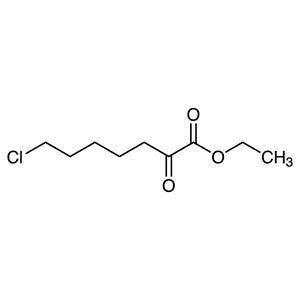
Ethyl7-Chloro-2-oxoheptanoate TCI E0827
Regular price From Rp 822.150,00Regular priceRp 590.100,00Sale price From Rp 822.150,00 -
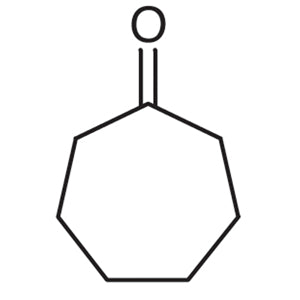
Cycloheptanone TCI C0466
Regular price From Rp 1.749.300,00Regular priceRp 1.239.000,00Sale price From Rp 1.749.300,00 -
[[(7-Bromoheptyl)oxy]methyl]benzene TCI B6162
Regular price Rp 3.630.900,00Regular priceRp 2.538.900,00Sale price Rp 3.630.900,00