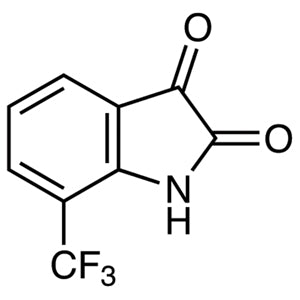
2,8-Bis(trifluoromethyl)-4-hydroxyquinoline is a chemical compound widely used in laboratory settings for the synthesis of complex organic molecules. As a fluorinated building block, it plays a crucial role in organic chemistry by enabling the creation of compounds with specific biological or chemical properties. Its quinoline core, modified with trifluoromethyl groups and a hydroxyl group, makes it a versatile intermediate in various synthetic pathways. This compound is particularly valuable for researchers aiming to develop new materials or pharmaceuticals with tailored functionalities.
The compound’s unique chemical properties make it a preferred choice in laboratory applications. The presence of fluorine atoms significantly influences its electronic characteristics, enhancing its reactivity and polarity. These features allow it to participate effectively in a range of chemical reactions, such as electrophilic substitution or nucleophilic attack. Additionally, its solubility in organic solvents like ethyl acetate and acetone facilitates efficient handling and integration into synthetic processes. These attributes contribute to its reliability and effectiveness in chemical synthesis.
In Indonesian laboratories, this compound is commonly used in research focused on organic chemistry and drug development. Its ability to serve as a building block for complex molecules makes it an essential tool for scientists working on projects involving bioactive compounds or novel chemical structures. Its stability and reactivity under controlled conditions further support its use in advanced chemical investigations.
TCI brochures (PDF)
- Fluorination Reagents, Fluorinated Building Blocks 2026-03-18 · p. 50
Related TCI products
- TCI T3076 52222-73-8 4-(Trifluoromethyl)pyrazole
- TCI T2998 762240-92-6 3-(Trifluoromethyl)-5,6,7,8-tetrahydro-[1,2,4]triazolo[4,3-a]pyrazine Hydrochloride
- TCI T2982 25371-96-4 1-[2-(Trifluoromethyl)phenyl]imidazole
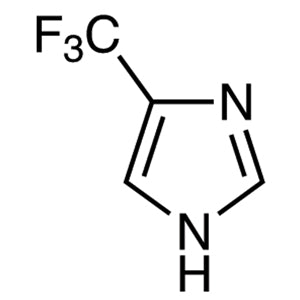
- TCI T2928 33468-69-8 4(5)-(Trifluoromethyl)imidazole
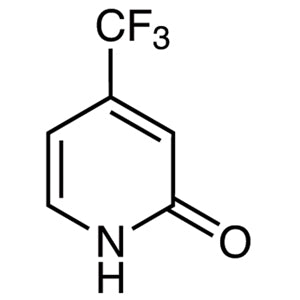
- TCI T2790 50650-59-4 4-(Trifluoromethyl)-2-pyridone
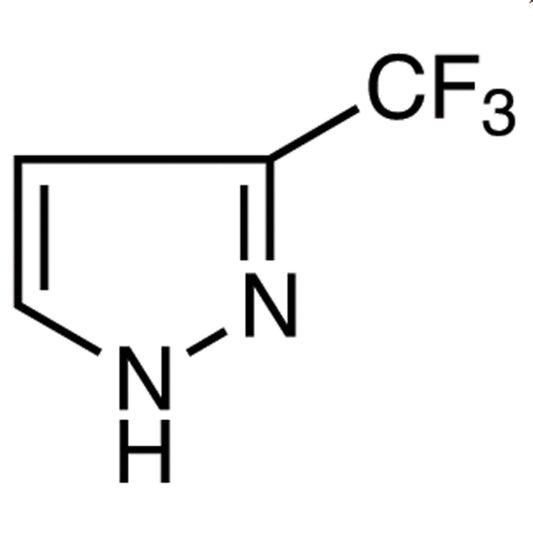
- TCI T2765 20154-03-4 3-(Trifluoromethyl)pyrazole
- Organic synthesis applications benefit from this compound’s reactivity and structural versatility, enabling the creation of complex molecules with desired properties.
- Pharmaceutical research utilizes it as a starting material for the development of bioactive compounds with potential therapeutic applications.
- Fluorinated compound studies leverage its unique electronic properties to investigate the effects of fluorine substitution on molecular behavior and reactivity.
- Material science projects incorporate it to design new materials with enhanced chemical or physical properties.
- Analytical chemistry applications use it as a standard for testing and characterizing fluorinated compounds in various chemical matrices.
| Brand | TCI |
|---|---|
| CAS number | 35853-41-9 |
| Molecular formula | — |
| Purity | — |
| Category | Chemistry > Building Blocks > Fluorinated Building Blocks |
| Pack sizes | Available in various quantities as per supplier specifications |
| Physical form | Solid |
| Storage | Store in a cool, dry place away from moisture and direct sunlight |
This compound should be stored in a cool, dry environment to maintain its chemical stability. It is recommended to use airtight containers to prevent exposure to moisture and air, which could affect its reactivity. Due to its fluorinated nature, it is important to handle it with care, using appropriate personal protective equipment such as gloves and safety goggles. It should be kept away from incompatible materials to avoid any potential chemical interactions. In laboratory settings, it is advisable to store it in a designated chemical storage area that complies with safety regulations. Proper labeling and documentation are essential for safe handling and management.
—
Produk Terkait
-
4-(Trifluoromethyl)pyrazole TCI T3076
Regular price From Rp 2.013.900,00Regular priceRp 1.423.800,00Sale price From Rp 2.013.900,00 -
3-(Trifluoromethyl)-5,6,7,8-tetrahydro-[1,2,4]triazolo[4,3-a]pyrazineHydrochloride TCI T2998
Regular price From Rp 955.500,00Regular priceRp 683.550,00Sale price From Rp 955.500,00 -
1-[2-(Trifluoromethyl)phenyl]imidazole TCI T2982
Regular price From Rp 1.140.300,00Regular priceRp 812.700,00Sale price From Rp 1.140.300,00 -
4(5)-(Trifluoromethyl)imidazole TCI T2928
Regular price Rp 3.843.000,00Regular priceRp 2.702.700,00Sale price Rp 3.843.000,00 -
4-(Trifluoromethyl)-2-pyridone TCI T2790
Regular price From Rp 1.696.800,00Regular priceRp 1.202.250,00Sale price From Rp 1.696.800,00 -
3-(Trifluoromethyl)pyrazole TCI T2765
Regular price From Rp 955.500,00Regular priceRp 683.550,00Sale price From Rp 955.500,00 -
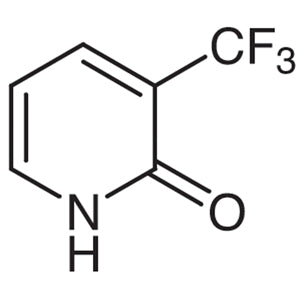
3-(Trifluoromethyl)-2-pyridone TCI T2600
Regular price From Rp 795.900,00Regular priceRp 572.250,00Sale price From Rp 795.900,00 -
7-(Trifluoromethyl)isatin TCI T2457
Regular price From Rp 742.350,00Regular priceRp 534.450,00Sale price From Rp 742.350,00