2-Bromobenzothiazole is a chemical compound widely used in organic reactions for the synthesis of heterocyclic compounds. It serves as a fundamental building block in chemical laboratories, enabling the creation of complex molecular structures. This compound plays a crucial role in substitution and cyclization reactions, particularly in the formation of benzothiazole derivatives. Its versatility makes it an essential component in the toolkit of chemists working on synthetic pathways involving heterocyclic systems.
The chemical properties of 2-Bromobenzothiazole make it a preferred choice for various synthetic applications. It exhibits stability under certain conditions, allowing for controlled reactions before undergoing further transformations. However, it is highly reactive towards bases, acids, and organic solvents, which makes it suitable for reactions requiring initial stability. These characteristics enable chemists to manipulate its reactivity in a controlled manner, enhancing the efficiency of synthetic processes.
In Indonesian laboratories, 2-Bromobenzothiazole is commonly used by researchers and scientists in applied research and chemical experiments. It is a fundamental requirement for laboratories focused on the synthesis of heterocyclic compounds. Its popularity in organic chemistry makes it a key material in both academic and industrial research settings, supporting the development of new chemical compounds and materials.
Related TCI products
- Synthesis of Heterocyclic Compounds: 2-Bromobenzothiazole is widely used for the preparation of benzothiazole derivatives due to its reactivity in cyclization reactions.
- Organic Reaction Mediation: The compound is suitable for substitution reactions where controlled reactivity is required, especially in the presence of bases or acids.
- Drug Development Research: It is frequently employed in the synthesis of pharmaceutical intermediates, contributing to the development of new therapeutic agents.
- Material Science Applications: The compound is used in the creation of functional materials, such as polymers and coatings, due to its chemical versatility.
- Analytical Chemistry Studies: It serves as a standard reference material in analytical procedures, aiding in the identification and quantification of related compounds.
| Brand | TCI |
|---|---|
| CAS number | 2516-40-7 |
| Molecular formula | — |
| Purity | — |
| Category | Chemistry > Building Blocks > Heterocyclic Building Blocks |
| Pack sizes | Available in various sizes as per supplier specifications |
| Physical form | Solid |
| Storage | Store in a cool, dry place away from light and incompatible materials |
2-Bromobenzothiazole should be stored in a cool, dry environment, away from direct sunlight and sources of heat. It is recommended to keep the compound in a sealed container to prevent exposure to moisture and air. Due to its reactivity, it should be handled with care, using appropriate personal protective equipment such as gloves and safety goggles. It is important to store it separately from strong acids, bases, and organic solvents to avoid unwanted chemical interactions. In laboratory settings, it should be kept in a well-ventilated area to minimize inhalation risks. Proper labeling and storage practices are essential to ensure safety and maintain the integrity of the compound during handling and use.
—
Produk Terkait
-
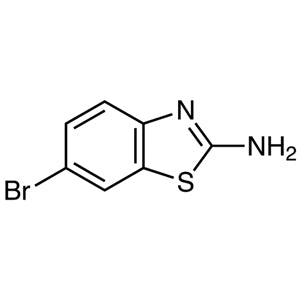
2-Amino-6-bromobenzothiazole TCI A2379
Regular price Rp 4.664.100,00Regular priceRp 3.277.050,00Sale price Rp 4.664.100,00 -
7-Bromobenzo[b]thiophene TCI B4829
Regular price From Rp 955.500,00Regular priceRp 683.550,00Sale price From Rp 955.500,00 -
5-Bromobenzo[b]naphtho[1,2-d]thiophene TCI B5940
Regular price From Rp 3.658.200,00Regular priceRp 2.573.550,00Sale price From Rp 3.658.200,00 -
3-Bromobenzo[b]thiophene TCI B5589
Regular price From Rp 1.723.050,00Regular priceRp 1.220.100,00Sale price From Rp 1.723.050,00 -
6-Bromobenzo[b]thiophene TCI B5523
Regular price Rp 3.445.050,00Regular priceRp 2.424.450,00Sale price Rp 3.445.050,00 -
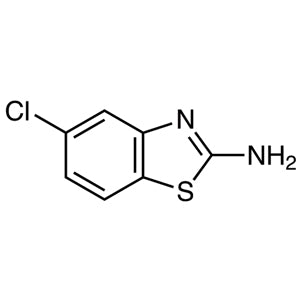
2-Amino-5-chlorobenzothiazole TCI A3177
Regular price From Rp 822.150,00Regular priceRp 590.100,00Sale price From Rp 822.150,00 -
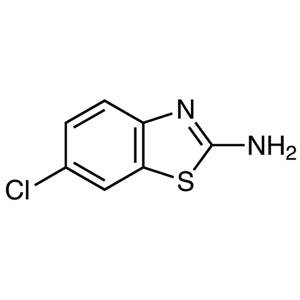
2-Amino-6-chlorobenzothiazole TCI A1216
Regular price Rp 900.900,00Regular priceRp 645.750,00Sale price Rp 900.900,00 -
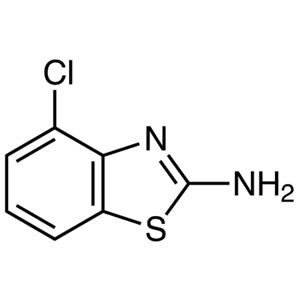
2-Amino-4-chlorobenzothiazole TCI A1087
Regular price From Rp 1.272.600,00Regular priceRp 905.100,00Sale price From Rp 1.272.600,00