5-Bromooxindole is a chemical compound widely used in organic reactions, particularly in the synthesis of heterocyclic compounds. It plays a crucial role in laboratory settings as a building block for creating complex molecular structures. Its unique chemical properties make it an essential tool for researchers aiming to develop new compounds with specific biological activities. This compound is commonly found in the category of heterocyclic building blocks, which are fundamental in the design of various pharmaceutical and organic molecules.
The reactivity of 5-Bromooxindole stems from its bromo group, which is highly reactive in nucleophilic substitution reactions. This characteristic makes it a preferred choice for chemists seeking to modify molecular structures efficiently. Its ability to participate in multiple chemical reactions, such as condensation and electrophilic reactions, further enhances its utility in synthetic chemistry. The compound’s stability under certain conditions also contributes to its reliability in laboratory applications.
In Indonesian laboratories, 5-Bromooxindole is frequently used in research focused on the development of new drugs and organic compounds. Its versatility and reactivity make it a valuable resource for scientists working on complex chemical syntheses. The compound is especially favored in projects that require precise control over reaction conditions and molecular modifications. Its role in the synthesis of alkaloids and other bioactive compounds underscores its importance in both academic and industrial research settings.
- Synthesis of Heterocyclic Compounds: 5-Bromooxindole is ideal for creating complex ring structures due to its reactivity and versatility in organic reactions.
- Drug Development Research: The compound is widely used in the synthesis of bioactive molecules, making it essential for pharmaceutical research in Indonesian labs.
- Organic Chemistry Experiments: Its ability to undergo various chemical transformations makes it a go-to reagent for students and researchers alike.
- Alkaloid Synthesis: 5-Bromooxindole is a key building block in the synthesis of alkaloids, which are important in medicinal chemistry.
- Custom Compound Production: Its reactivity allows for the efficient production of custom chemical compounds tailored for specific research needs.
| Brand | TCI |
|---|---|
| CAS number | 20870-78-4 |
| Molecular formula | — |
| Purity | — |
| Category | Chemistry > Building Blocks > Heterocyclic Building Blocks |
| Pack sizes | Available in various quantities as per supplier specifications |
| Physical form | Solid |
| Storage | Store in a cool, dry place away from light and moisture |
5-Bromooxindole should be stored in a cool, dry place, away from direct light and moisture to maintain its chemical stability. It is recommended to use airtight containers to prevent exposure to air and humidity, which may affect its reactivity. Laboratory personnel should handle the compound with care, using appropriate personal protective equipment such as gloves and safety goggles. Due to its reactive nature, it should be stored separately from incompatible substances to avoid potential chemical interactions. Proper labeling of storage containers is essential to ensure safe handling and prevent accidental exposure. The compound’s reactivity necessitates careful management in both storage and usage to ensure safety and effectiveness in laboratory applications.
—
Produk Terkait
-
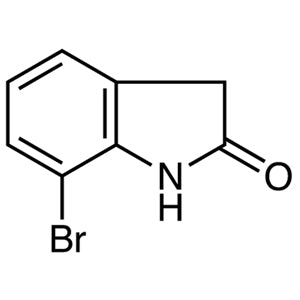
7-Bromooxindole TCI B5097
Regular price From Rp 822.150,00Regular priceRp 590.100,00Sale price From Rp 822.150,00 -
6-Bromooxindole TCI B3601
Regular price Rp 1.458.450,00Regular priceRp 1.035.300,00Sale price Rp 1.458.450,00 -
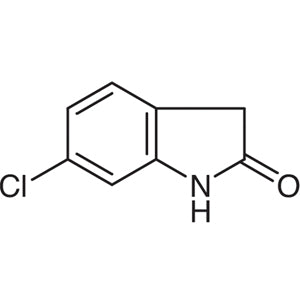
6-Chlorooxindole TCI C2024
Regular price From Rp 530.250,00Regular priceRp 386.400,00Sale price From Rp 530.250,00 -
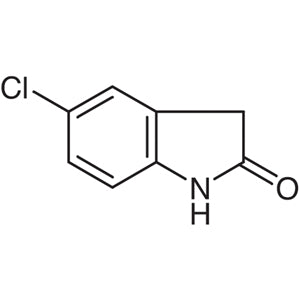
5-Chlorooxindole TCI C1509
Regular price From Rp 689.850,00Regular priceRp 497.700,00Sale price From Rp 689.850,00