Bromhexine Hydrochloride is a chemical compound widely used in pharmaceutical research and laboratory settings. It serves as a bronchodilator and expectorant, aiding in the thinning and removal of mucus from the respiratory tract. This compound plays a crucial role in experimental studies related to respiratory system functions and drug development. Its presence in laboratory research supports the evaluation of therapeutic agents designed to treat respiratory conditions. Due to its well-defined chemical properties, it is a reliable material for scientific investigations.
Bromhexine Hydrochloride is preferred for its chemical stability and solubility in both water and organic solvents. These properties make it versatile for various experimental applications, including drug formulation and bioavailability studies. Its ability to dissolve easily in aqueous solutions simplifies its use in a wide range of laboratory procedures. Additionally, its consistent performance in different reaction conditions ensures reproducibility in research outcomes, making it a trusted reagent in pharmaceutical and biochemical experiments.
In Indonesian laboratories, Bromhexine Hydrochloride is commonly used in pharmacological research, particularly in the development of respiratory-related medications. It is also integral to educational and research programs focused on respiratory diseases and therapeutic interventions. Its availability in solid form enhances its usability and storage convenience, supporting both academic and industrial research efforts.
TCI brochures (PDF)
- Pharmaceutical Ingredients for Research and Experimental Use 2026-03-09 · p. 43
- Pharmaceutical research for developing drugs targeting respiratory diseases due to its bronchodilating properties.
- Biochemical experiments involving mucus clearance and respiratory tract analysis for drug efficacy testing.
- Educational use in pharmacology and medicinal chemistry courses to demonstrate expectorant mechanisms.
- Drug formulation studies to assess solubility and bioavailability in aqueous and organic media.
- Respiratory disease modeling to evaluate therapeutic responses in experimental settings.
| Brand | TCI |
|---|---|
| CAS number | 611-75-6 |
| Molecular formula | — |
| Purity | — |
| Category | Life Science > Biochemicals and Reagents > Pharmaceutical Research Reagents |
| Pack sizes | Available in various quantities as per standard laboratory requirements |
| Physical form | Solid powder |
| Storage | Store in a cool, dry place away from direct sunlight and moisture |
Bromhexine Hydrochloride should be stored in a cool, dry environment to maintain its chemical stability. It is recommended to keep it in airtight containers to prevent moisture absorption, which could affect its solubility and effectiveness. Due to its solubility in water, it should be handled with care to avoid contamination. Laboratory personnel should ensure proper ventilation when working with this compound to minimize exposure. It is important to follow standard safety protocols when handling chemical reagents to ensure a safe and controlled experimental environment. Proper labeling and storage conditions are essential to maintain the integrity of the compound during research and experimentation.
—
Product Categories
Produk Terkait
-
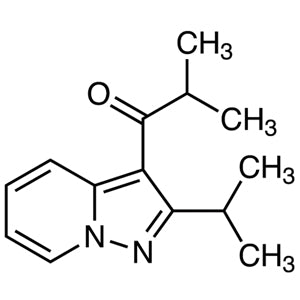
Ibudilast TCI I0740
Regular price From Rp 1.961.400,00Regular priceRp 1.387.050,00Sale price From Rp 1.961.400,00 -
IvabradineHydrochloride TCI I0847
Regular price From Rp 4.664.100,00Regular priceRp 3.277.050,00Sale price From Rp 4.664.100,00 -
Carbazochrome TCI A0176
Regular price From Rp 2.279.550,00Regular priceRp 1.609.650,00Sale price From Rp 2.279.550,00 -
L-Adrenaline TCI A0173
Regular price Rp 1.351.350,00Regular priceRp 960.750,00Sale price Rp 1.351.350,00 -
Zonisamide TCI Z0026
Regular price From Rp 2.199.750,00Regular priceRp 1.554.000,00Sale price From Rp 2.199.750,00 -
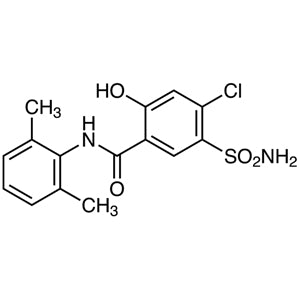
Xipamide TCI X0079
Regular price Rp 5.167.050,00Regular priceRp 3.628.800,00Sale price Rp 5.167.050,00 -
Xylazine TCI X0069
Regular price Rp 1.961.400,00Regular priceRp 1.387.050,00Sale price Rp 1.961.400,00 -
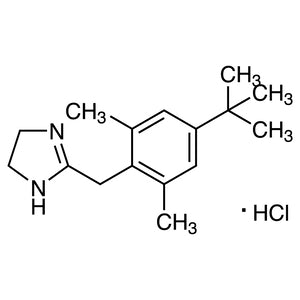
XylometazolineHydrochloride TCI X0063
Regular price From Rp 1.246.350,00Regular priceRp 887.250,00Sale price From Rp 1.246.350,00