Bufexamac is a chemical compound widely used in laboratory experiments, particularly in the fields of biochemistry and life sciences. It functions as an effective enzyme inhibitor, especially against protease enzymes. This compound plays a crucial role in controlling enzymatic activity during chemical reactions or biological processes. Its ability to inhibit specific enzymes makes it an essential tool for researchers aiming to modulate biochemical pathways. Bufexamac is commonly employed in experiments to study enzyme mechanisms and to prevent unwanted reactions that could interfere with experimental outcomes.
Bufexamac is valued for its chemical stability and solubility in certain organic solvents, which makes it versatile for various experimental setups. Its strong inhibitory properties against a range of enzymes make it a preferred choice in biochemical research. The compound’s non-reactive nature and ease of use further enhance its integration into different experimental protocols. These characteristics ensure that Bufexamac remains a reliable and efficient reagent in both academic and industrial research environments.
In Indonesian laboratories, Bufexamac is frequently used by researchers and educational institutions for biochemical, pharmacological, and biotechnological studies. Its availability in the local market facilitates access for scientists conducting experiments that require precise control over enzymatic activity. The compound’s role in supporting research and development makes it an important component in the laboratory supply chain within Indonesia.
TCI brochures (PDF)
- Lipid Mediator Research Reagents 2026-04-10 · p. 1
- Immune System, Inflammation, Allergy Research Reagents 2025-05-26 · p. 3
- Pharmaceutical Ingredients for Research and Experimental Use 2026-03-09 · p. 32
- Biochemical Research: Bufexamac is used to inhibit protease enzymes, allowing researchers to study enzyme mechanisms and their interactions in controlled environments.
- Enzyme Inhibition Studies: Its effectiveness as an enzyme inhibitor makes it ideal for experiments aimed at understanding enzyme activity and inhibition pathways.
- Pharmacological Testing: Bufexamac helps in assessing the impact of enzyme inhibitors on drug metabolism and biological processes, supporting drug development studies.
- Biotechnological Applications: It is utilized in processes where enzymatic activity needs to be controlled, such as in protein purification and modification techniques.
- Experimental Control: Its ability to prevent unwanted enzymatic reactions ensures accurate and reproducible results in various biochemical experiments.
| Brand | TCI |
|---|---|
| CAS number | 2438-72-4 |
| Molecular formula | — |
| Purity | — |
| Category | Life Science > Biochemicals and Reagents > Enzymes, Enzyme Inhibitors, Enzyme Substrates |
| Pack sizes | As per supplier specifications |
| Physical form | Solid (as per standard product description) |
| Storage | Store in a cool, dry place away from direct sunlight |
Bufexamac should be stored in a cool, dry environment to maintain its chemical stability. It is recommended to keep the compound in a sealed container to prevent exposure to moisture and air. Due to its solubility in organic solvents, it should be handled in a well-ventilated area to minimize inhalation risks. Avoid contact with skin and eyes, and use appropriate personal protective equipment when handling. Proper labeling of containers is essential to ensure safe handling and prevent accidental exposure. Storage conditions should be consistent to preserve the compound’s effectiveness and ensure safe laboratory practices.
—
Product Categories
- Biochemicals and ReagentsEnzymes, Enzyme Inhibitors, Enzyme SubstratesEnzymes [by Application]
- Biochemicals and ReagentsEnzymes, Enzyme Inhibitors, Enzyme SubstratesEnzyme Inhibitors [Biochemicals and Reagents]
- Biochemicals and ReagentsPharmaceutical Research Reagents (for Experimental Use)Anti-inflammatory Ingredients (for Research and Experimental Use)
- Cell BiologyImmune System, Inflammation, Allergy ResearchCyclooxygenase (COX) Inhibitors
- Pharmaceutical Development and Drug Discovery ResearchPharmaceutical Research Reagents (for Experimental Use)Anti-inflammatory Ingredients (for Research and Experimental Use)
Produk Terkait
-
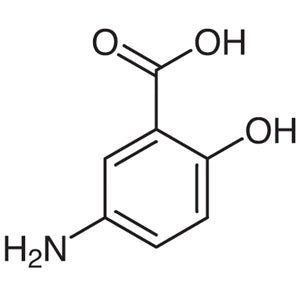
5-AminosalicylicAcid TCI A0317
Regular price From Rp 1.008.000,00Regular priceRp 720.300,00Sale price From Rp 1.008.000,00 -
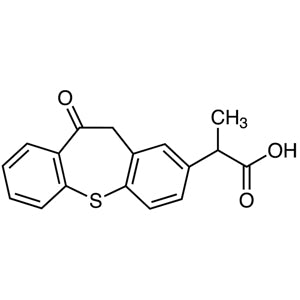
Zaltoprofen TCI Z0021
Regular price From Rp 1.378.650,00Regular priceRp 979.650,00Sale price From Rp 1.378.650,00 -
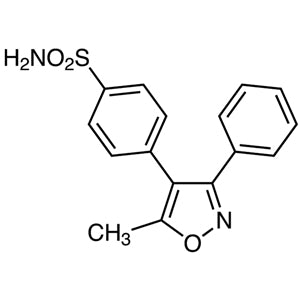
Valdecoxib TCI V0133
Regular price From Rp 2.914.800,00Regular priceRp 2.053.800,00Sale price From Rp 2.914.800,00 -
Suprofen TCI U0138
Regular price From Rp 4.559.100,00Regular priceRp 3.203.550,00Sale price From Rp 4.559.100,00 -
Tolmetin TCI T4087
Regular price From Rp 1.192.800,00Regular priceRp 849.450,00Sale price From Rp 1.192.800,00 -
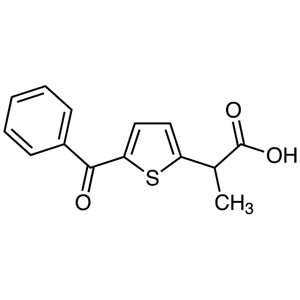
TiaprofenicAcid TCI T3175
Regular price From Rp 3.922.800,00Regular priceRp 2.758.350,00Sale price From Rp 3.922.800,00 -
Tenoxicam TCI T2750
Regular price From Rp 2.491.650,00Regular priceRp 1.757.700,00Sale price From Rp 2.491.650,00 -
BetamethasoneValerate TCI B4157
Regular price From Rp 1.405.950,00Regular priceRp 998.550,00Sale price From Rp 1.405.950,00