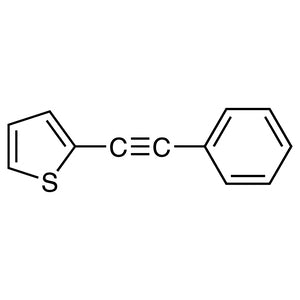
This material is a complex porphyrin compound used in organic solar cell (OPV) research. As a key component in the development of organic conductive materials, it plays a crucial role in laboratory experiments focused on renewable energy technologies. Its molecular structure enables it to function as either an electron donor or acceptor, depending on the design of the solar cell. This versatility makes it a valuable tool for researchers aiming to improve the efficiency and performance of OPV devices.
The compound is preferred due to its unique properties, including high chemical stability and the ability to absorb light within specific wavelength ranges. These characteristics contribute to its effectiveness in creating stable molecular structures essential for efficient energy conversion. Its conductivity and stability ensure reliable performance in experimental settings, making it a sought-after material in electronic materials research. Additionally, its compatibility with various synthetic processes enhances its applicability in laboratory environments.
In Indonesian laboratories, this compound is widely used to support innovation in renewable energy research. Researchers from academic and research institutions rely on it for experiments and the development of next-generation solar cell technologies. Its role in advancing organic photovoltaic materials aligns with national efforts to promote sustainable energy solutions through scientific innovation.
TCI brochures (PDF)
- Solar Cell Materials 2026-04-21 · p. 11
- Please inquire for pricing and availability of listed products to our local sales representatives. Si Si Et 2026-07-16 · p. 7
Related TCI products
- TCI T3590 181934-34-9 1-[2-(Triisopropylsilyl)ethynyl]-3,3-bis(trifluoromethyl)-1,2-benziodoxole
- TCI T3039 181934-30-5 1-[(Triisopropylsilyl)ethynyl]-1,2-benziodoxol-3(1H)-one
- TCI E0967 92866-00-7 1-Ethynyl-4-(phenylethynyl)benzene
- TCI A5020 105250-49-5 Oxo[5,10,15,20-tetra(4-pyridyl)porphyrinato]titanium(IV) [Determination of Glucose in Serum and Urine]
- TCI T1822 123191-00-4 1-(Triisopropylsilyl)indole
- TCI B1899 87630-36-2 3-Bromo-1-(triisopropylsilyl)pyrrole
- Organic Solar Cell Development: This compound is ideal for creating and testing organic photovoltaic materials due to its ability to absorb light and facilitate electron transfer.
- Conductive Material Research: Its molecular structure supports the study of organic conductive materials, making it a key component in electronic material development.
- Photochemical Reaction Studies: The compound's light absorption properties make it suitable for experiments involving photochemical reactions and light-induced processes.
- Material Stability Testing: Its high chemical stability allows it to be used in experiments assessing the long-term performance and durability of organic materials.
- Renewable Energy Innovation: Researchers use it to explore new applications in sustainable energy technologies, contributing to the advancement of green energy solutions.
| Brand | TCI |
|---|---|
| CAS number | 1397288-30-0 |
| Molecular formula | — |
| Purity | — |
| Category | Materials Science > Electronic Materials > Organic Solar Cell (OPV) Materials |
| Pack sizes | — |
| Physical form | — |
| Storage | Store in a cool, dry place away from light and moisture |
This compound should be stored in a cool, dry environment, away from direct light and moisture to maintain its stability and effectiveness. It is recommended to use airtight containers to prevent exposure to air and contaminants. Due to its chemical nature, it should be handled with care, using appropriate personal protective equipment such as gloves and safety goggles. Proper ventilation is essential when working with the material to minimize inhalation risks. Laboratories should ensure that storage areas are secure and accessible only to authorized personnel. Regular monitoring of storage conditions is advised to ensure the material remains in optimal condition for research use.
—
Produk Terkait
-
1-[2-(Triisopropylsilyl)ethynyl]-3,3-bis(trifluoromethyl)-1,2-benziodoxole TCI T3590
Regular price Rp 2.518.950,00Regular priceRp 1.776.600,00Sale price Rp 2.518.950,00 -
1-[(Triisopropylsilyl)ethynyl]-1,2-benziodoxol-3(1H)-one TCI T3039
Regular price From Rp 1.908.900,00Regular priceRp 1.350.300,00Sale price From Rp 1.908.900,00 -
1-Ethynyl-4-(phenylethynyl)benzene TCI E0967
Regular price From Rp 3.100.650,00Regular priceRp 2.168.250,00Sale price From Rp 3.100.650,00 -
Oxo[5,10,15,20-tetra(4-pyridyl)porphyrinato]titanium(IV)[DeterminationofGlucoseinSerumandUrine] TCI A5020
Regular price Rp 16.111.200,00Regular priceRp 11.282.250,00Sale price Rp 16.111.200,00 -
1-(Triisopropylsilyl)indole TCI T1822
Regular price Rp 5.512.500,00Regular priceRp 3.870.300,00Sale price Rp 5.512.500,00 -
3-Bromo-1-(triisopropylsilyl)pyrrole TCI B1899
Regular price From Rp 2.491.650,00Regular priceRp 1.757.700,00Sale price From Rp 2.491.650,00 -
2-(Phenylethynyl)thiophene TCI P3136
Regular price Rp 3.153.150,00Regular priceRp 2.220.750,00Sale price Rp 3.153.150,00 -
4-(Phenylethynyl)benzaldehyde TCI P2975
Regular price From Rp 1.829.100,00Regular priceRp 1.278.900,00Sale price From Rp 1.829.100,00