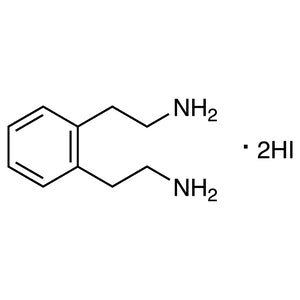
Butyl O-Butyryllactate (BCB) is a chemical compound widely used in laboratory settings for its role in constructing complex molecular structures. As a key building block in organic synthesis, it is essential for creating compounds with specific functional groups and molecular frameworks. This compound is frequently employed in esterification and substitution reactions, making it a versatile reagent in synthetic chemistry. Its importance lies in its ability to participate in various chemical transformations, supporting the development of new materials and pharmaceutical compounds.
The chemical stability and moderate reactivity of BCB make it a preferred choice for synthetic chemists. These properties allow it to be used under a range of reaction conditions without undergoing unwanted side reactions. Its reliability and consistency in performance ensure reproducible results, which are critical in research environments. Additionally, BCB is easy to obtain and maintains its integrity under diverse laboratory conditions, further enhancing its appeal for routine and specialized applications.
In Indonesian laboratories, BCB is commonly used in scientific research, particularly in the fields of organic chemistry, pharmaceutical development, and material science. It plays a vital role in the synthesis of bioactive compounds and essential chemical components for new product development. Its availability and dependability make it a top choice among researchers seeking reliable and effective chemical building blocks.
- Organic synthesis applications benefit from BCB's role in constructing complex molecular structures, supporting the development of new compounds with specific functional groups.
- Pharmaceutical research utilizes BCB in the synthesis of bioactive compounds, contributing to the creation of drug candidates with desired therapeutic properties.
- Material science applications rely on BCB for the production of specialized chemical components used in advanced materials and polymer formulations.
- Analytical chemistry laboratories use BCB as a reference standard for qualitative and quantitative analysis in various chemical assays.
- Industrial research and development projects incorporate BCB to test and optimize chemical processes for commercial applications.
| Brand | TCI |
|---|---|
| CAS number | 7492-70-8 |
| Molecular formula | — |
| Purity | — |
| Category | Chemistry > Building Blocks > Non-Heterocyclic Building Blocks |
| Pack sizes | Available in various quantities as per standard laboratory requirements |
| Physical form | Liquid |
| Storage | Store in a cool, dry place away from direct sunlight and incompatible materials |
Butyl O-Butyryllactate should be stored in a cool, dry environment, away from direct sunlight and sources of heat. It is recommended to keep the compound in tightly sealed containers to prevent evaporation and contamination. Due to its chemical nature, it should be stored separately from strong oxidizing agents and incompatible substances. Proper ventilation is essential when handling the compound to minimize exposure. Laboratory personnel should use appropriate personal protective equipment, such as gloves and safety goggles, when working with BCB. Regular monitoring of storage conditions ensures the compound remains stable and suitable for use in chemical experiments.
—
Produk Terkait
-
TCI B5774 5,10-Bis(4,4,5,5-tetramethyl-1,3,2-dioxaborolan-2-yl)naphtho[1,2-c:5,6-c']bis([1,2,5]oxadiazole)
Regular price Rp 10.307.850,00Regular priceRp 7.224.000,00Sale price Rp 10.307.850,00 -
Dihydroiodide TCI B6569
Regular price From Rp 1.988.700,00Regular priceRp 1.405.950,00Sale price From Rp 1.988.700,00