2-Bromophenyl p-Toluenesulfonate is a chemical compound widely used as a building block in the synthesis of complex organic molecules. This compound is essential in organic chemistry laboratories, where it serves as a versatile reagent for various synthetic pathways. Its unique molecular structure, featuring a bromo group on the phenyl ring and a p-toluenesulfonate group, makes it highly suitable for electrophilic substitution reactions. This compound is particularly valuable in the development of heterocyclic compounds and functionalized organic molecules.
The reactivity and versatility of 2-Bromophenyl p-Toluenesulfonate make it a preferred choice for researchers. It exhibits stability under controlled conditions but remains highly reactive in the presence of elevated temperatures or specific catalysts. This reactivity allows it to participate in a wide range of chemical transformations, making it ideal for applications requiring high reaction efficiency. Its solubility in organic solvents such as ethyl acetate and chloroform further enhances its utility in laboratory settings, facilitating easy handling and purification processes.
In Indonesian laboratories, this compound is commonly used by organic chemists and researchers working on synthetic projects. Its role in the synthesis of pharmaceuticals, agrochemicals, and other specialty chemicals is well recognized. The compound’s availability and reliability make it a staple in both academic and industrial research environments, supporting the development of new chemical entities and advanced materials.
TCI brochures (PDF)
- Aryne/Heteroaryne Precursors 2025-09-16 · p. 6
Related TCI products
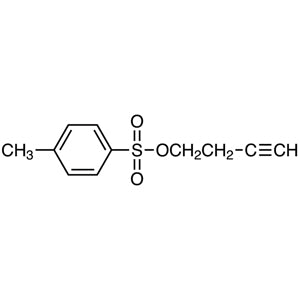
- TCI T2046 23418-85-1 3-Butynyl p-Toluenesulfonate
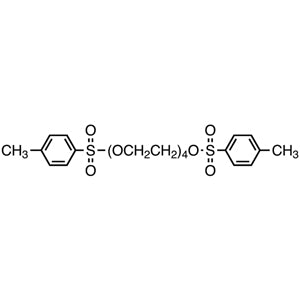
- TCI T1493 37860-51-8 Tetraethylene Glycol Bis(p-toluenesulfonate)
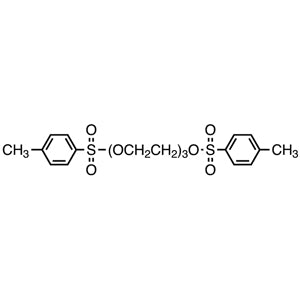
- TCI T1488 19249-03-7 Triethylene Glycol Bis(p-toluenesulfonate)
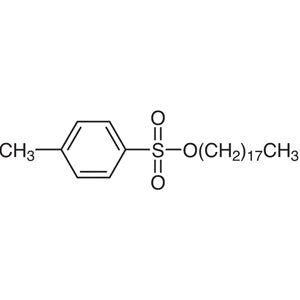
- TCI T1471 3386-32-1 Octadecyl p-Toluenesulfonate
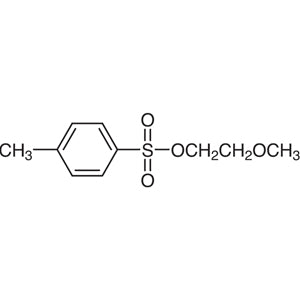
- TCI T1303 17178-10-8 2-Methoxyethyl p-Toluenesulfonate
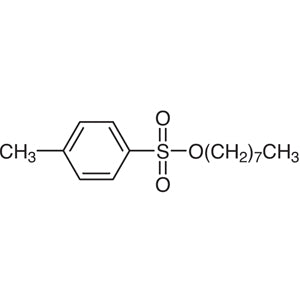
- TCI T0885 3386-35-4 n-Octyl p-Toluenesulfonate
- Electrophilic Substitution Reactions: This compound is ideal for electrophilic substitution due to its reactive bromo group, enabling the synthesis of diverse organic derivatives.
- Heterocyclic Compound Synthesis: Its molecular structure supports the formation of heterocyclic rings, making it a valuable reagent in pharmaceutical and medicinal chemistry.
- Functional Group Modification: The p-toluenesulfonate group allows for efficient functional group transformations, enhancing the versatility of synthetic routes.
- Organic Synthesis in Industrial Settings: Its stability and reactivity make it suitable for large-scale chemical production, supporting the development of specialty chemicals.
- Purification and Separation Processes: Its solubility in organic solvents facilitates efficient purification and isolation of target compounds during synthetic procedures.
| Brand | TCI |
|---|---|
| CAS number | 84672-48-0 |
| Molecular formula | — |
| Purity | — |
| Category | Chemistry > Building Blocks > Non-Heterocyclic Building Blocks |
| Pack sizes | Available in various quantities as per standard laboratory supply |
| Physical form | Solid, crystalline appearance |
| Storage | Store in a cool, dry place away from direct sunlight and moisture |
This compound should be stored in a cool, dry environment to maintain its chemical stability. It is recommended to use airtight containers to prevent exposure to moisture and air, which may affect its reactivity. Due to its reactive nature, it should be handled in a well-ventilated laboratory setting, using appropriate personal protective equipment. Avoid contact with incompatible substances such as strong bases or oxidizing agents. Proper labeling and storage conditions are essential to ensure safety and maintain the compound’s effectiveness in laboratory applications.
—
Produk Terkait
-
3-Butynylp-Toluenesulfonate TCI T2046
Regular price Rp 2.068.500,00Regular priceRp 1.445.850,00Sale price Rp 2.068.500,00 -
TetraethyleneGlycolBis(p-toluenesulfonate) TCI T1493
Regular price Rp 4.001.550,00Regular priceRp 2.814.000,00Sale price Rp 4.001.550,00 -
TriethyleneGlycolBis(p-toluenesulfonate) TCI T1488
Regular price From Rp 1.220.100,00Regular priceRp 868.350,00Sale price From Rp 1.220.100,00 -
Octadecylp-Toluenesulfonate TCI T1471
Regular price Rp 3.100.650,00Regular priceRp 2.168.250,00Sale price Rp 3.100.650,00 -
2-Methoxyethylp-Toluenesulfonate TCI T1303
Regular price From Rp 1.908.900,00Regular priceRp 1.350.300,00Sale price From Rp 1.908.900,00 -
n-Octylp-Toluenesulfonate TCI T0885
Regular price Rp 2.625.000,00Regular priceRp 1.835.400,00Sale price Rp 2.625.000,00