O-(tert-Butyl)hydroxylamine Hydrochloride is a chemical compound widely used in laboratory settings for the synthesis of complex molecules. It serves as a key building block in organic chemistry, particularly in reactions involving nitrogen-containing compounds. This compound is commonly found in chemical laboratories as a reagent for the preparation of nitrogen-based structures. Its role as a nitrogen donor or a reactive participant in bond formation makes it essential in various synthetic pathways.
The compound is valued for its chemical stability and ease of handling in solid form. Its simple yet crucial molecular structure allows it to participate in a variety of reactions without significant degradation. This makes it a preferred choice for researchers aiming to achieve consistent results in their experiments. Additionally, its availability and reliability contribute to its popularity in both academic and industrial research environments.
In Indonesian laboratories, O-(tert-Butyl)hydroxylamine Hydrochloride is extensively used in chemical synthesis and the development of new materials. It is a common reagent in organic synthesis, particularly in substitution and reduction reactions. Many research institutions and educational facilities in Indonesia rely on this compound for experimental work and the creation of chemically relevant products tailored to local needs.
Related TCI products
- TCI I0877 50632-53-6 N-Isopropylhydroxylamine Hydrochloride
- TCI T3860 31938-11-1 O-Tritylhydroxylamine
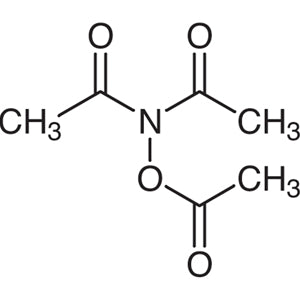
- TCI T1202 17720-63-7 N,N,O-Triacetylhydroxylamine
- TCI B4780 85006-25-3 N,O-Bis(tert-butoxycarbonyl)hydroxylamine
- TCI B4073 29601-98-7 N-Benzylhydroxylamine Hydrochloride
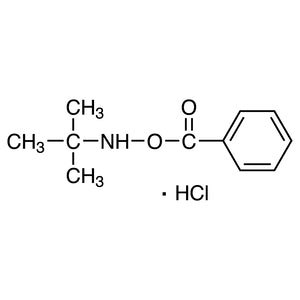
- TCI B3238 66809-86-7 O-Benzoyl-N-tert-butylhydroxylamine Hydrochloride
- Organic synthesis: This compound is ideal for organic synthesis due to its ability to act as a nitrogen donor, facilitating the formation of complex nitrogen-containing structures.
- Nitrogen compound development: It is frequently used in the development of nitrogen-based compounds, providing a stable and reactive source of nitrogen atoms.
- Substitution reactions: Its role as a reagent in substitution reactions makes it a valuable tool in the modification of organic molecules.
- Reduction reactions: It is commonly employed in reduction reactions to help form specific chemical bonds required in synthetic pathways.
- Research and development: Its reliability and versatility make it a go-to reagent for research and development in chemical laboratories.
| Brand | TCI |
|---|---|
| CAS number | 39684-28-1 |
| Molecular formula | — |
| Purity | — |
| Category | Chemistry > Building Blocks > Non-Heterocyclic Building Blocks |
| Pack sizes | Available in various pack sizes as per supplier specifications |
| Physical form | Solid |
| Storage | Store in a cool, dry place away from moisture and direct sunlight |
This compound should be stored in a cool, dry environment to maintain its chemical stability. It is recommended to keep it in airtight containers to prevent exposure to moisture, which could affect its integrity. Due to its solid form, it is typically stored in sealed containers made of inert materials such as glass or plastic. Laboratory personnel should handle it with care, using appropriate personal protective equipment when necessary. It is important to ensure that storage conditions are consistent and that the compound is not exposed to extreme temperatures or humidity. Proper labeling and safe storage practices are essential to maintain the quality and usability of the compound in laboratory settings.
—
Produk Terkait
-
N-IsopropylhydroxylamineHydrochloride TCI I0877
Regular price From Rp 1.618.050,00Regular priceRp 1.146.600,00Sale price From Rp 1.618.050,00 -
O-Tritylhydroxylamine TCI T3860
Regular price From Rp 1.033.200,00Regular priceRp 738.150,00Sale price From Rp 1.033.200,00 -
N,N,O-Triacetylhydroxylamine TCI T1202
Regular price Rp 3.498.600,00Regular priceRp 2.462.250,00Sale price Rp 3.498.600,00 -
N,O-Bis(tert-butoxycarbonyl)hydroxylamine TCI B4780
Regular price From Rp 1.431.150,00Regular priceRp 1.016.400,00Sale price From Rp 1.431.150,00 -
N-BenzylhydroxylamineHydrochloride TCI B4073
Regular price From Rp 2.677.500,00Regular priceRp 1.887.900,00Sale price From Rp 2.677.500,00 -
O-Benzoyl-N-tert-butylhydroxylamineHydrochloride TCI B3238
Regular price Rp 1.510.950,00Regular priceRp 1.072.050,00Sale price Rp 1.510.950,00 -
N-(tert-Butyl)hydroxylamineHydrochloride TCI B1700
Regular price From Rp 1.378.650,00Regular priceRp 979.650,00Sale price From Rp 1.378.650,00 -
O-BenzylhydroxylamineHydrochloride TCI B1079
Regular price From Rp 822.150,00Regular priceRp 590.100,00Sale price From Rp 822.150,00