4-(4-Bromophenyl)dibenzofuran is a chemical compound widely used as a building block in the synthesis of complex heterocyclic compounds. Its unique molecular structure, featuring two aromatic rings and a bromo substituent, makes it a valuable tool in organic chemistry research. In laboratory settings, this compound plays a crucial role in substitution and aromatic reactions, enabling the development of new compounds with specific functional properties. Due to its structural complexity and reactivity, it is frequently employed in various synthetic pathways to create compounds with applications in pharmaceuticals, materials science, and catalysis.
The compound’s high reactivity stems from its bromo group and aromatic ring system, which facilitate a range of chemical transformations. Its ability to participate in reactions such as Diels-Alder, nucleophilic substitution, and condensation makes it a preferred choice for synthetic chemists. The presence of multiple aromatic rings also enhances its versatility, allowing it to be modified into a wide array of derivatives with tailored properties. These characteristics make it a sought-after reagent in both academic and industrial research environments.
In Indonesian laboratories, 4-(4-Bromophenyl)dibenzofuran is commonly used in organic chemistry research, particularly by universities and research institutions. Its limited availability and high demand make it a critical component in advanced synthetic projects. Researchers rely on its reactivity and structural adaptability to explore new chemical pathways and develop innovative compounds for various scientific applications.
TCI brochures (PDF)
- Building Blocks for Organic Semiconductor 2026-03-24 · p. 23
- Organic synthesis of heterocyclic compounds due to its aromatic ring system and bromo substituent, enabling diverse chemical modifications.
- Development of pharmaceuticals through its ability to participate in nucleophilic substitution reactions, aiding in drug molecule design.
- Material science research as a building block for creating novel polymers and functional materials with specific properties.
- Catalytic processes where its reactivity supports the formation of complex molecular structures under controlled conditions.
- Academic research in Indonesian universities for teaching and experimental studies in advanced organic chemistry techniques.
| Brand | TCI |
|---|---|
| CAS number | 955959-84-9 |
| Molecular formula | — |
| Purity | — |
| Category | Chemistry > Building Blocks > Heterocyclic Building Blocks |
| Pack sizes | Available in various quantities as per supplier specifications |
| Physical form | Solid (as per standard chemical properties) |
| Storage | Store in a cool, dry place away from light and incompatible substances |
This compound should be stored in a cool, dry environment, away from direct sunlight and sources of heat. It is recommended to use airtight containers made of materials such as glass or polyethylene to prevent contamination and maintain chemical integrity. Due to its reactivity, it should be handled with care, using appropriate personal protective equipment like gloves and safety goggles. Avoid contact with incompatible substances such as strong oxidizers or acids. In laboratory settings, it is essential to follow standard safety protocols to ensure safe handling and storage. Proper labeling of containers is also crucial to prevent accidental exposure and ensure safe usage.
—
Produk Terkait
-
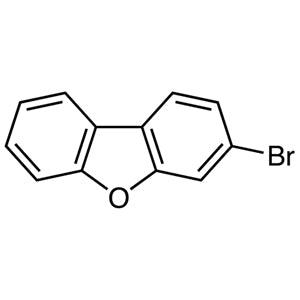
3-Bromodibenzofuran TCI B5451
Regular price From Rp 1.167.600,00Regular priceRp 831.600,00Sale price From Rp 1.167.600,00 -
2-Bromodibenzofuran TCI B4459
Regular price From Rp 557.550,00Regular priceRp 405.300,00Sale price From Rp 557.550,00 -
4-Bromodibenzofuran TCI B4345
Regular price From Rp 1.776.600,00Regular priceRp 1.257.900,00Sale price From Rp 1.776.600,00 -
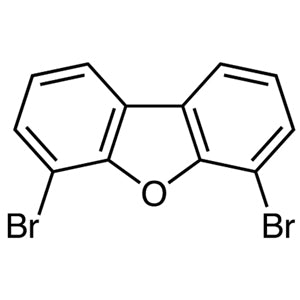
4,6-Dibromodibenzofuran TCI D4858
Regular price From Rp 900.900,00Regular priceRp 645.750,00Sale price From Rp 900.900,00 -
2,8-Dibromodibenzofuran TCI D4821
Regular price From Rp 2.093.700,00Regular priceRp 1.479.450,00Sale price From Rp 2.093.700,00 -
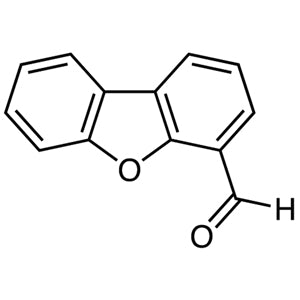
Dibenzofuran-4-carboxaldehyde TCI D4771
Regular price From Rp 1.776.600,00Regular priceRp 1.257.900,00Sale price From Rp 1.776.600,00 -
Dibenzofuran-2-carboxaldehyde TCI D4759
Regular price From Rp 4.293.450,00Regular priceRp 3.017.700,00Sale price From Rp 4.293.450,00 -
4-(4,4,5,5-Tetramethyl-1,3,2-dioxaborolan-2-yl)dibenzofuran TCI T3602
Regular price From Rp 1.961.400,00Regular priceRp 1.387.050,00Sale price From Rp 1.961.400,00