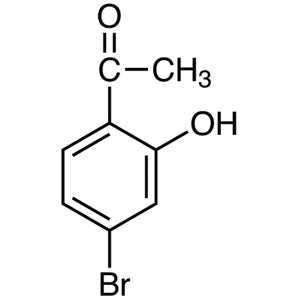
4-Bromo-2,6-dichlorobenzoic Acid is a key chemical compound widely used in organic synthesis as a building block for creating complex organic molecules. Its aromatic structure, combined with bromo and chloro substituents, makes it highly reactive and versatile in various chemical reactions. This compound plays a crucial role in laboratory settings, particularly in the development of pharmaceuticals and industrial chemicals. Due to its stability and reactivity, it is a preferred choice for researchers aiming to design and synthesize new compounds with specific functional groups.
The chemical properties of 4-Bromo-2,6-dichlorobenzoic Acid, including its high melting point and controlled reactivity, make it ideal for use in both academic and industrial research. The presence of bromo and chloro groups allows for selective chemical modifications, which is essential in the synthesis of target molecules. Its ability to participate in electrophilic substitution and catalytic reactions further enhances its utility in laboratory applications. These characteristics ensure that it remains a reliable and effective reagent in chemical research.
In Indonesian laboratories, 4-Bromo-2,6-dichlorobenzoic Acid is commonly used in organic chemistry research, especially in the synthesis of pharmacological compounds and industrial materials. Its availability and chemical properties make it a valuable resource for scientists working on drug development and chemical innovation. The compound's role in various synthetic pathways underscores its importance in the chemical research landscape in Indonesia.
- Organic synthesis is a primary application where this compound serves as a versatile building block for creating complex molecular structures.
- Pharmaceutical research benefits from its reactivity and structural versatility, enabling the development of new drug candidates.
- Industrial chemical production utilizes its stability and reactivity for the synthesis of various chemical intermediates.
- Catalytic reactions often employ this compound due to its ability to participate in controlled chemical transformations.
- Analytical chemistry applications rely on its distinct chemical properties for use in spectroscopic and chromatographic analyses.
| Brand | TCI |
|---|---|
| CAS number | 232275-51-3 |
| Molecular formula | — |
| Purity | — |
| Category | Chemistry > Building Blocks > Non-Heterocyclic Building Blocks |
| Pack sizes | Available in various quantities as per standard laboratory requirements |
| Physical form | Solid |
| Storage | Store in a cool, dry place away from light and moisture |
This compound should be stored in a cool, dry environment, away from direct sunlight and moisture to maintain its chemical integrity. It is recommended to use airtight containers to prevent exposure to air and humidity. Due to its reactivity, it should be handled with appropriate personal protective equipment, including gloves and safety goggles. Proper ventilation is essential when working with this material to minimize inhalation risks. Storage conditions should be consistent to ensure stability and prevent degradation. Regular monitoring of storage conditions is advised to maintain the compound's effectiveness for laboratory use.
—
Produk Terkait
-
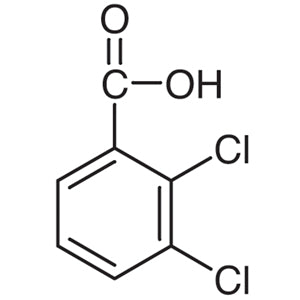
2,3-DichlorobenzoicAcid TCI D3319
Regular price From Rp 795.900,00Regular priceRp 572.250,00Sale price From Rp 795.900,00 -
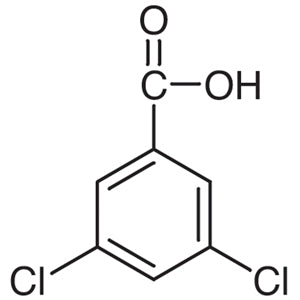
3,5-DichlorobenzoicAcid TCI D0341
Regular price From Rp 1.060.500,00Regular priceRp 757.050,00Sale price From Rp 1.060.500,00 -
3,4-DichlorobenzoicAcid TCI D0340
Regular price Rp 637.350,00Regular priceRp 460.950,00Sale price Rp 637.350,00 -
2,6-DichlorobenzoicAcid TCI D0339
Regular price From Rp 610.050,00Regular priceRp 442.050,00Sale price From Rp 610.050,00 -
2,5-DichlorobenzoicAcid TCI D0338
Regular price From Rp 1.378.650,00Regular priceRp 979.650,00Sale price From Rp 1.378.650,00 -
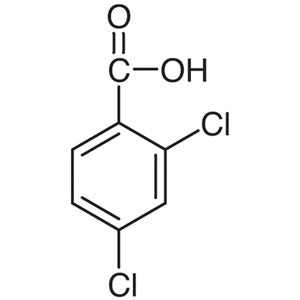
2,4-DichlorobenzoicAcid TCI D0337
Regular price From Rp 530.250,00Regular priceRp 386.400,00Sale price From Rp 530.250,00 -
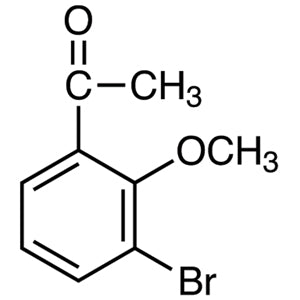
3'-Bromo-2'-methoxyacetophenone TCI B5498
Regular price From Rp 1.140.300,00Regular priceRp 812.700,00Sale price From Rp 1.140.300,00 -
4'-Bromo-2'-hydroxyacetophenone TCI B5382
Regular price From Rp 875.700,00Regular priceRp 627.900,00Sale price From Rp 875.700,00