4-Bromo-2,6-diphenylpyrimidine is a heterocyclic compound widely used in organic chemistry research as a building block for the synthesis of complex molecules. Its core pyrimidine structure, modified with bromo and phenyl groups at specific positions, makes it a versatile intermediate in chemical reactions. In the laboratory, this compound plays a crucial role in developing compounds with targeted biological activities, such as pharmaceuticals and industrial chemicals. Its structural stability and reactivity make it a valuable tool for chemists aiming to design new molecules with specific functional properties.
The compound’s chemical properties, including its stability under controlled conditions and reactivity in substitution and condensation reactions, make it a preferred choice for synthetic chemists. The presence of the bromo group enhances its potential for further modification through halogen substitution reactions, allowing for the creation of a wide range of derivatives. Additionally, its heterocyclic framework enables it to interact with various functional groups, making it ideal for the synthesis of bioactive compounds. These characteristics contribute to its popularity in both academic and industrial research settings.
In Indonesian laboratories, 4-Bromo-2,6-diphenylpyymidine is commonly used in organic chemistry, pharmacology, and industrial chemistry research. It is frequently employed in the development of new drugs and chemical materials. Many research institutions and universities in Indonesia rely on this compound for its reliability and effectiveness in synthetic processes. Its role in advancing chemical innovation is well recognized in the local scientific community.
Related TCI products
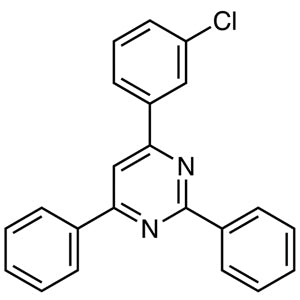
- TCI C3519 1536209-87-6 4-(3-Chlorophenyl)-2,6-diphenylpyrimidine
- TCI C3518 1354749-13-5 4-Chloro-6-(4-chlorophenyl)-2-phenylpyrimidine
- TCI B5814 864377-22-0 2-(3-Bromophenyl)-4,6-diphenylpyrimidine
- TCI B5802 1689538-58-6 4-([1,1'-Biphenyl]-4-yl)-6-chloro-2-phenylpyrimidine
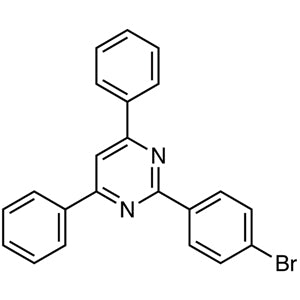
- TCI B5797 457613-56-8 2-(4-Bromophenyl)-4,6-diphenylpyrimidine
- TCI B4662 56181-49-8 2-Bromo-4,6-diphenylpyrimidine
- Organic Synthesis: This compound is widely used in the synthesis of complex organic molecules due to its stable heterocyclic structure and reactivity in substitution reactions.
- Pharmaceutical Research: It serves as a key intermediate in the development of bioactive compounds, enabling the creation of potential drug candidates with specific therapeutic properties.
- Industrial Chemistry: The compound is utilized in the production of specialty chemicals, offering a reliable building block for the synthesis of various industrial materials.
- Functional Group Modification: Its bromo substituent allows for further chemical modifications, making it suitable for the design of diverse molecular structures.
- Heterocyclic Compound Development: The compound’s framework supports the synthesis of other heterocyclic derivatives, expanding its utility in chemical research.
| Brand | TCI |
|---|---|
| CAS number | 40734-24-5 |
| Molecular formula | — |
| Purity | — |
| Category | Chemistry > Building Blocks > Heterocyclic Building Blocks |
| Pack sizes | Available in various quantities as per supplier specifications |
| Physical form | Solid |
| Storage | Store in a cool, dry place away from light and moisture |
This compound should be stored in a cool, dry environment, away from direct light and moisture to maintain its chemical stability. It is recommended to use airtight containers made of glass or polyethylene to prevent contamination and degradation. Due to its reactivity, it should be handled with care, using appropriate personal protective equipment such as gloves and safety goggles. In laboratory settings, it should be stored separately from incompatible substances to ensure safety. Regular monitoring of storage conditions is advised to maintain the compound’s integrity and effectiveness for research purposes.
—
Produk Terkait
-
4-(3-Chlorophenyl)-2,6-diphenylpyrimidine TCI C3519
Regular price From Rp 1.510.950,00Regular priceRp 1.072.050,00Sale price From Rp 1.510.950,00 -
4-Chloro-6-(4-chlorophenyl)-2-phenylpyrimidine TCI C3518
Regular price From Rp 1.008.000,00Regular priceRp 720.300,00Sale price From Rp 1.008.000,00 -
2-(3-Bromophenyl)-4,6-diphenylpyrimidine TCI B5814
Regular price From Rp 2.491.650,00Regular priceRp 1.757.700,00Sale price From Rp 2.491.650,00 -
4-([1,1'-Biphenyl]-4-yl)-6-chloro-2-phenylpyrimidine TCI B5802
Regular price From Rp 3.365.250,00Regular priceRp 2.368.800,00Sale price From Rp 3.365.250,00 -
2-(4-Bromophenyl)-4,6-diphenylpyrimidine TCI B5797
Regular price From Rp 1.618.050,00Regular priceRp 1.146.600,00Sale price From Rp 1.618.050,00 -
2-Bromo-4,6-diphenylpyrimidine TCI B4662
Regular price From Rp 1.776.600,00Regular priceRp 1.257.900,00Sale price From Rp 1.776.600,00 -
5-Bromo-2-methylpyrimidine TCI B5266
Regular price From Rp 875.700,00Regular priceRp 627.900,00Sale price From Rp 875.700,00 -
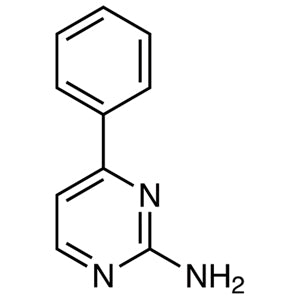
2-Amino-4-phenylpyrimidine TCI A3244
Regular price From Rp 2.013.900,00Regular priceRp 1.423.800,00Sale price From Rp 2.013.900,00