3-(tert-Butoxycarbonylamino)thiophene-2-carboxylic Acid is a chemical compound widely used in laboratory settings for the synthesis of heterocyclic compounds. This building block is essential in organic chemistry for constructing complex molecular structures that are vital in pharmaceutical and biochemical research. Its unique structure allows it to participate in various chemical reactions, making it a versatile tool for researchers working on drug development and molecular design. In Indonesian laboratories, this compound is a key component in the creation of bioactive molecules and is frequently used in academic and industrial research projects.
The compound's heterocyclic framework provides high reactivity, enabling it to engage in substitution, coupling, and modification reactions under different chemical conditions. Its ability to form stable bonds with functional groups makes it a preferred choice for synthetic chemists. The presence of both nitrogen and sulfur atoms in its structure contributes to its utility in creating molecules with specific biological activities. This reactivity and functional versatility make it a reliable and effective reagent in a wide range of chemical applications.
In Indonesian laboratories, 3-(tert-Butoxycarbonylamino)thiophene-2-carboxylic Acid is commonly used in the synthesis of bioactive compounds, particularly in pharmaceutical and biochemical research. It is a fundamental reagent in the development of new drugs and the study of molecular interactions. Its application is widespread in academic institutions and research centers, where it supports the advancement of chemical and biological sciences. The compound's reliability and effectiveness make it a standard component in many laboratory workflows.
Related TCI products
- TCI B4650 5381-25-9 Benzo[b]thiophene-3-carboxylic Acid
- TCI B2033 6314-28-9 Benzo[b]thiophene-2-carboxylic Acid
- TCI C3430 23967-57-9 4-Chlorobenzo[b]thiophene-2-carboxylic Acid
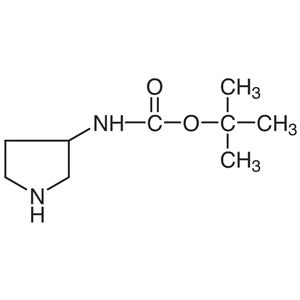
- TCI B1358 99724-19-3 3-(tert-Butoxycarbonylamino)pyrrolidine
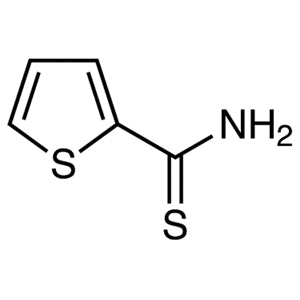
- TCI T3604 20300-02-1 Thiophene-2-carbothioamide
- TCI T3212 37882-75-0 Thieno[3,2-b]thiophene-2,5-dicarboxaldehyde
- Heterocyclic Compound Synthesis: This compound is ideal for creating complex ring structures that are essential in pharmaceutical research due to its reactivity and structural versatility.
- Organic Chemistry Research: Its ability to participate in various chemical reactions makes it a valuable tool for synthetic chemists working on novel molecule development.
- Bioactive Molecule Development: The presence of nitrogen and sulfur atoms enables it to be used in the synthesis of compounds with specific biological activities.
- Academic and Industrial Research: Widely used in both academic and industrial settings for the exploration of new chemical structures and their biological effects.
- Molecular Modification Studies: Its functional group compatibility allows for the modification of existing molecules, supporting advanced chemical research.
| Brand | TCI |
|---|---|
| CAS number | 101537-64-8 |
| Molecular formula | — |
| Purity | — |
| Category | Chemistry > Building Blocks > Heterocyclic Building Blocks |
| Pack sizes | Available in standard laboratory quantities |
| Physical form | Solid powder |
| Storage | Store in a cool, dry place away from light and moisture |
This compound should be stored in a cool, dry environment, away from direct sunlight and moisture. It is recommended to use airtight containers to prevent exposure to air and humidity. Due to its chemical nature, it should be handled with appropriate personal protective equipment, such as gloves and safety goggles. It is important to ensure proper ventilation in the workspace to minimize inhalation risks. The compound should not be stored near incompatible materials, such as strong acids or bases, to avoid potential chemical reactions. Regular inspection of storage conditions is advised to maintain the integrity and stability of the compound.
—
Produk Terkait
-
Benzo[b]thiophene-3-carboxylicAcid TCI B4650
Regular price From Rp 980.700,00Regular priceRp 701.400,00Sale price From Rp 980.700,00 -
Benzo[b]thiophene-2-carboxylicAcid TCI B2033
Regular price Rp 1.272.600,00Regular priceRp 905.100,00Sale price Rp 1.272.600,00 -
4-Chlorobenzo[b]thiophene-2-carboxylicAcid TCI C3430
Regular price From Rp 2.173.500,00Regular priceRp 1.535.100,00Sale price From Rp 2.173.500,00 -
3-(tert-Butoxycarbonylamino)pyrrolidine TCI B1358
Regular price From Rp 1.749.300,00Regular priceRp 1.239.000,00Sale price From Rp 1.749.300,00 -
Thiophene-2-carbothioamide TCI T3604
Regular price From Rp 8.613.150,00Regular priceRp 6.038.550,00Sale price From Rp 8.613.150,00 -
Thieno[3,2-b]thiophene-2,5-dicarboxaldehyde TCI T3212
Regular price From Rp 1.351.350,00Regular priceRp 960.750,00Sale price From Rp 1.351.350,00 -
Thieno[2,3-b]thiophene TCI T2729
Regular price From Rp 2.384.550,00Regular priceRp 1.683.150,00Sale price From Rp 2.384.550,00 -
Thieno[3,2-b]thiophene TCI T2513
Regular price From Rp 1.590.750,00Regular priceRp 1.127.700,00Sale price From Rp 1.590.750,00