Bevantolol Hydrochloride is a chemical compound widely used in pharmacological and biochemical research. As a pharmaceutical research reagent, it plays a crucial role in experimental settings within laboratories, supporting studies on drug mechanisms and physiological responses. This compound is specifically noted for its beta-adrenergic antagonist activity, making it an essential tool for investigating the effects of beta-adrenergic stimulation on the nervous system. Its presence in scientific research helps researchers understand the pharmacological behavior of various compounds and their interactions with biological systems.
The compound is valued for its chemical stability, high purity, and solubility in organic solvents, which are key factors in its popularity among researchers. These properties ensure consistent and reliable results in experiments, making it suitable for a wide range of analytical methods. Additionally, its availability in crystalline or powder form allows for efficient handling and incorporation into chemical reactions and synthesis processes. These characteristics contribute to its reliability and effectiveness in laboratory settings, where precision and accuracy are paramount.
In Indonesian laboratories, Bevantolol Hydrochloride is commonly used in pharmacological, pharmacodynamic, and pharmacokinetic studies. It serves as a control or test substance to evaluate biological responses to beta-adrenergic influences. Its application supports both basic and applied research, enabling scientists to explore the therapeutic potential of various compounds and their mechanisms of action. This makes it a valuable resource for researchers working in the field of pharmaceutical sciences.
TCI brochures (PDF)
- Pharmaceutical Ingredients for Research and Experimental Use 2026-03-09 · p. 20
- Reagents for Biological Research 2025-03-11 · p. 45
- Pharmacological research utilizes Bevantolol Hydrochloride to study beta-adrenergic receptor interactions and drug mechanisms.
- Pharmacodynamic studies employ this compound to assess the effects of beta-blockers on cardiac and nervous system functions.
- Biochemical experiments use it as a reagent to investigate the influence of beta-adrenergic antagonists on cellular responses.
- Drug development projects incorporate it to evaluate the efficacy and safety of new pharmaceutical compounds.
- Toxicological assessments rely on Bevantolol Hydrochloride to determine the biological impact of beta-adrenergic inhibitors on various tissues.
| Brand | TCI |
|---|---|
| CAS number | 42864-78-8 |
| Molecular formula | — |
| Purity | — |
| Category | Life Science > Biochemicals and Reagents > Pharmaceutical Research Reagents |
| Pack sizes | Available in various quantities as per standard laboratory requirements |
| Physical form | Crystalline or powder |
| Storage | Store in a cool, dry place away from light and moisture |
Bevantolol Hydrochloride should be stored in a cool, dry environment, away from direct light and moisture to maintain its chemical stability and purity. It is recommended to use airtight containers to prevent contamination and degradation. In laboratory settings, it is important to handle the compound with appropriate personal protective equipment, such as gloves and safety goggles, to ensure safety during handling. Proper labeling of containers is essential to avoid mix-ups and ensure safe access. The compound should be kept in a designated storage area that is accessible only to authorized personnel. Regular monitoring of storage conditions helps maintain the integrity of the reagent for reliable experimental results.
—
Product Categories
- Biochemicals and ReagentsPharmaceutical Research Reagents (for Experimental Use)Antihypertensive Ingredients (for Research and Experimental Use)
- Pharmaceutical Development and Drug Discovery ResearchPharmaceutical Research Reagents (for Experimental Use)Antihypertensive Ingredients (for Research and Experimental Use)
Produk Terkait
-
Irbesartan TCI I0859
Regular price From Rp 1.008.000,00Regular priceRp 720.300,00Sale price From Rp 1.008.000,00 -
ImidaprilHydrochloride TCI I0901
Regular price From Rp 4.161.150,00Regular priceRp 2.925.300,00Sale price From Rp 4.161.150,00 -
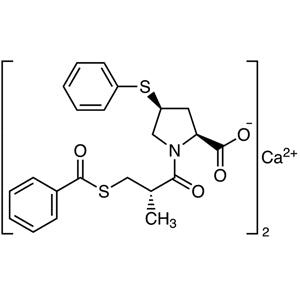
ZofenoprilCalcium TCI Z0041
Regular price From Rp 2.889.600,00Regular priceRp 2.035.950,00Sale price From Rp 2.889.600,00 -
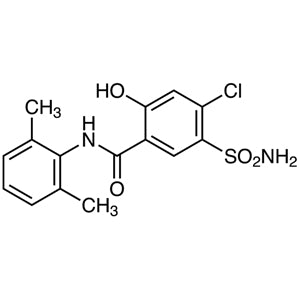
Xipamide TCI X0079
Regular price Rp 5.167.050,00Regular priceRp 3.628.800,00Sale price Rp 5.167.050,00 -
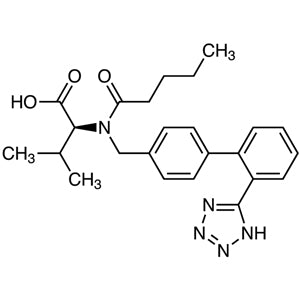
Valsartan TCI V0112
Regular price From Rp 1.087.800,00Regular priceRp 775.950,00Sale price From Rp 1.087.800,00 -
Urapidil TCI U0085
Regular price Rp 2.835.000,00Regular priceRp 1.998.150,00Sale price Rp 2.835.000,00 -
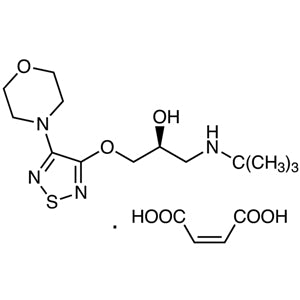
TimololMaleate TCI T2905
Regular price Rp 3.578.400,00Regular priceRp 2.517.900,00Sale price Rp 3.578.400,00