2-Bromo-1-(3-fluoro-3-methylazetidin-1-yl)ethan-1-one is a synthetic organic compound developed specifically as a fluorinated building block for medicinal chemistry and the synthesis of bioactive compounds. The molecule combines two important functional elements within a single compact framework: a highly nucleophile-reactive α-bromoacetyl group, and a four-membered azetidine ring carrying both fluorine and methyl substituents at the third position. In the laboratory, this compound serves as a linking reagent that allows researchers to introduce a fluorinated azetidine motif into a target molecule in only one or two reaction steps, shortening synthetic routes that are normally long and complicated.
The characteristics that make this compound a frequent choice lie in its combination of reactivity and structural value. The carbon–bromine bond positioned alpha to the carbonyl group is strongly electrophilic, so it is readily displaced by nucleophiles such as amines, thiols, phenols, and heterocyclic anions under relatively mild reaction conditions. At the same time, the azetidine ring contributes conformational rigidity and a three-dimensional vector that differs from those offered by piperidine or pyrrolidine rings, giving chemists an alternative way to explore spatial arrangement around a scaffold. The fluorine and methyl substituents on the same ring carbon further define the character of that fragment.
In Indonesian laboratories, this building block is typically used in academic and industrial research settings that focus on organic synthesis and medicinal chemistry, including university research groups, pharmaceutical development units, and contract research facilities. It is normally handled at small scale on the bench, in fume hoods equipped for routine organic synthesis, and used in exploratory route development where a fluorinated azetidine fragment must be attached to a larger molecular framework efficiently.
Related TCI products
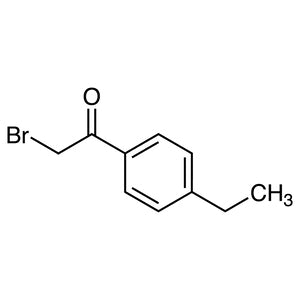
- TCI B6672 2632-14-6 2-Bromo-1-(4-ethylphenyl)ethan-1-one
- TCI B4810 168828-81-7 Benzyl (3-Fluoro-4-morpholinophenyl)carbamate
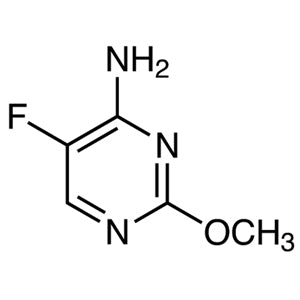
- TCI A2125 1993-63-1 4-Amino-5-fluoro-2-methoxypyrimidine
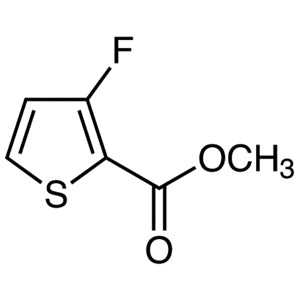
- TCI M2295 100421-52-1 Methyl 3-Fluoro-2-thiophenecarboxylate
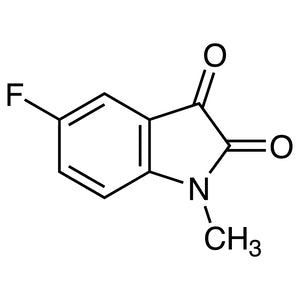
- TCI F1390 773-91-1 5-Fluoro-1-methylindoline-2,3-dione
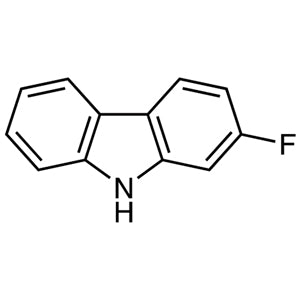
- TCI F1182 391-53-7 2-Fluoro-9H-carbazole
- Medicinal chemistry scaffold assembly — the compound attaches a fluorinated azetidine fragment to a lead structure in a single alkylation step, shortening routes that would otherwise require multiple protection and deprotection stages.
- Nucleophilic substitution with amines — the electrophilic α-bromo position reacts readily with primary and secondary amines under mild conditions, making it a convenient reagent for building amide-linked amine derivatives.
- Thiol and phenol alkylation — soft sulfur nucleophiles and phenolate anions displace the bromide efficiently, allowing researchers to prepare thioether and aryl ether linkages bearing the azetidine carbonyl unit.
- Heterocycle functionalization — heterocyclic anions can be alkylated at nitrogen or carbon using this reagent, introducing the fluorinated azetidinyl ketone motif onto ring systems common in bioactive compound programs.
- Structure–activity relationship exploration — the rigid four-membered ring provides a three-dimensional vector distinct from piperidine or pyrrolidine analogues, helping chemists probe how spatial orientation affects biological activity.
| Brand | TCI |
|---|---|
| CAS number | 1466514-89-5 |
| Molecular formula | — |
| Purity | — |
| Category | Chemistry > Building Blocks > Fluorinated Building Blocks |
| Pack sizes | available in standard research-scale catalogue pack sizes; please confirm the current options when ordering |
| Physical form | — |
| Storage | keep in a tightly closed original container under the conditions stated on the product label and Safety Data Sheet |
- Product code: B6893
Store the container tightly closed in a cool, dry, and well-ventilated area, away from direct sunlight, heat sources, and incompatible materials, following the storage conditions printed on the product label and Safety Data Sheet. Keep the material in its original supplier container or in a chemically compatible sealed vessel, and protect it from moisture. As an α-halo carbonyl compound, it should be treated as a reactive and potentially irritating substance: handle it inside a fume hood, wear appropriate gloves, safety goggles, and a laboratory coat, and avoid contact with skin, eyes, and clothing. Weigh and transfer quantities carefully, close containers immediately after use, and dispose of residues and contaminated consumables through the laboratory's designated chemical waste stream. Review the Safety Data Sheet before first use.
—
Produk Terkait
-
2-Bromo-1-(4-ethylphenyl)ethan-1-one TCI B6672
Regular price From Rp 1.193.850,00Regular price -
Benzyl(3-Fluoro-4-morpholinophenyl)carbamate TCI B4810
Regular price From Rp 664.650,00Regular price -
4-Amino-5-fluoro-2-methoxypyrimidine TCI A2125
Regular price Rp 2.491.650,00Regular price -
Methyl3-Fluoro-2-thiophenecarboxylate TCI M2295
Regular price Rp 2.068.500,00Regular price -
5-Fluoro-1-methylindoline-2,3-dione TCI F1390
Regular price From Rp 1.724.100,00Regular price -
2-Fluoro-9H-carbazole TCI F1182
Regular price From Rp 1.378.650,00Regular price -
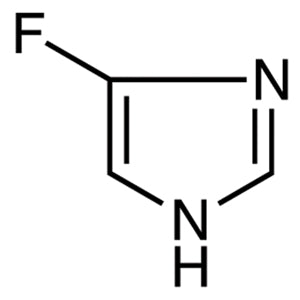
4-Fluoro-1H-imidazole TCI F1157
Regular price Rp 10.838.100,00Regular price -
7-Fluoro-6-nitroquinazolin-4(1H)-one TCI F1091
Regular price Rp 1.140.300,00Regular price