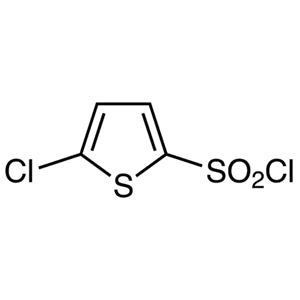
5-Chloro-2-thiophenesulfonyl Chloride is a chemical compound widely used in organic reactions, particularly in the synthesis of heterocyclic compounds. This material plays a crucial role in laboratory settings as a building block for constructing complex molecular structures. Its unique chemical structure, featuring a thiophene ring linked to a sulfonyl chloride group, makes it highly versatile in various synthetic pathways. Due to its reactivity, it is a key reagent in substitution and coupling reactions, enabling the formation of new chemical entities with high precision.
The compound’s reactivity and functional group versatility make it a preferred choice for chemists. It is especially effective in sulfonation, substitution reactions, and interactions with other active functional groups. Its ability to form stable intermediates and participate in multiple reaction mechanisms enhances its utility in synthetic chemistry. The compound’s availability in solid form and ease of handling further contribute to its practicality in laboratory environments, making it a reliable choice for researchers seeking high-quality chemical reagents.
In Indonesian laboratories, 5-Chloro-2-thiophenesulfonyl Chloride is extensively used in organic chemistry research, particularly in pharmaceutical and drug synthesis applications. It is commonly found in research institutions and universities, where it supports the development of new compounds and the advancement of chemical knowledge. Its reliability and effectiveness make it a staple in the chemical toolkit of Indonesian scientists.
TCI brochures (PDF)
- Thiophenes 2026-06-29 · p. 5
Related TCI products
- TCI B2793 53595-65-6 5-Bromo-2-thiophenesulfonamide
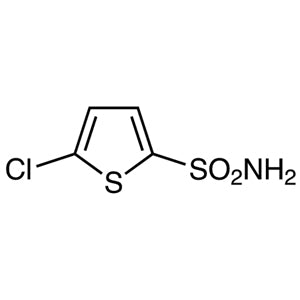
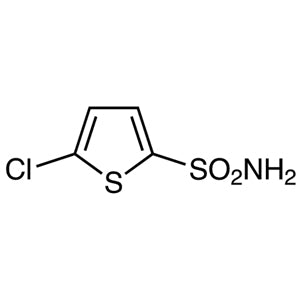
- TCI C2441 53595-66-7 5-Chloro-2-thiophenesulfonamide
- TCI T2122 16629-19-9 2-Thiophenesulfonyl Chloride
- TCI T2851 6339-87-3 2-Thiophenesulfonamide
- TCI B4330 100342-30-1 N-tert-Butyl-2-thiophenesulfonamide
- TCI T3080 1089663-51-3 N-(2-Thiophenesulfonyl)-L-prolinamide
- Organic synthesis of heterocyclic compounds due to its reactive thiophene sulfonyl chloride group.
- Drug development and pharmaceutical research for constructing complex molecular frameworks.
- Coupling reactions where strong electrophilic sulfonating agents are required.
- Functional group transformations in synthetic pathways involving active chemical moieties.
- Research in medicinal chemistry for the design of novel therapeutic agents and bioactive molecules.
| Brand | TCI |
|---|---|
| CAS number | 2766-74-7 |
| Molecular formula | — |
| Purity | — |
| Category | Chemistry > Building Blocks > Heterocyclic Building Blocks |
| Pack sizes | Available in various quantities as per standard laboratory requirements |
| Physical form | Solid |
| Storage | Store in a cool, dry place away from moisture and direct sunlight |
This compound should be stored in a cool, dry environment to maintain its chemical integrity. It is recommended to use airtight containers to prevent exposure to moisture, which can lead to hydrolysis. Due to its reactivity, it should be handled in a well-ventilated area, preferably under a fume hood, to minimize inhalation risks. Avoid contact with incompatible materials such as strong bases or reducing agents. Always wear appropriate personal protective equipment, including gloves and safety goggles, when handling this substance. Proper storage and handling ensure the compound remains effective and safe for use in laboratory applications.
—
Produk Terkait
-
5-Bromo-2-thiophenesulfonamide TCI B2793
Regular price From Rp 769.650,00Regular price -
5-Chloro-2-thiophenesulfonamide TCI C2441
Regular price From Rp 769.650,00Regular price -
2-ThiophenesulfonylChloride TCI T2122
Regular price From Rp 2.809.800,00Regular price -
2-Thiophenesulfonamide TCI T2851
Regular price From Rp 823.200,00Regular price -
N-tert-Butyl-2-thiophenesulfonamide TCI B4330
Regular price From Rp 477.750,00Regular price -
N-(2-Thiophenesulfonyl)-L-prolinamide TCI T3080
Regular price Rp 3.155.250,00Regular price -
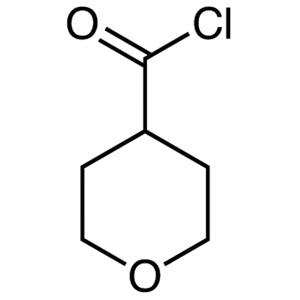
Tetrahydro-2H-pyran-4-carbonylChloride TCI T3890
Regular price From Rp 1.378.650,00Regular price -
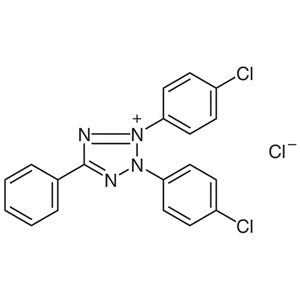
2,3-Bis(4-chlorophenyl)-5-phenyltetrazoliumChloride TCI B1052
Regular price Rp 1.829.100,00Regular price