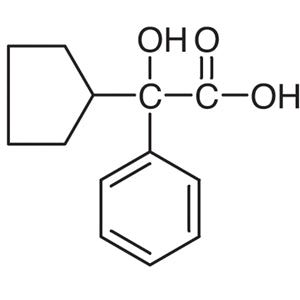
Alpha-Cyclopentyl-DL-mandelic acid is a chemical compound widely used in synthetic laboratory reactions. As a building block in organic chemistry, it plays a vital role in the development of complex molecular structures. This compound is part of the non-heterocyclic building blocks category, making it a valuable resource for chemists engaged in synthetic processes. Its unique molecular structure allows for precise chemical bonding, which is essential in creating compounds with specific biological activities.
The compound’s chemical stability and reactivity under controlled conditions make it a preferred choice for various laboratory applications. Its ability to participate in substitution and coupling reactions enhances its utility in synthetic pathways. The high purity and solid form of the compound ensure consistent results across different experimental scales. These properties make it a reliable component in both academic and industrial research settings.
In Indonesian laboratories, Alpha-Cyclopentyl-DL-mandelic acid is commonly used in organic chemistry research, particularly in the synthesis of bioactive compounds. It is frequently employed in studies related to drug development and molecular structure optimization. Many research institutions and universities rely on this compound to advance their synthetic techniques and explore new chemical pathways. Its availability and performance make it a staple in the chemical supply chain for Indonesian scientific communities.
Related TCI products
- TCI C2393 4335-77-7 alpha-Cyclohexyl-DL-mandelic Acid
- TCI C2338 6740-85-8 2-Chlorophenyl Cyclopentyl Ketone
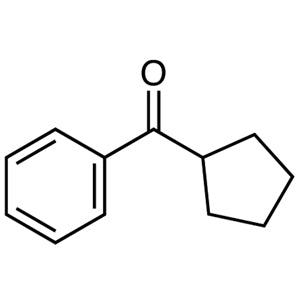
- TCI C0882 5422-88-8 Cyclopentyl Phenyl Ketone
- TCI M3261 178889-49-1 1-Methylcyclopentyl Acrylate (stabilized with MEHQ)
- TCI M3228 178889-45-7 1-Methylcyclopentyl Methacrylate (stabilized with MEHQ)
- TCI E1388 266308-58-1 1-Ethylcyclopentyl Methacrylate (stabilized with MEHQ)
- Organic synthesis of bioactive compounds due to its ability to form precise chemical bonds and participate in substitution reactions.
- Development of new pharmaceuticals as a key intermediate in the synthesis of complex organic molecules.
- Structural modification of existing compounds to enhance their biological activity and functional properties.
- Research in medicinal chemistry for the creation of novel therapeutic agents and drug candidates.
- Educational use in academic laboratories for teaching advanced synthetic techniques and molecular design.
| Brand | TCI |
|---|---|
| CAS number | 427-49-6 |
| Molecular formula | — |
| Purity | — |
| Category | Chemistry > Building Blocks > Non-Heterocyclic Building Blocks |
| Pack sizes | Available in various quantities as per standard laboratory supply practices |
| Physical form | Solid |
| Storage | Store in a cool, dry place away from moisture and direct sunlight |
This compound should be stored in a cool, dry environment to maintain its chemical stability. It is recommended to keep it in a sealed container to prevent exposure to moisture and air. Suitable containers include glass or plastic vessels with airtight lids. General laboratory precautions include handling in a well-ventilated area and avoiding direct contact with skin or inhalation. Due to its chemical nature, it should be stored separately from incompatible substances. Proper labeling and storage conditions ensure the compound remains effective for use in synthetic experiments.
—
Produk Terkait
-
alpha-Cyclohexyl-DL-mandelicAcid TCI C2393
Regular price From Rp 1.115.100,00Regular price -
2-ChlorophenylCyclopentylKetone TCI C2338
Regular price Rp 2.518.950,00Regular price -
CyclopentylPhenylKetone TCI C0882
Regular price Rp 2.121.000,00Regular price -
1-MethylcyclopentylAcrylate(stabilizedwithMEHQ) TCI M3261
Regular price From Rp 1.696.800,00Regular price -
1-MethylcyclopentylMethacrylate(stabilizedwithMEHQ) TCI M3228
Regular price Rp 1.378.650,00Regular price -
1-EthylcyclopentylMethacrylate(stabilizedwithMEHQ) TCI E1388
Regular price Rp 3.472.350,00Regular price -
1-Cyclopentylethanone TCI C3585
Regular price From Rp 1.565.550,00Regular price -
3-CyclopentylpropionicAcid TCI C2934
Regular price From Rp 610.050,00Regular price