


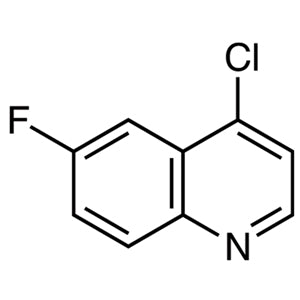
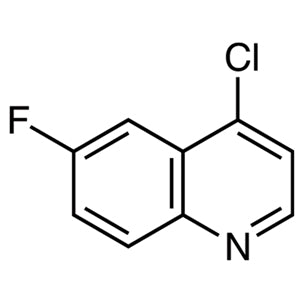
TCI C2989 4-Chloro-6-fluoroquinoline, bearing CAS number 391-77-5, is a fluorinated heterocyclic compound that combines a quinoline framework with two halogen substituents placed at different ring positions. In synthetic laboratories, this material serves as a highly valued fluorinated building block in the design of active molecules. The quinoline skeleton itself is a structural core frequently encountered in bioactive compounds, while the presence of fluorine on the benzene ring imparts a distinctive electronic character. This combination makes the compound an efficient starting point for constructing substituted quinoline derivatives through substitution reactions as well as metal-catalysed coupling.
The principal characteristic that leads chemists to select this compound is its selective reactivity at the four position. The chlorine atom bound to the carbon adjacent to the ring nitrogen is highly susceptible to nucleophilic aromatic substitution, so it can be displaced by amines, alkoxides, or thiolates under relatively simple conditions. The fluorine atom on the benzene ring, by contrast, is far more inert towards those same conditions and therefore survives intact in the final product. Fluorine exerts a strong electronic influence, and this difference in reactivity between the two halogens gives the chemist clear, predictable control over where a new bond is formed.
In Indonesian laboratories, this building block is typically used in university and institutional research groups working on organic synthesis and medicinal chemistry, as well as in industrial research units developing quinoline-based candidate molecules. It is handled on the bench in ordinary glassware for substitution and coupling steps, with the resulting intermediates carried forward through purification and structural characterisation. Its role is that of a defined, well-behaved starting material within a longer, multi-step synthetic route.
TCI brochures (PDF)
- Fluorination Reagents, Fluorinated Building Blocks 2026-03-18 · p. 49
Related TCI products
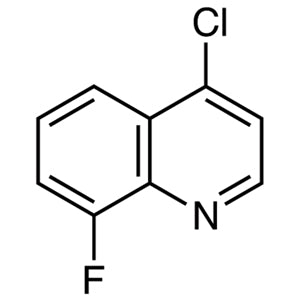
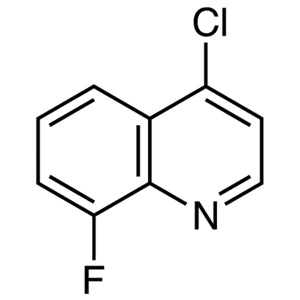
- TCI C3062 63010-72-0 4-Chloro-8-fluoroquinoline
- TCI F1185 394-68-3 8-Fluoroquinoline
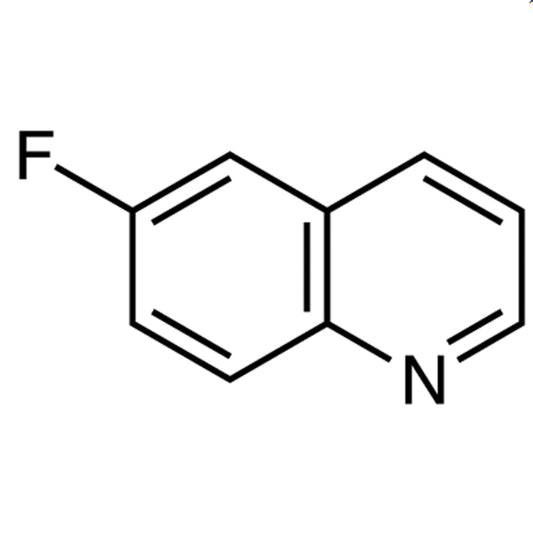
- TCI F1034 396-30-5 6-Fluoroquinoline
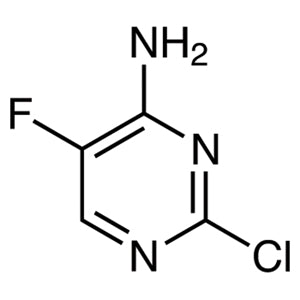
- TCI A2809 155-10-2 4-Amino-2-chloro-5-fluoropyrimidine
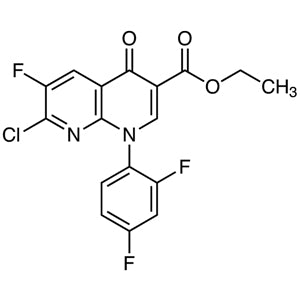
- TCI E1180 100491-29-0 Ethyl 7-Chloro-1-(2,4-difluorophenyl)-6-fluoro-4-oxo-1,4-dihydro-1,8-naphthyridine-3-carboxylate
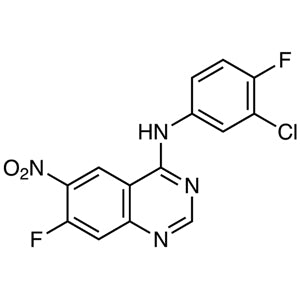
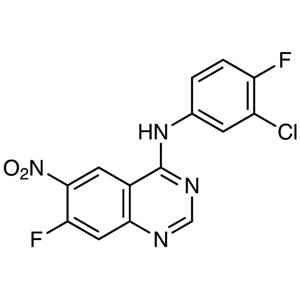
- TCI C3276 162012-67-1 N-(3-Chloro-4-fluorophenyl)-7-fluoro-6-nitro-4-quinazolinamine
- Nucleophilic aromatic substitution at C-4: the chlorine adjacent to the ring nitrogen is activated towards displacement, allowing amines, alkoxides, or thiolates to be introduced under relatively simple reaction conditions.
- Metal-catalysed cross-coupling: the reactive chlorine position provides a handle for catalytic coupling chemistry, letting researchers build substituted quinoline derivatives efficiently from a single common starting material.
- Medicinal chemistry scaffold construction: the quinoline core is a structural motif frequently found in bioactive compounds, making this material a practical entry point for candidate molecule design.
- Fluorinated analogue preparation: the benzene-ring fluorine is inert under substitution conditions and remains in the product, so it reliably delivers a fluorine atom into the final target structure.
- Multi-step synthetic route development: the clear reactivity difference between the two halogens gives predictable, selective control over bond formation, which simplifies planning of sequential functionalisation steps.
| Brand | TCI |
|---|---|
| CAS number | 391-77-5 |
| Molecular formula | — |
| Purity | — |
| Category | Chemistry > Building Blocks > Fluorinated Building Blocks |
| Pack sizes | available in the pack sizes offered by the manufacturer for this catalogue item |
| Physical form | — |
| Storage | keep in the tightly closed original container as indicated on the manufacturer's label |
- Product code: C2989
- Chemical name: 4-Chloro-6-fluoroquinoline
Store the material in its original, tightly closed container in a cool, dry, and well-ventilated place, away from direct sunlight, moisture, and sources of ignition or heat. Keep it separated from strong oxidising agents and from the nucleophilic reagents used in substitution work. Follow the storage conditions stated on the manufacturer's label and safety data sheet, as these take precedence. Handle the compound in a fume hood using appropriate personal protective equipment, including safety goggles, chemical-resistant gloves, and a laboratory coat. Weigh and transfer it with clean, dry glassware or spatulas to avoid contamination, close the container promptly after use, and dispose of residues and contaminated materials in accordance with applicable chemical waste procedures.
—
Produk Terkait
-
4-Chloro-8-fluoroquinoline TCI C3062
Regular price From Rp 1.961.400,00Regular price -
8-Fluoroquinoline TCI F1185
Regular price From Rp 875.700,00Regular price -
6-Fluoroquinoline TCI F1034
Regular price From Rp 1.378.650,00Regular price -
4-Amino-2-chloro-5-fluoropyrimidine TCI A2809
Regular price From Rp 1.749.300,00Regular price -
Ethyl7-Chloro-1-(2,4-difluorophenyl)-6-fluoro-4-oxo-1,4-dihydro-1,8-naphthyridine-3-carboxylate TCI E1180
Regular price From Rp 875.700,00Regular price -
N-(3-Chloro-4-fluorophenyl)-7-fluoro-6-nitro-4-quinazolinamine TCI C3276
Regular price From Rp 1.246.350,00Regular price -
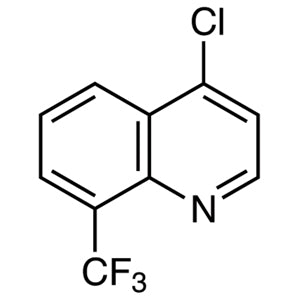
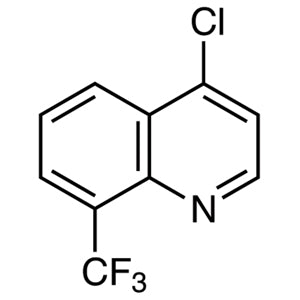
4-Chloro-8-(trifluoromethyl)quinoline TCI C3067
Regular price From Rp 2.969.400,00Regular price -
4-[3-Chloro-4-(3-fluorobenzyloxy)phenylamino]-6-iodoquinazoline TCI C2965
Regular price From Rp 743.400,00Regular price


![4-[3-Chloro-4-(3-fluorobenzyloxy)phenylamino]-6-iodoquinazoline (CAS 231278-20-9) - TCI C2965 - AMI Scientific](http://amiscientific.com/cdn/shop/files/TCI2510C2965.jpg?v=1767099034&width=533)