Ethyl 7-Chloro-1-(2,4-difluorophenyl)-6-fluoro-4-oxo-1,4-dihydro-1,8-naphthyridine-3-carboxylate is a complex organic compound widely used in synthetic chemistry. It serves as a key building block in the development of heterocyclic compounds, which are essential in pharmaceutical and industrial applications. This compound is particularly valuable for its ability to participate in various chemical reactions, making it a versatile tool for researchers working on drug discovery and material science. Its molecular structure includes multiple functional groups, including chlorine and fluorine atoms, which contribute to its reactivity and stability.
The compound’s fluorinated structure provides unique chemical properties that enhance its stability and reactivity. These characteristics make it an ideal candidate for substitution reactions, hydrolysis, and other synthetic transformations. The presence of both chlorine and fluorine atoms allows for a wide range of chemical modifications, which is crucial in the design of bioactive molecules. Its compatibility with various reagents and solvents further expands its utility in laboratory settings. This combination of structural complexity and functional versatility makes it a preferred choice for advanced chemical synthesis.
In Indonesian laboratories, this compound is commonly used by chemists, pharmacologists, and material scientists for the synthesis and characterization of new compounds. Its application spans across research areas such as drug development, polymer chemistry, and functional material design. The compound’s role in creating bioactive heterocyclic structures makes it a valuable resource for researchers aiming to explore new chemical pathways and biological activities.
TCI brochures (PDF)
- Fluorination Reagents, Fluorinated Building Blocks 2026-03-18 · p. 31
Related TCI products
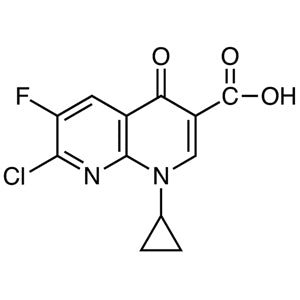
- TCI C2650 100361-18-0 7-Chloro-1-cyclopropyl-6-fluoro-1,4-dihydro-4-oxo-1,8-naphthyridine-3-carboxylic Acid
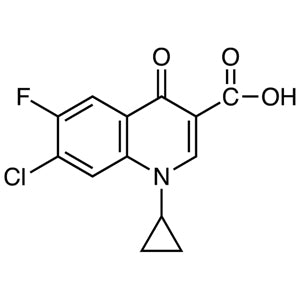
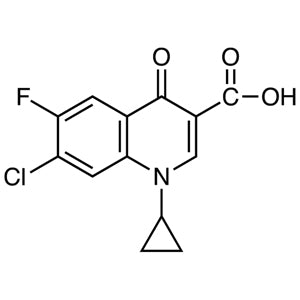
- TCI C2293 86393-33-1 7-Chloro-1-cyclopropyl-6-fluoro-1,4-dihydro-4-oxoquinoline-3-carboxylic Acid
- TCI B6777 1402232-95-4 tert-Butyl 5'-Fluoro-1',4'-dihydro-2'H-spiro[piperidine-4,3'-quinoline]-1-carboxylate
- TCI B6776 1402232-83-0 tert-Butyl 7'-Fluoro-1',4'-dihydro-2'H-spiro[piperidine-4,3'-quinoline]-1-carboxylate
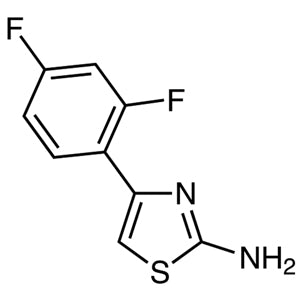
- TCI A3029 105512-80-9 2-Amino-4-(2,4-difluorophenyl)thiazole
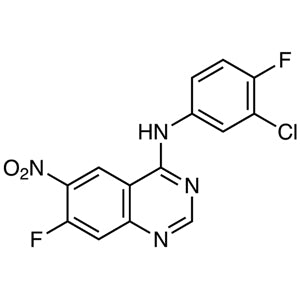
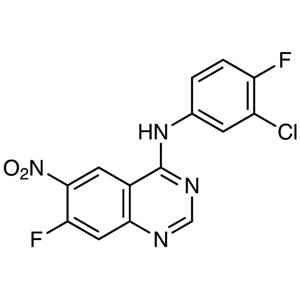
- TCI C3276 162012-67-1 N-(3-Chloro-4-fluorophenyl)-7-fluoro-6-nitro-4-quinazolinamine
- Organic synthesis of heterocyclic compounds due to its complex molecular structure and reactivity.
- Drug development research as a building block for creating bioactive molecules with pharmaceutical potential.
- Material science applications for the synthesis of functional polymers and advanced materials.
- Chemical characterization studies to analyze the behavior of fluorinated compounds in different reaction conditions.
- Research in medicinal chemistry for the design of novel therapeutic agents with improved pharmacological properties.
| Brand | TCI |
|---|---|
| CAS number | 100491-29-0 |
| Molecular formula | — |
| Purity | — |
| Category | Chemistry > Building Blocks > Fluorinated Building Blocks |
| Pack sizes | Available in standard laboratory quantities as per supplier specifications |
| Physical form | Solid, crystalline powder |
| Storage | Store in a cool, dry place away from light and moisture |
This compound should be stored in a cool, dry environment, away from direct sunlight and sources of heat. It is recommended to use airtight containers to prevent moisture absorption and maintain its chemical integrity. Due to its fluorinated nature, it is important to handle it with care, ensuring proper ventilation in the laboratory. Avoid contact with incompatible substances such as strong oxidizing agents. Always wear appropriate personal protective equipment, including gloves and safety goggles, when handling this material. Regular monitoring of storage conditions is advised to ensure the compound remains stable and suitable for use in chemical experiments.
—
Product Categories
Produk Terkait
-
7-Chloro-1-cyclopropyl-6-fluoro-1,4-dihydro-4-oxo-1,8-naphthyridine-3-carboxylicAcid TCI C2650
Regular price From Rp 664.650,00Regular price -
7-Chloro-1-cyclopropyl-6-fluoro-1,4-dihydro-4-oxoquinoline-3-carboxylicAcid TCI C2293
Regular price From Rp 477.750,00Regular price -
tert-Butyl5'-Fluoro-1',4'-dihydro-2'H-spiro[piperidine-4,3'-quinoline]-1-carboxylate TCI B6777
Regular price Rp 7.182.000,00Regular price -
tert-Butyl7'-Fluoro-1',4'-dihydro-2'H-spiro[piperidine-4,3'-quinoline]-1-carboxylate TCI B6776
Regular price Rp 7.182.000,00Regular price -
2-Amino-4-(2,4-difluorophenyl)thiazole TCI A3029
Regular price From Rp 875.700,00Regular price -
N-(3-Chloro-4-fluorophenyl)-7-fluoro-6-nitro-4-quinazolinamine TCI C3276
Regular price From Rp 1.246.350,00Regular price -
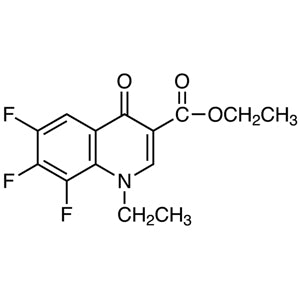
Ethyl1-Ethyl-6,7,8-trifluoro-1,4-dihydro-4-oxo-3-quinolinecarboxylate TCI E0888
Regular price From Rp 1.326.150,00Regular price -
1-Cyclopropyl-6,7-difluoro-1,4-dihydro-4-oxoquinoline-3-carboxylicAcid TCI C2779
Regular price Rp 1.035.300,00Regular price
![tert-Butyl 5'-Fluoro-1',4'-dihydro-2'H-spiro[piperidine-4,3'-quinoline]-1-carboxylate (CAS 1402232-95-4) - TCI B6777 - AMI Scientific](http://amiscientific.com/cdn/shop/files/TCI2510B6777.jpg?v=1768816103&width=533)
![tert-Butyl 7'-Fluoro-1',4'-dihydro-2'H-spiro[piperidine-4,3'-quinoline]-1-carboxylate (CAS 1402232-83-0) - TCI B6776 - AMI Scientific](http://amiscientific.com/cdn/shop/files/TCI2510B6776.jpg?v=1771058548&width=533)