


Ethyl 1-Ethyl-6,7,8-trifluoro-1,4-dihydro-4-oxo-3-quinolinecarboxylate is a complex chemical compound widely used in synthetic reactions within laboratory settings. This fluorinated building block plays a crucial role in the development of organic compounds with specific properties. Its molecular structure incorporates fluorine atoms, which significantly influence its chemical behavior and reactivity. Due to its unique composition, it is a valuable resource for researchers aiming to create new compounds with tailored characteristics.
The compound's high reactivity and polarity make it a preferred choice for various chemical applications. The presence of fluorine atoms enhances its stability and reactivity, allowing it to participate in substitution reactions and bond-forming processes. Additionally, the carboxylate group contributes to its versatility, enabling participation in multiple important chemical reactions. These properties make it a sought-after material in organic chemistry and compound synthesis.
In Indonesian laboratories, this compound is frequently used in organic chemistry research, particularly in pharmacology and the synthesis of bioactive compounds. Researchers rely on it as a key starting material for developing new substances with potential applications in medicine and other scientific fields. Its availability and chemical properties make it a valuable asset in both academic and industrial research settings.
TCI brochures (PDF)
- Fluorination Reagents, Fluorinated Building Blocks 2026-03-18 · p. 49
Related TCI products
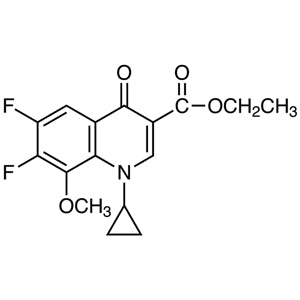
- TCI E1147 112811-71-9 Ethyl 1-Cyclopropyl-6,7-difluoro-1,4-dihydro-8-methoxy-4-oxo-3-quinolinecarboxylate
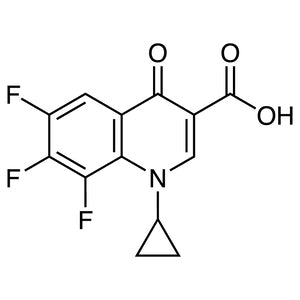
- TCI C4052 94695-52-0 1-Cyclopropyl-6,7,8-trifluoro-4-oxo-1,4-dihydroquinoline-3-carboxylic Acid
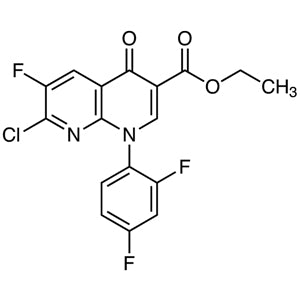
- TCI E1180 100491-29-0 Ethyl 7-Chloro-1-(2,4-difluorophenyl)-6-fluoro-4-oxo-1,4-dihydro-1,8-naphthyridine-3-carboxylate
- TCI C2779 93107-30-3 1-Cyclopropyl-6,7-difluoro-1,4-dihydro-4-oxoquinoline-3-carboxylic Acid
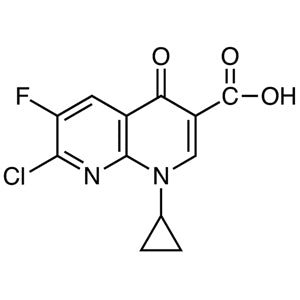
- TCI C2650 100361-18-0 7-Chloro-1-cyclopropyl-6-fluoro-1,4-dihydro-4-oxo-1,8-naphthyridine-3-carboxylic Acid
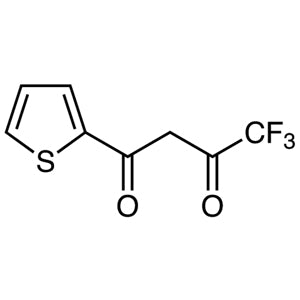
- TCI T0438 326-91-0 4,4,4-Trifluoro-1-(2-thienyl)-1,3-butanedione
- Organic synthesis projects benefit from this compound due to its reactivity and fluorinated structure, enabling the creation of complex molecules with desired properties.
- Pharmaceutical research utilizes it as a building block for developing bioactive compounds, leveraging its stability and reactivity in synthetic pathways.
- Fluorinated compound studies rely on this material to explore the effects of fluorine substitution on molecular behavior and reactivity.
- Academic research in chemistry often incorporates it for teaching and experimental purposes, demonstrating its role in synthetic chemistry.
- Drug discovery initiatives use it to synthesize novel compounds with potential therapeutic applications, supporting innovation in medicinal chemistry.
| Brand | TCI |
|---|---|
| CAS number | 100501-62-0 |
| Molecular formula | — |
| Purity | — |
| Category | Chemistry > Building Blocks > Fluorinated Building Blocks |
| Pack sizes | As per supplier specifications |
| Physical form | Solid (as per standard product description) |
| Storage | Store in a cool, dry place away from light and moisture |
This compound should be stored in a cool, dry environment, away from direct light and moisture to maintain its chemical integrity. It is recommended to use airtight containers to prevent exposure to air and moisture, which could affect its stability. Due to its reactivity, it should be handled with appropriate personal protective equipment, such as gloves and safety goggles, to ensure laboratory safety. While it is not classified as a hazardous material under standard conditions, proper ventilation is advised during handling. The compound should not be stored near incompatible substances to prevent any potential chemical interactions. Always follow standard laboratory safety protocols when working with fluorinated compounds.
—
Product Categories
Produk Terkait
-
Ethyl1-Cyclopropyl-6,7-difluoro-1,4-dihydro-8-methoxy-4-oxo-3-quinolinecarboxylate TCI E1147
Regular price From Rp 505.050,00Regular price -
1-Cyclopropyl-6,7,8-trifluoro-4-oxo-1,4-dihydroquinoline-3-carboxylicAcid TCI C4052
Regular price From Rp 1.458.450,00Regular price -
Ethyl7-Chloro-1-(2,4-difluorophenyl)-6-fluoro-4-oxo-1,4-dihydro-1,8-naphthyridine-3-carboxylate TCI E1180
Regular price From Rp 875.700,00Regular price -
1-Cyclopropyl-6,7-difluoro-1,4-dihydro-4-oxoquinoline-3-carboxylicAcid TCI C2779
Regular price Rp 1.035.300,00Regular price -
7-Chloro-1-cyclopropyl-6-fluoro-1,4-dihydro-4-oxo-1,8-naphthyridine-3-carboxylicAcid TCI C2650
Regular price From Rp 664.650,00Regular price -
4,4,4-Trifluoro-1-(2-thienyl)-1,3-butanedione TCI T0438
Regular price From Rp 1.565.550,00Regular price -
2-Phenyl-5-(trifluoromethyl)-2,4-dihydro-3H-pyrazol-3-one TCI P3118
Regular price Rp 743.400,00Regular price -
9,10-Difluoro-2,3-dihydro-3-methyl-7-oxo-7H-pyrido[1,2,3-de]-1,4-benzoxazine-6-carboxylicAcid TCI O0404
Regular price From Rp 2.545.200,00Regular price


![82419-35-0 9,10-Difluoro-2,3-dihydro-3-methyl-7-oxo-7H-pyrido[1,2,3-de]-1,4-benzoxazine-6-carboxylic Acid - AMI Scientific](http://amiscientific.com/cdn/shop/files/TCI2510O0404.jpg?v=1767131869&width=533)