4,4,4-Trifluoro-1-(2-thienyl)-1,3-butanedione is a specialized chemical compound used as a building block in the synthesis of complex organic molecules. This compound plays a crucial role in laboratory settings where researchers aim to develop new materials, pharmaceuticals, or functional chemicals. Its unique molecular structure, featuring three fluorine atoms attached to a carbon backbone, makes it an essential tool for creating compounds with tailored reactivity and functional group compatibility. Due to its versatility, it is widely used in both academic and industrial research environments.
The compound’s fluorinated structure and presence of a thienyl group contribute to its high reactivity and ability to participate in various chemical reactions, such as nucleophilic and electrophilic substitutions. These properties make it particularly valuable for synthesizing heterocyclic compounds and organofluorine derivatives. Its stability under controlled conditions also enhances its usability in laboratory applications, allowing for reliable and reproducible results. This combination of reactivity and stability ensures that it remains a preferred choice for chemists working on advanced synthetic routes.
In Indonesian laboratories, this compound is commonly used in research focused on organic synthesis, drug development, and materials science. Its availability through suppliers like AMI Scientific ensures that local researchers have access to high-quality reagents for their experiments. The compound’s role in creating complex chemical structures makes it an indispensable resource for those working in advanced chemical research. Its consistent performance and reliability further support its widespread use in various scientific fields.
TCI brochures (PDF)
- Metal Extractants for Lithium Ion Battery Recycling 2024-01-16 · p. 1
- Thiophenes 2026-06-29 · p. 8
- Ligands 2025-12-01 · p. 18
Related TCI products
- TCI T3283 15191-68-1 4,4,4-Trifluoro-1-(4-methoxyphenyl)-1,3-butanedione
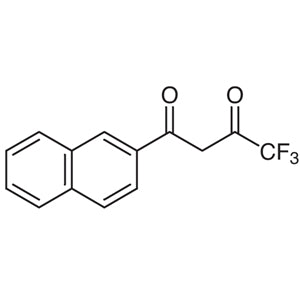
- TCI T1583 893-33-4 4,4,4-Trifluoro-1-(2-naphthyl)-1,3-butanedione
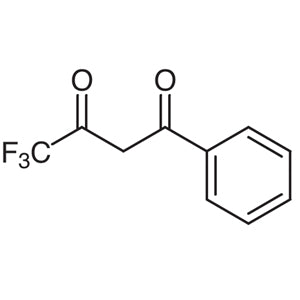
- TCI T0437 326-06-7 4,4,4-Trifluoro-1-phenyl-1,3-butanedione
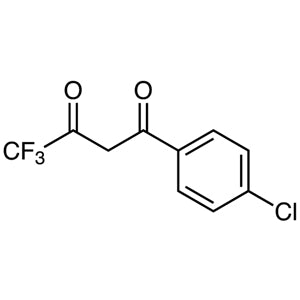
- TCI C3139 18931-60-7 1-(4-Chlorophenyl)-4,4,4-trifluoro-1,3-butanedione
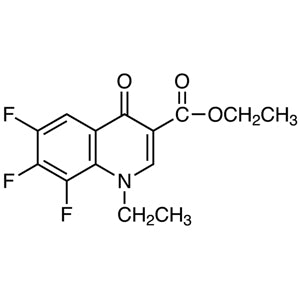
- TCI E0888 100501-62-0 Ethyl 1-Ethyl-6,7,8-trifluoro-1,4-dihydro-4-oxo-3-quinolinecarboxylate
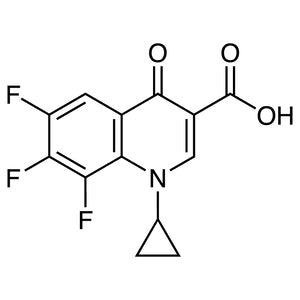
- TCI C4052 94695-52-0 1-Cyclopropyl-6,7,8-trifluoro-4-oxo-1,4-dihydroquinoline-3-carboxylic Acid
- Organic synthesis: This compound is widely used in the synthesis of complex organic molecules due to its reactivity and structural versatility.
- Drug development: It serves as a key intermediate in the creation of pharmaceutical compounds, especially those requiring fluorinated functional groups.
- Materials science: The compound is utilized in the development of advanced materials with specific chemical and physical properties.
- Heterocyclic chemistry: Its thienyl group makes it ideal for synthesizing heterocyclic compounds with unique chemical behavior.
- Fluorinated compound research: It is a preferred building block for studying the properties and applications of organofluorine compounds.
From the TCI brochure
- Metal extractant for lithium ion battery recycling
| Brand | TCI |
|---|---|
| CAS number | 326-91-0 |
| Molecular formula | — |
| Purity | — |
| Category | Chemistry > Building Blocks > Fluorinated Building Blocks |
| Pack sizes | Available in various quantities as per supplier specifications |
| Physical form | Solid or liquid, depending on supplier packaging |
| Storage | Store in a cool, dry place away from light and moisture |
Data from the TCI brochure
| Ukuran kemasan | 25g / 500g |
|---|
Source: TCI brochure FF164 (2024-01-16)
This compound should be stored in a cool, dry place, away from direct light and moisture to maintain its stability and prevent degradation. It is recommended to use suitable containers such as glass or high-density polyethylene to minimize chemical interactions. Due to its reactivity, it should be handled with care in a well-ventilated laboratory environment. Proper personal protective equipment, including gloves and safety goggles, should be worn during handling. The compound should not be exposed to incompatible substances, and all safety protocols should be followed to ensure safe laboratory practices.
—
Produk Terkait
-
4,4,4-Trifluoro-1-(4-methoxyphenyl)-1,3-butanedione TCI T3283
Regular price From Rp 2.411.850,00Regular priceRp 1.702.050,00Sale price From Rp 2.411.850,00 -
4,4,4-Trifluoro-1-(2-naphthyl)-1,3-butanedione TCI T1583
Regular price From Rp 1.113.000,00Regular priceRp 793.800,00Sale price From Rp 1.113.000,00 -
4,4,4-Trifluoro-1-phenyl-1,3-butanedione TCI T0437
Regular price Rp 2.702.700,00Regular priceRp 1.905.750,00Sale price Rp 2.702.700,00 -
1-(4-Chlorophenyl)-4,4,4-trifluoro-1,3-butanedione TCI C3139
Regular price From Rp 875.700,00Regular priceRp 627.900,00Sale price From Rp 875.700,00 -
Ethyl1-Ethyl-6,7,8-trifluoro-1,4-dihydro-4-oxo-3-quinolinecarboxylate TCI E0888
Regular price From Rp 1.378.650,00Regular priceRp 979.650,00Sale price From Rp 1.378.650,00 -
1-Cyclopropyl-6,7,8-trifluoro-4-oxo-1,4-dihydroquinoline-3-carboxylicAcid TCI C4052
Regular price From Rp 1.510.950,00Regular priceRp 1.072.050,00Sale price From Rp 1.510.950,00 -
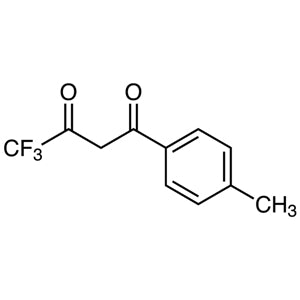
4,4,4-Trifluoro-1-(p-tolyl)-1,3-butanedione TCI T2997
Regular price From Rp 822.150,00Regular priceRp 590.100,00Sale price From Rp 822.150,00 -
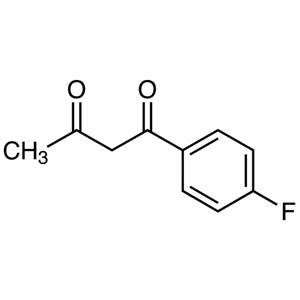
1-(4-Fluorophenyl)-1,3-butanedione TCI F0996
Regular price Rp 1.881.600,00Regular priceRp 1.331.400,00Sale price Rp 1.881.600,00